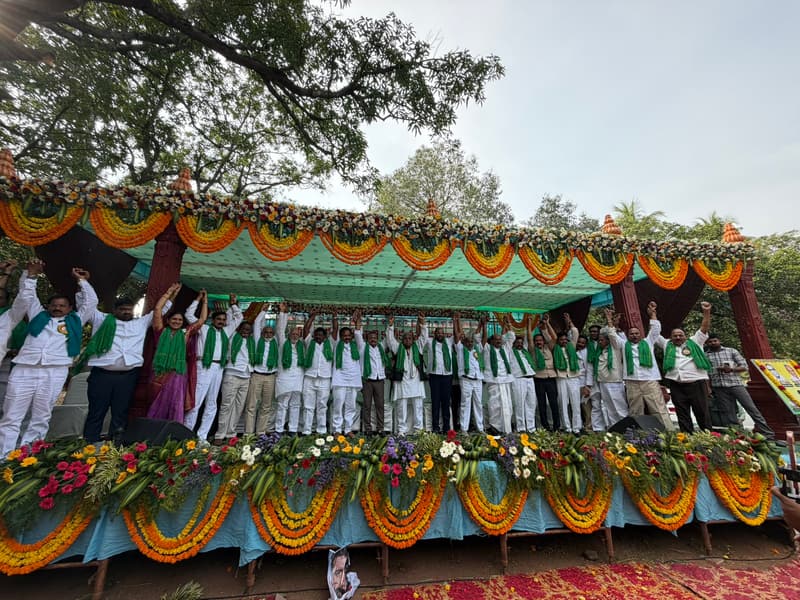
150 years of faith cannot be rewritten: Tamil Nadu defends Karthigai Deepam tradition in Supreme Court
The Tamil Nadu government has strongly defended the centuries-old religious practices associated with the Karthigai Deepam festival at the Thirupparankundram Murugan Temple in Madurai, opposing attempts to alter established rituals and transfer control of the temple and surrounding hill to the Archaeological Survey of India (ASI)
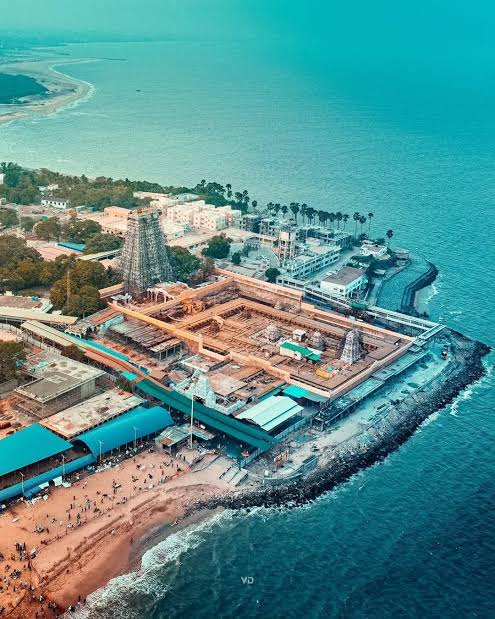
In a counter-affidavit submitted to the Supreme Court, the State's Hindu Religious and Charitable Endowments (HR&CE) Department maintained that the ceremonial lamp has been lit at the Deepa Mandapam near the Uchipillaiyar temple for more than 150 years. The government argued that the practice is rooted in established religious customs, Agamic principles and the traditions followed by the temple authorities.
The affidavit comes in response to a petition filed by Hindu Dharma Parishad, which has sought permission to maintain a continuously burning lamp at Deepathoon, a stone pillar situated higher on Thirupparankundram hill. The organisation has also demanded that the entire hill be illuminated during Karthigai Deepam and placed under ASI supervision.
Rejecting these demands, HR&CE Commissioner T.G. Vinay maintained that decisions concerning religious ceremonies must remain with the temple administration. The government cited a 1996 Madras High Court ruling governing the lighting of the ceremonial lamp, arguing that any alteration to the established arrangements requires approval from the competent temple and HR&CE authorities.
The State also raised concerns about public safety, environmental protection and communal harmony. The hill houses a Muslim dargah alongside Hindu religious sites and historically significant monuments. According to the government, expanding lamp-lighting activities across the hill could create crowd-management difficulties and potentially disturb the sensitive religious environment.
Opposing the proposed ASI takeover, Tamil Nadu argued that archaeological conservation and the administration of religious institutions serve different purposes. It referred to a 1923 civil court decree, subsequently restored by the Privy Council in 1931, to support its position on temple ownership and administrative rights. The State maintained that ASI protection applies to specified archaeological structures rather than the entire functioning religious institution.
The government further questioned the legal basis of the petition, contending that the applicants had not established a violation of fundamental rights warranting intervention under Article 32 of the Constitution.
The dispute has also involved earlier Madras High Court proceedings concerning permission to light the ceremonial lamp at Deepathoon, with the State challenging judicial directions permitting the practice.
The Supreme Court bench comprising Justices Aravind Kumar and Vipul M. Pancholi is scheduled to hear the matter on November 17. The proceedings are expected to examine competing claims involving religious customs, temple administration, judicial directions and the legal authority to determine where the ceremonial lamp may be lit.
More from Tamil Nadu

Lakhs of devotees throng Tiruchendur for grand Soorasamharam festival; 4100 Police deployed
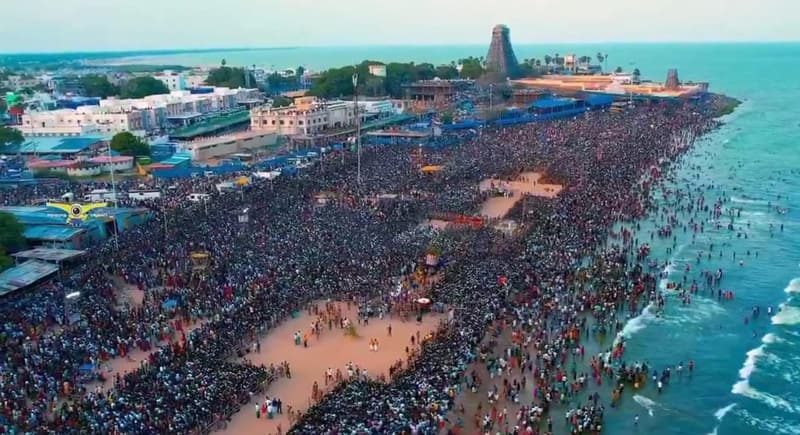
Tamil Nadu Governor Arlekar extends Kandha Sashti greetings, highlights spiritual significance of Soorasamharam
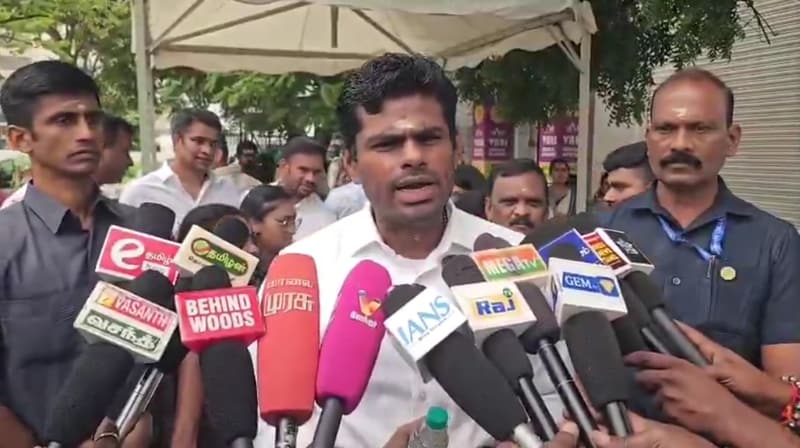
Annamalai slams Vijay Govt. over Thiruparankundram Deepam row; demands implementation of HC orders
More from Politics
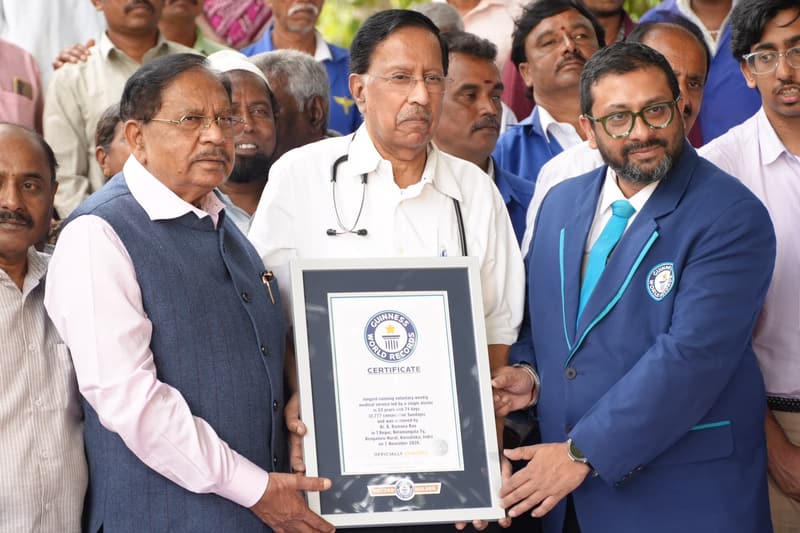
Padma Shri Dr B. Raman Rao enters Guinness World Records for treating over 33 lakh patients over 2777 Sundays
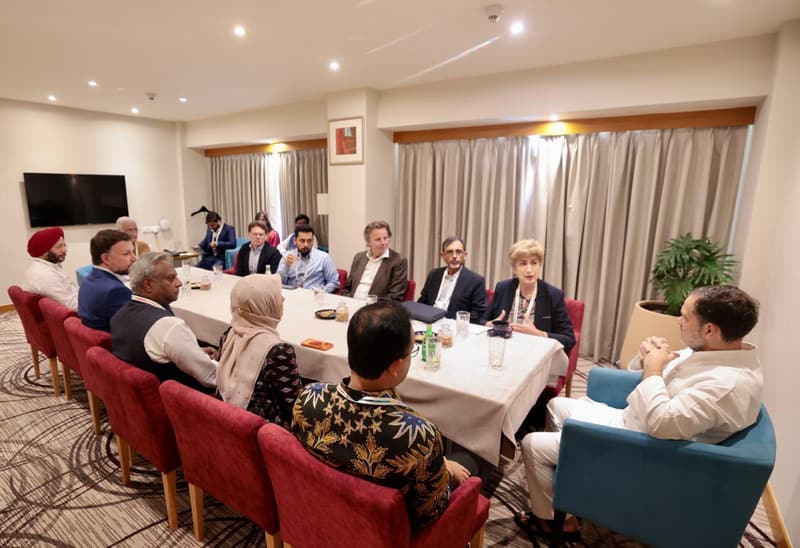
Rahul Gandhi calls for rethinking democracy and economic models amid growing influence of tech giants