₹500-crore cost gap, faulty planning: Tamil Nadu Minister flags irregularities in two major highway projects
Tamil Nadu Highways Minister Aadhav Arjuna has raised serious concerns over the planning, cost estimates and execution of two major infrastructure projects initiated under the previous government, questioning a ₹500-crore difference in the estimated cost of the East Coast Road (ECR) expressway project and deficiencies in the planning of the Anna Salai–Teynampet elevated corridor
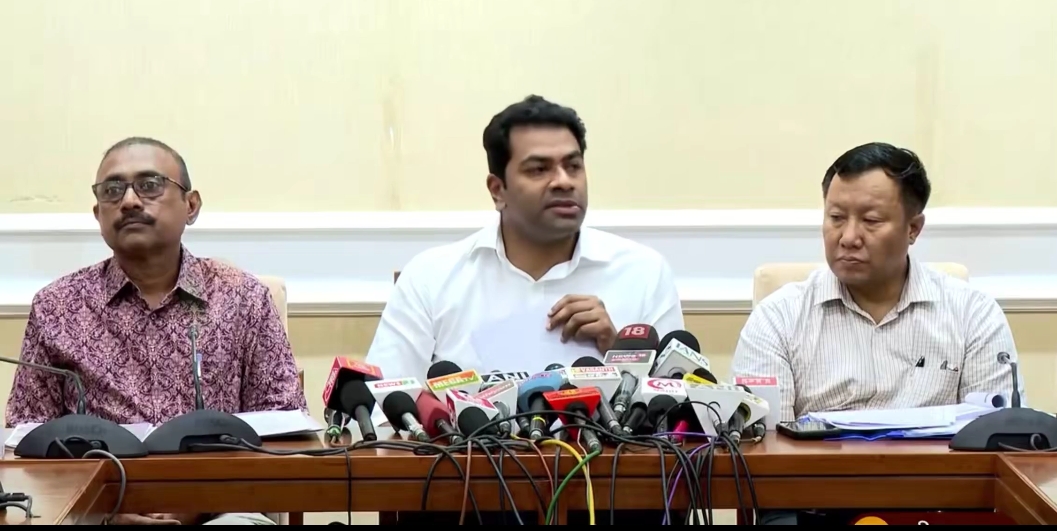
The Minister indicated that both projects would undergo corrective measures, with the ECR expressway set for a fresh Detailed Project Report (DPR) and re-tendering, while the elevated corridor would require additional financial allocations and engineering modifications.
According to Aadhav Arjuna, the ECR expressway project, for which a budget of approximately ₹2,100 crore had been prepared, should cost around ₹1,600 crore based on the latest estimates. The difference of nearly ₹500 crore has raised questions about the accuracy of the original project assessment and the financial planning undertaken by the previous administration.
The Minister said the government would proceed with the project only after preparing a fresh DPR and initiating a new tendering process. He maintained that the revised exercise would establish a more accurate project cost and provide greater clarity on the financial requirements before construction proceeds.
In another significant disclosure, Aadhav Arjuna said the Anna Salai–Teynampet elevated corridor project had been undertaken without adequate detailed project planning. He revealed that the contractor had expressed an inability to continue the work within the existing financial allocation, prompting the government to consider additional funding.
The Minister said a special allocation would be made to facilitate the completion of the elevated corridor, with April identified as the target for finishing the project.
The project has also reportedly encountered substantial engineering challenges during construction. According to earlier reports, work had progressed to nearly 50 per cent before authorities identified difficulties in constructing the originally planned central pillars along the Nandanam–Teynampet stretch.
The foundation-related complications reportedly necessitated a change in the structural design, with portal pillars being considered in place of central pillars. The modifications have required portions of the project to be redesigned, raising concerns about the adequacy of preliminary engineering investigations.
The developments have brought renewed attention to the importance of comprehensive feasibility studies, accurate cost assessments and detailed engineering plans before large public infrastructure projects are awarded.
Both the ECR expressway and the Anna Salai elevated corridor are considered important road infrastructure initiatives intended to improve connectivity and reduce traffic congestion in and around Chennai.
However, the Minister's disclosures have also opened the door to political scrutiny over decisions taken during the previous administration. The cost difference in the ECR project and the reported planning deficiencies in the elevated corridor could become subjects of further debate over accountability in public infrastructure spending.
While the Minister has identified shortcomings in the projects, the allegations do not, by themselves, establish financial misconduct. The revised DPR, tender documents and engineering assessments will be crucial in determining the actual financial implications and the reasons behind the original project estimates.
For Chennai's commuters, the immediate concern remains the timely completion of the elevated corridor and the implementation of road infrastructure projects without further delays or cost escalation.
More from Tamil Nadu

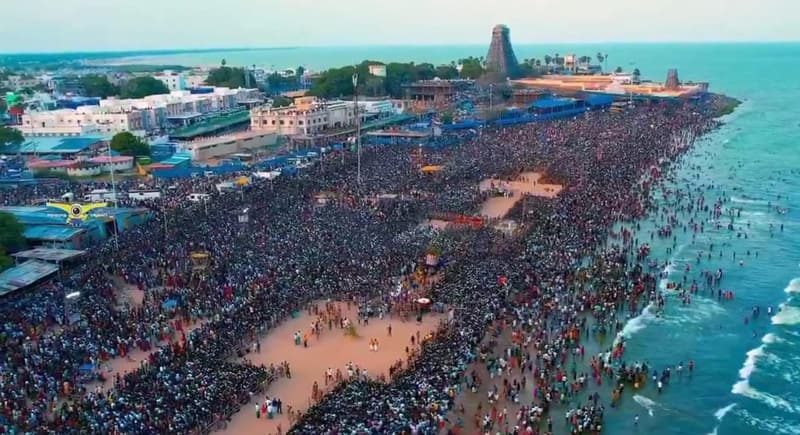
Lakhs of devotees throng Tiruchendur for grand Soorasamharam festival; 4100 Police deployed
Tamil Nadu Governor Arlekar extends Kandha Sashti greetings, highlights spiritual significance of Soorasamharam
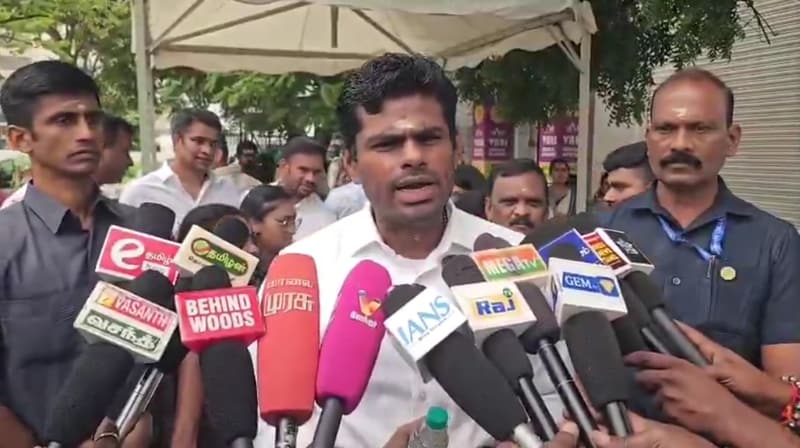
Annamalai slams Vijay Govt. over Thiruparankundram Deepam row; demands implementation of HC orders
More from Politics
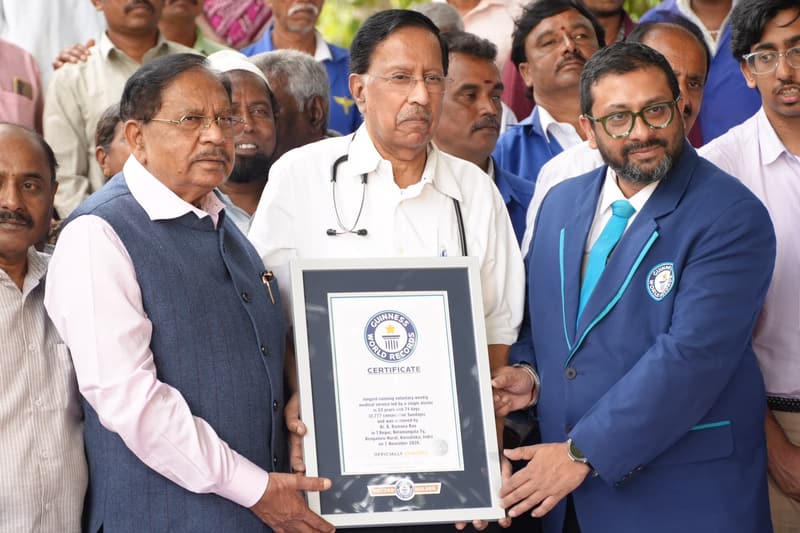
Padma Shri Dr B. Raman Rao enters Guinness World Records for treating over 33 lakh patients over 2777 Sundays
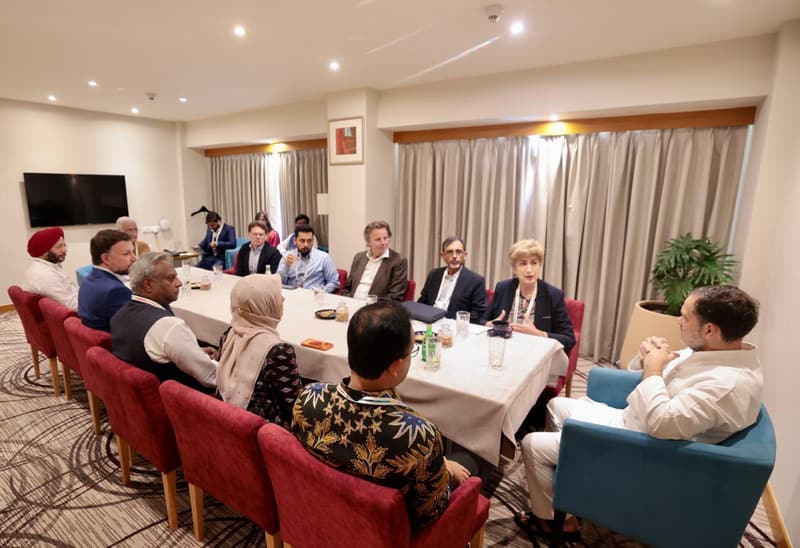
Rahul Gandhi calls for rethinking democracy and economic models amid growing influence of tech giants