AP Congress leaders head to Supreme Court to challenge Google data centre project in Visakhapatnam
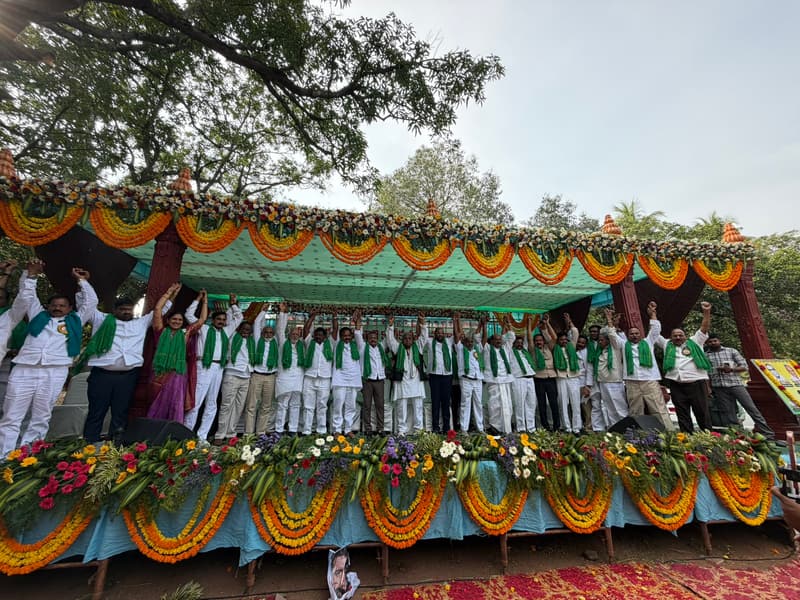
A delegation of Andhra Pradesh Congress leaders has reached New Delhi to initiate legal proceedings in the Supreme Court against the proposed Google data centre project in Visakhapatnam, challenging the decisions taken by the State's coalition government.
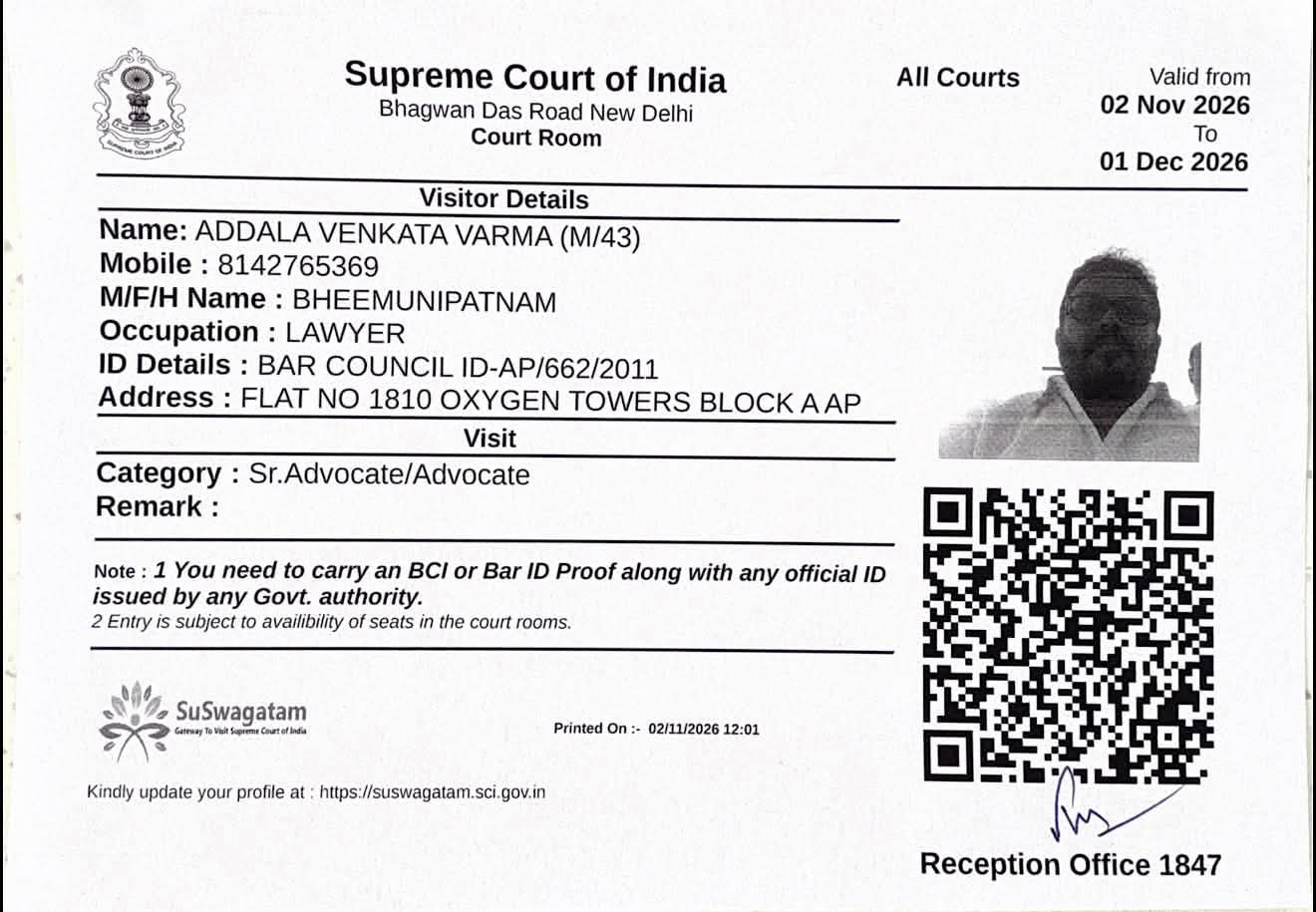
The delegation comprises Andhra Pradesh Congress Committee (APCC) vice-president Vegi Venkatesh, Visakhapatnam Congress president Hasini Varma and senior advocate Krishna. The leaders have travelled to Delhi to file a petition questioning the government's decision to facilitate the establishment of the data centre.
The Congress leaders have cited environmental concerns as the principal reason for their proposed legal challenge. They have expressed apprehensions that the large-scale infrastructure project could adversely affect the region's natural ecosystem and cause long-term environmental consequences.
One of their key concerns relates to the potential demand for water. Data centres require substantial quantities of water for cooling and other operational requirements, and the leaders fear that this could put additional pressure on local groundwater resources and affect water availability in surrounding areas.
They have also raised concerns about heat generated by the facility. According to the leaders, the heat released during data centre operations could potentially affect the local microclimate, disturb the ecological balance and contribute to higher temperatures in the surrounding areas.
The delegation said its proposed legal action was aimed at safeguarding public interest, protecting the environment and ensuring that the interests of future generations are taken into consideration while approving large infrastructure projects.
The proposed petition is expected to challenge the State government's decisions and seek judicial scrutiny of the project's environmental implications. The allegations and concerns raised by the Congress leaders are yet to be examined by the court, and the actual environmental impact would need to be assessed through relevant technical studies and regulatory evaluations.
More from Andhra Pradesh
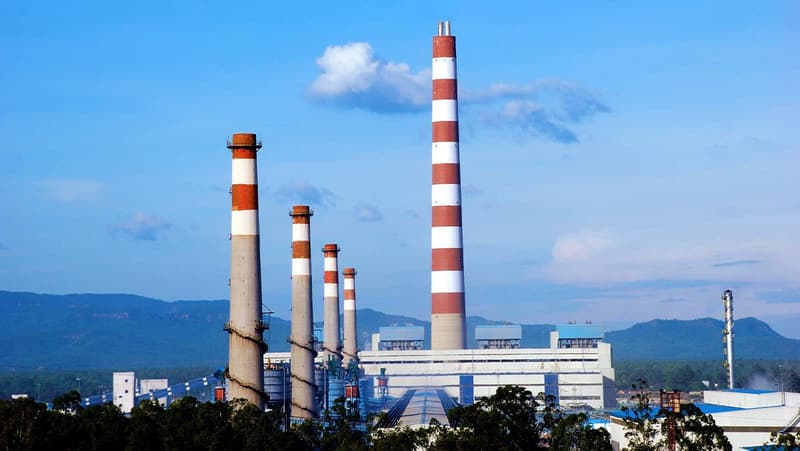
Shree Cement unveils ₹7,000 crore investment plans for three cement plants in Andhra Pradesh
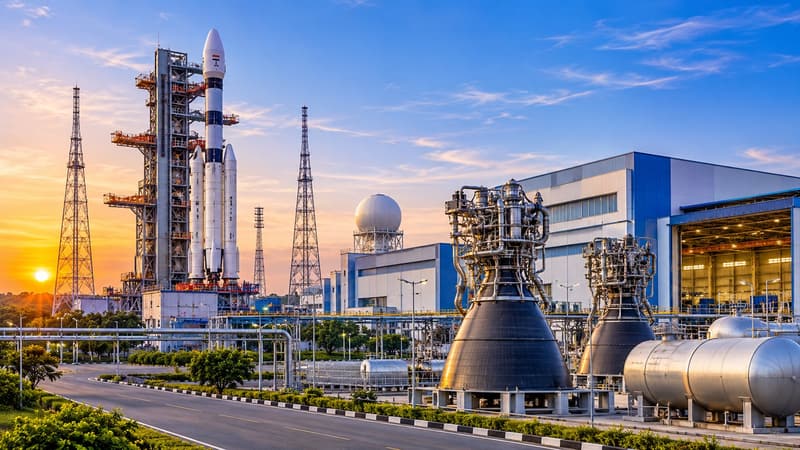
AP plans ₹25,000 crore space manufacturing ecosystem, secures major investments in rocket technology

Manchu Manoj named Andhra Yuva Sankalp 2K26 Ambassador; initiative reaches all 28 AP districts
More from Politics
Padma Shri Dr B. Raman Rao enters Guinness World Records for treating over 33 lakh patients over 2777 Sundays
Rahul Gandhi calls for rethinking democracy and economic models amid growing influence of tech giants