Bengaluru leads major Indian cities in comfortable weather; records 181 days between 20°C and 30°C
Bengaluru has emerged as a standout among major Indian cities for moderate weather, recording 181 days with maximum temperatures between 20°C and 30°C, according to a climate analysis based on India Meteorological Department (IMD) data.
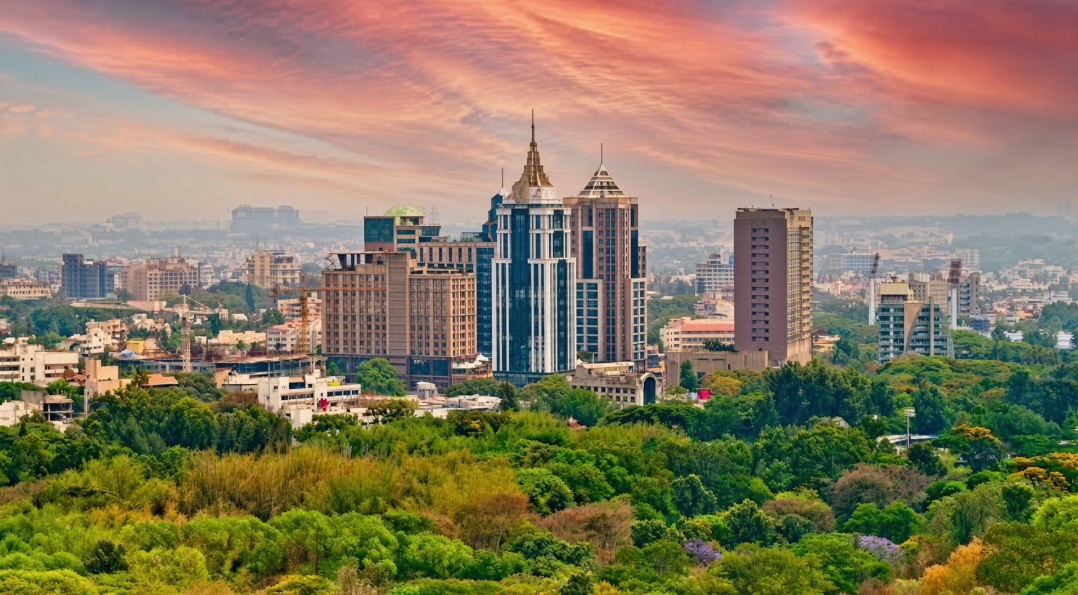
The comparison places Bengaluru well ahead of other major urban centres, highlighting the Karnataka capital’s relatively temperate conditions. Pune ranked second with 132 comfortable days, followed by Delhi with 115 and Kolkata with 103.
Hyderabad recorded 90 days in the same temperature range, while Mumbai registered 56 and Chennai 32.
Bengaluru’s elevation is considered a key factor behind its relatively moderate temperatures. Situated approximately 900 metres above sea level on the Deccan Plateau, the city generally experiences cooler conditions than many low-lying coastal cities and the northern plains.
Its elevation and geographical setting contribute to less intense daytime heat during several periods of the year. Seasonal winds and local weather patterns also influence temperatures, making the city known for its comparatively pleasant climate.
However, Bengaluru’s weather is not uniformly moderate throughout the year. Summer heat, changing rainfall patterns and rising urban temperatures can affect comfort levels across seasons.
Pune, which recorded 132 days within the specified temperature range, also benefits from its elevated location in the western Deccan region. Delhi followed with 115 days, while Kolkata recorded 103.
The figures for Hyderabad, Mumbai and Chennai underline the differences in climatic conditions across India's major cities. Coastal humidity, seasonal heat and regional weather patterns can influence how often maximum temperatures remain within the 20°C–30°C range.
Despite Bengaluru’s climatic advantage, rapid urbanisation is placing increasing pressure on its local environment. The expansion of built-up areas, loss of green cover and changes in land use can influence local temperatures and reduce the cooling benefits associated with vegetation.
Preserving green spaces, protecting lakes, improving urban planning and expanding tree cover will be important to maintaining the city’s environmental resilience.
The comparison offers a useful snapshot of temperature patterns, although the number of comfortable days alone does not fully measure weather comfort. Humidity, rainfall, nighttime temperatures, wind and the period covered by the analysis also influence how residents experience a city’s climate.
More from Karnataka

Padma Shri Dr B. Raman Rao enters Guinness World Records for treating over 33 lakh patients over 2777 Sundays

Karnataka CM Shivakumar inaugurates community hall with modern gym, badminton court in Bengaluru

BDA Chairman N.A. Haris joins citizens in Bengaluru Park cleanliness drive, calls for a green movement
More from Environment

NHAI begins survey for 43-km elevated corridor to Srisailam; night travel could become possible

Cyberabad Police plan one-way traffic loop to ease congestion in Hyderabad’s IT corridor near IKEA junction