Bengaluru Metro’s proposed 215-km Phase 4 plan focuses on suburbs; core city corridors await priority
Bengaluru Metro’s proposed 215-km Phase 4 expansion is focused largely on extending connectivity towards the city’s outskirts, while several corridors intended to address congestion within the core city remain outside the current priority list. The routes are still at the proposal stage and have not been finalised or approved.
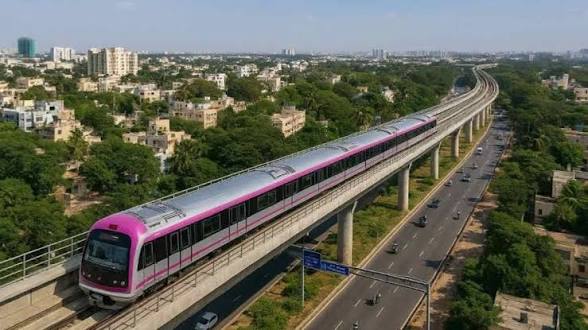
The proposed network includes extensions towards Tumakuru, Kadabagere, Bidadi, Harohalli, Anekal, Attibele, Sarjapur Road, Kadugodi Tree Park, Hoskote and Devanahalli. The plan is expected to improve connectivity between Bengaluru and its expanding suburban areas.
However, several proposed corridors within the Greater Bengaluru Authority limits have yet to feature on the priority list. These include the fully underground Inner Ring Metro corridor, Hosakerehalli–Marathahalli, Nagawara–Aerospace Park and Kogilu Cross–Rajanukunte.
The Inner Ring Metro corridor, which was included in Bengaluru’s Comprehensive Mobility Plan in 2020, was envisaged as a link between the central business district, congested neighbourhoods and existing or proposed radial Metro lines.
Ashish Verma, professor at the Indian Institute of Science’s Sustainable Transportation Lab, questioned the emphasis on suburban expansion while congestion in the core city remains a major concern. He argued that an underground Metro connecting radial lines could help ease traffic pressure and improve passenger movement.
Verma also questioned the relative priority given to tunnel roads and elevated corridors, arguing that underground Metro infrastructure could carry significantly more passengers and deliver long-term benefits.
Meanwhile, Rajkumar Dugar, founder of the citizens’ group Citizens for Citizens, questioned the viability of extending Metro services to Tumakuru. He argued that suburban rail using existing Indian Railways tracks could provide a cheaper and less disruptive alternative, potentially reducing the need for prolonged construction along highways.
A senior Bangalore Metro Rail Corporation Limited (BMRCL) official said the Phase 4 corridors had not yet been finalised or approved. The official noted that the Inner Ring Metro would be expensive because it would run entirely underground, while discussions on the proposed Tumakuru Metro project were continuing under a possible public-private partnership model.
The official also pointed to the proposed Hebbal–Sarjapur Road corridor, which is awaiting final approval from the Centre, as a project that could improve connectivity across parts of the core city.
The competing priorities highlight the challenge facing Bengaluru’s transport planners: balancing future suburban growth with the urgent need to ease congestion in established parts of the city.
More from Karnataka
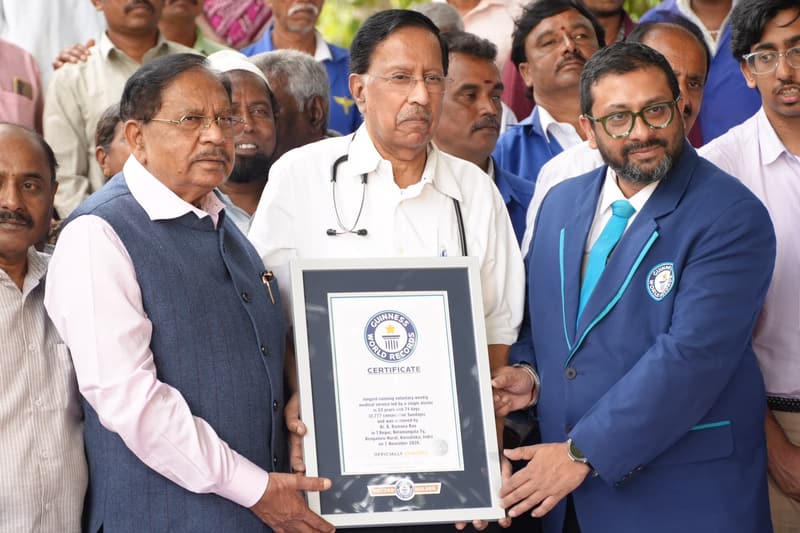
Padma Shri Dr B. Raman Rao enters Guinness World Records for treating over 33 lakh patients over 2777 Sundays
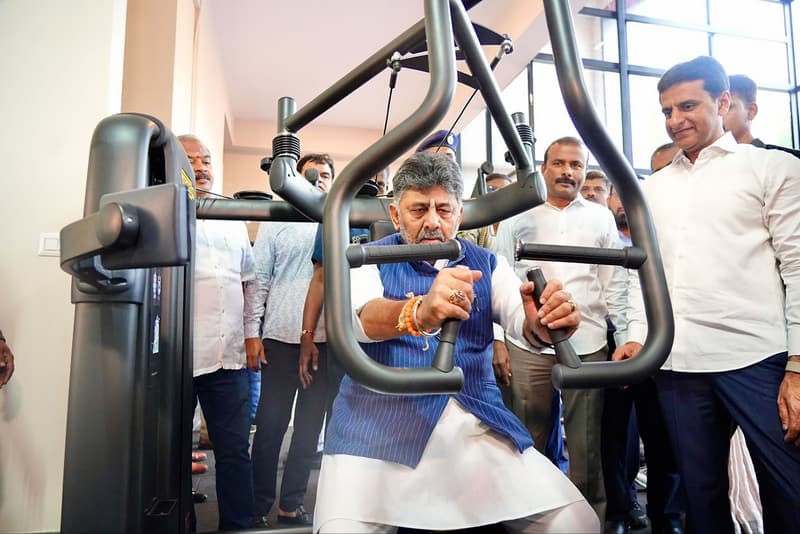
Karnataka CM Shivakumar inaugurates community hall with modern gym, badminton court in Bengaluru
BDA Chairman N.A. Haris joins citizens in Bengaluru Park cleanliness drive, calls for a green movement
More from Environment
NHAI begins survey for 43-km elevated corridor to Srisailam; night travel could become possible
Cyberabad Police plan one-way traffic loop to ease congestion in Hyderabad’s IT corridor near IKEA junction