BJP Corporator Akula Srivani raises questions over Siri’s response to Indian greetings
BJP corporator Akula Srivani has raised a question about the way Apple’s Siri responds to commonly used Indian greetings, after she said the voice assistant responded to “As-salaam alaikum” but did not respond in the same manner to phrases such as “Ram Ram”, “Radhe Radhe” and “Jai Shri Ram”.
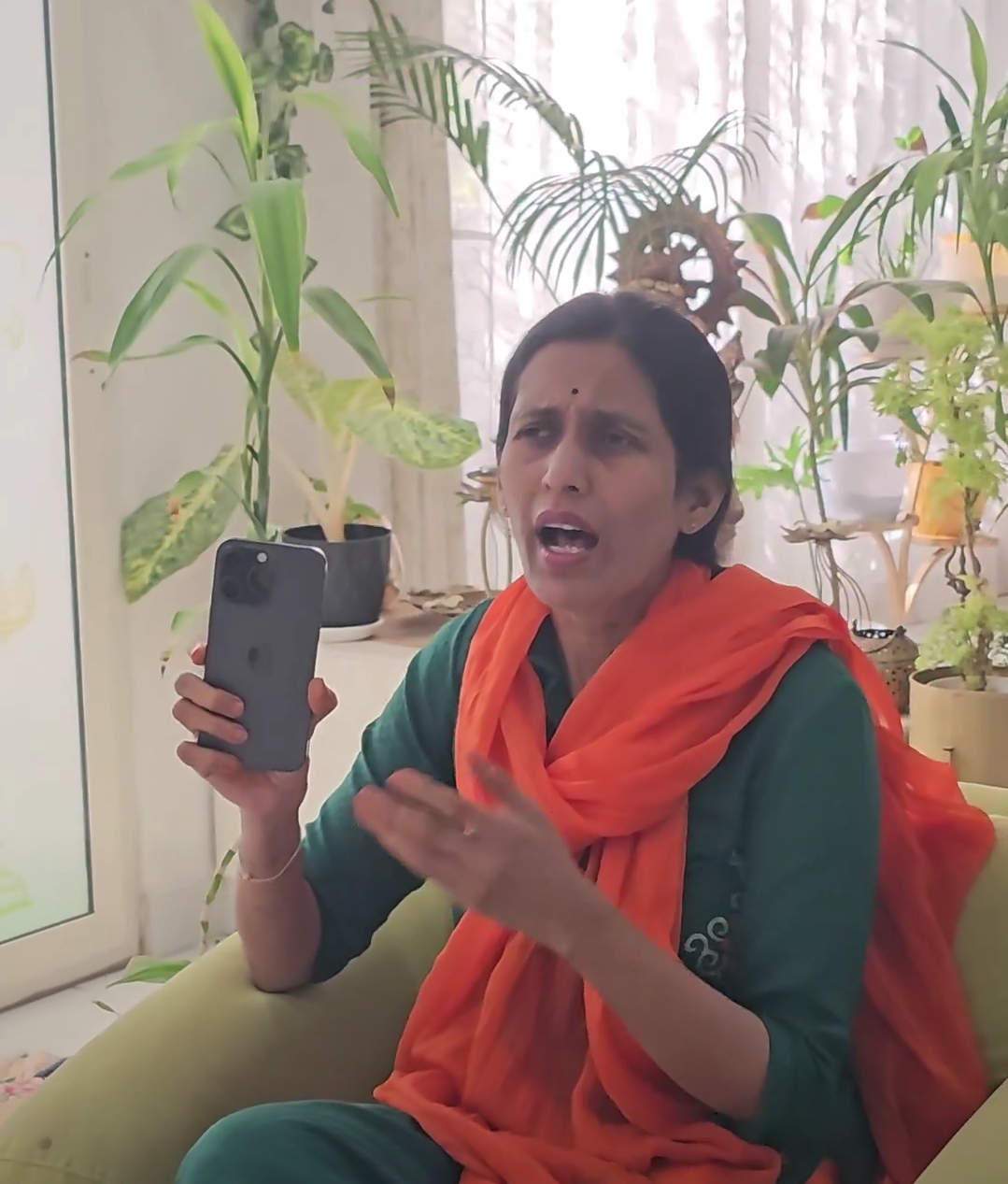
In a social media post, Srivani argued that all four expressions can be used as greetings and said they should receive equal recognition and respect. She questioned whether the differing responses from Siri reflected a gap in the system’s handling of culturally specific expressions.
“Ram Ram is a greeting. Radhe Radhe is a greeting. Jai Shri Ram is a greeting. As-salaam alaikum is a greeting,” she wrote.
Srivani said that millions of people use the first three expressions while greeting one another and suggested that users could independently verify their usage through online sources or AI tools.
She also described what she said was her own test of Siri. According to her post, Siri responded to “As-salaam alaikum” but did not respond to “Ram Ram”, “Radhe Radhe” or “Jai Shri Ram”.
Based on that experience, Srivani appealed to Apple to examine the issue and make any necessary changes in a future software update.
The issue has also generated discussion online, with some users pointing out that different expressions can function as greetings depending on language, region, religious tradition and context. Others have distinguished between a conventional greeting and a religious invocation or slogan, particularly in the case of “Jai Shri Ram”.
The precise reason for Siri's reported responses has not been independently established, and a single device interaction cannot by itself establish how Siri is programmed to recognise all such expressions.
Srivani concluded her post by calling for equal respect for different forms of greeting and cultural expression.
The issue highlights a broader question for technology companies operating across culturally diverse markets: how should voice assistants recognise and respond to regionally and culturally specific forms of everyday communication?
More from Beyond Dakshin
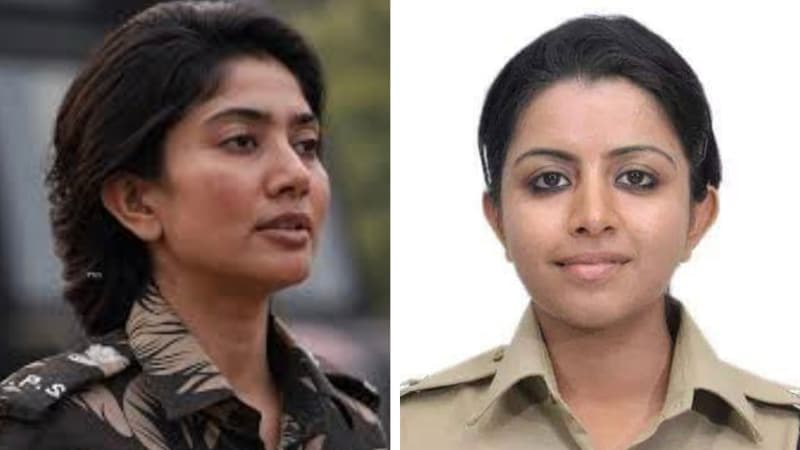
Sai Pallavi cuts her hair for ‘OM’, takes inspiration from IPS officer Merin Joseph; mother reacts in shock
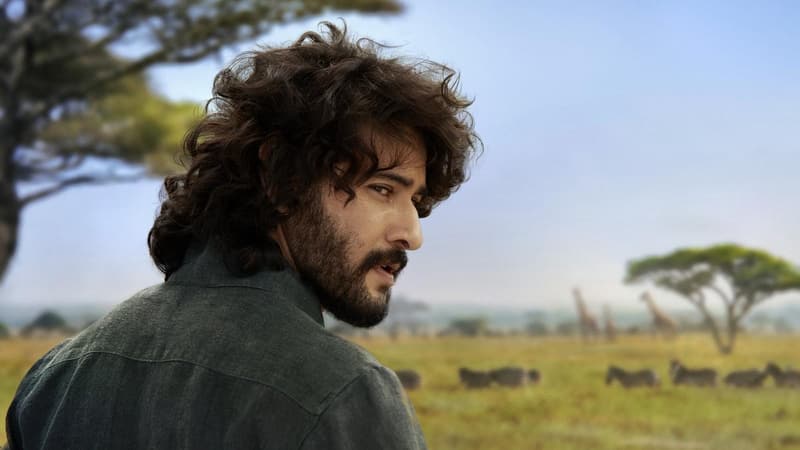
Mahesh Babu–Rajamouli’s ‘Varanasi’ eyes record ₹290 crore Telugu States deal, set to surpass ‘RRR’
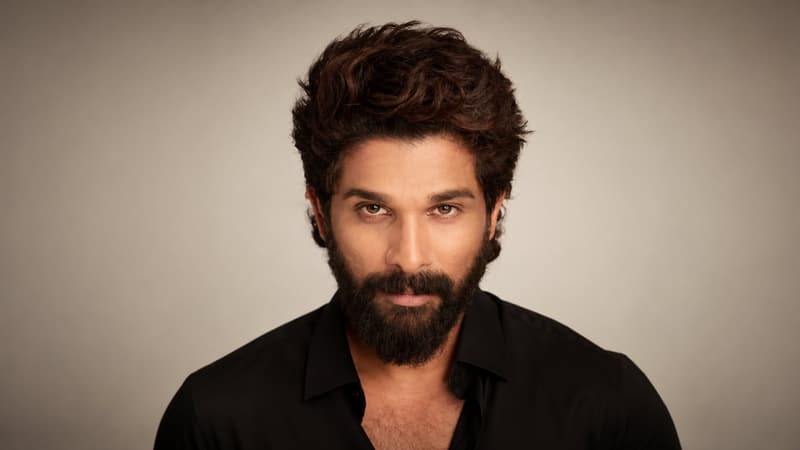
Allu Arjun lines up mythological pan-India spectacle with Boyapati Sreenu after ‘Raaka’!
More from Politics
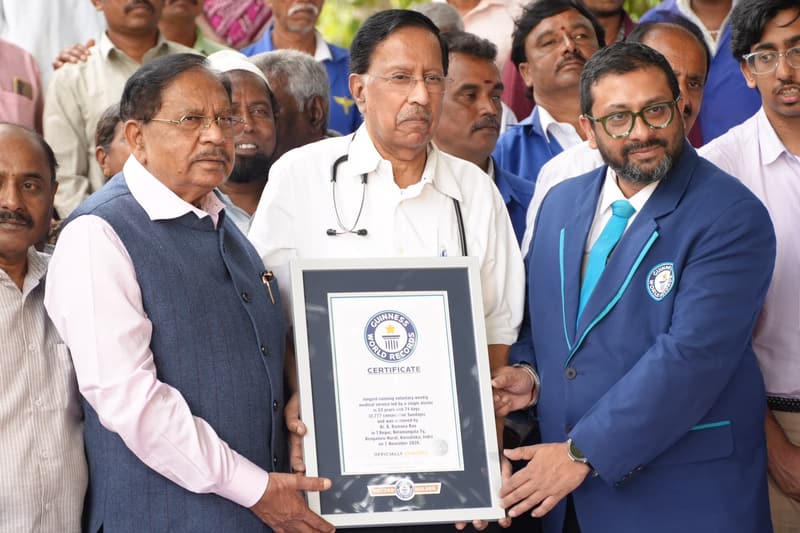
Padma Shri Dr B. Raman Rao enters Guinness World Records for treating over 33 lakh patients over 2777 Sundays
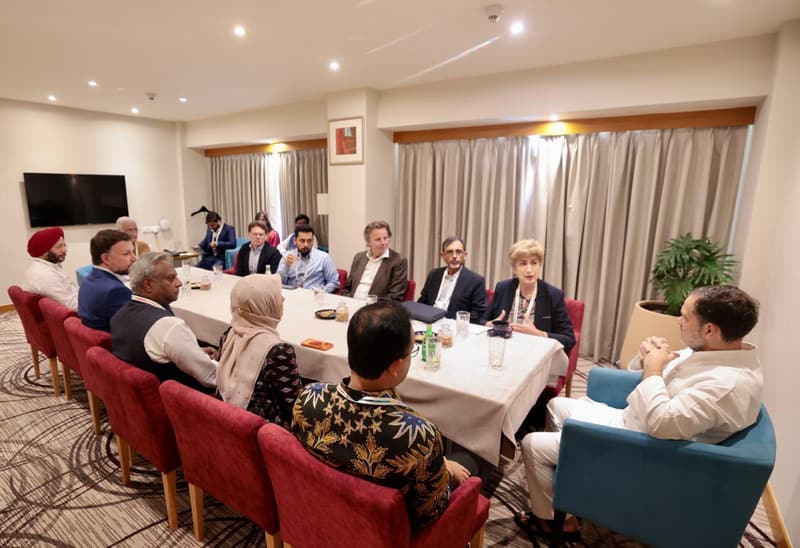
Rahul Gandhi calls for rethinking democracy and economic models amid growing influence of tech giants