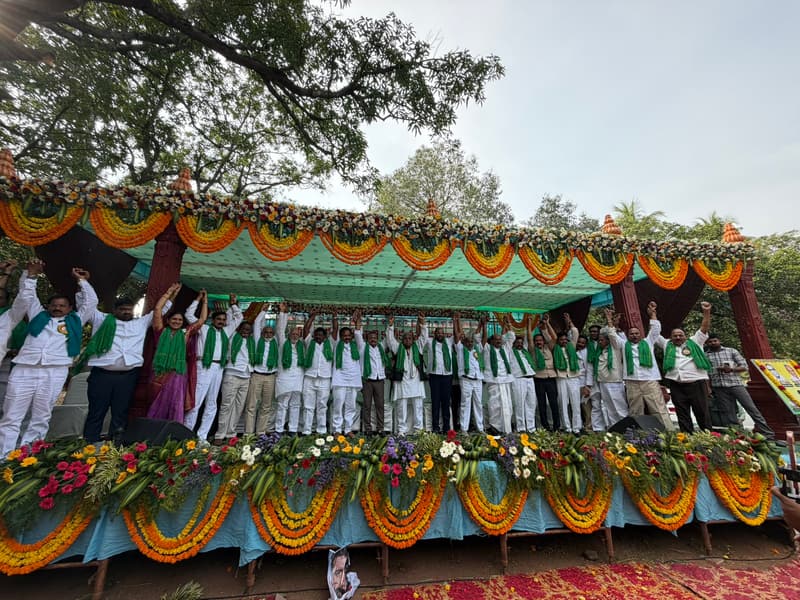
BJP poll expense data shows ₹13 lakh payment to "rape accused" Shamik Adhikary
Election expenditure data submitted by the Bharatiya Janata Party (BJP) to the Election Commission for the 2026 West Bengal Assembly elections reportedly lists payments made to several social media creators and other personalities during the pre-poll period.
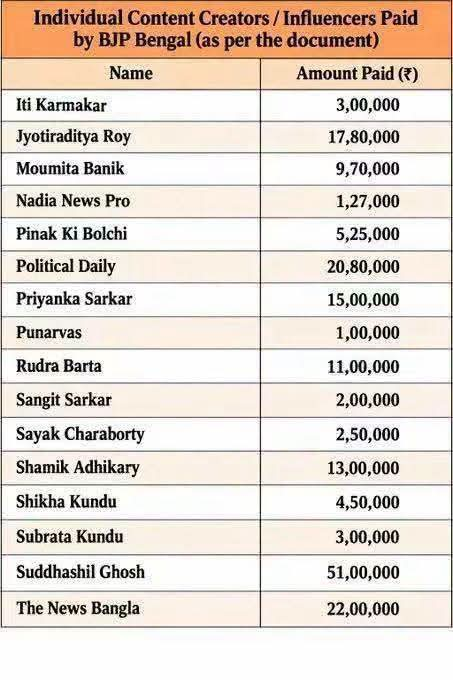
One of the entries records a payment of ₹13 lakh to content creator Shamik Adhikary, popularly known as Nonsane, according to The Times of India. The report said the payment appeared in the BJP's expenditure data submitted to the Election Commission.
Adhikary's political short film “Button”, which dealt with the political situation in Bengal and women's safety, had circulated widely on social media before the Assembly elections. The Times of India also reported that Adhikary had been arrested in connection with a sexual-assault case. He has not been convicted by a court, and the case remains pending, the report noted.
The expenditure data also reportedly includes payments to several other content creators and digital platforms. Among the entries cited by The Times of India are Sayak Chakraborty (₹2.5 lakh), Shuddhashil Ghosh (₹51 lakh), News Bangla (₹22 lakh), Bangla Hunt (₹22 lakh), Rudra Barta (₹11 lakh), Political Daily (₹20 lakh) and Priyanka Sarkar (₹15 lakh). The report cautioned that the exact identities of some individuals named in the data could not be independently confirmed.
Sayak Chakraborty confirmed to The Times of India that he received ₹2.5 lakh from the BJP for creating two videos, while another creator, Sukanta Kundu, said political parties routinely pay content creators for campaign-related work.
The disclosure has prompted questions from the Trinamool Congress, which has sought to connect some of the payments with political content released before the election. The BJP, however, has maintained that payments to professionals for campaign-related work are legitimate and that the expenditure was disclosed through proper channels.
The expenditure records establish that the payments were reported as election expenses; they do not by themselves establish that any creator was paid to promote a particular political narrative or that any payment was unlawful.
More from Beyond Dakshin
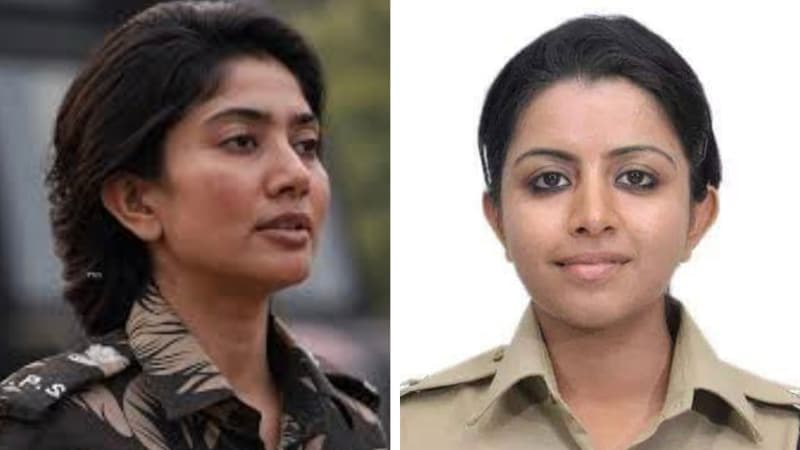
Sai Pallavi cuts her hair for ‘OM’, takes inspiration from IPS officer Merin Joseph; mother reacts in shock
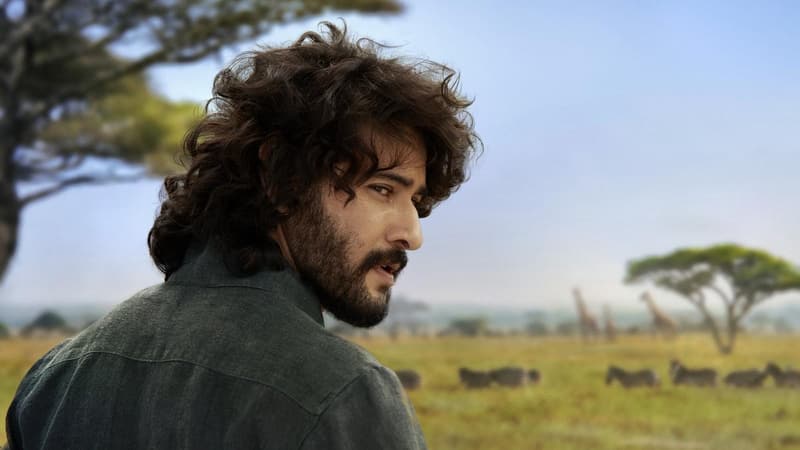
Mahesh Babu–Rajamouli’s ‘Varanasi’ eyes record ₹290 crore Telugu States deal, set to surpass ‘RRR’
Allu Arjun lines up mythological pan-India spectacle with Boyapati Sreenu after ‘Raaka’!
More from Politics
Padma Shri Dr B. Raman Rao enters Guinness World Records for treating over 33 lakh patients over 2777 Sundays
Rahul Gandhi calls for rethinking democracy and economic models amid growing influence of tech giants