Chandrababu Naidu’s ‘Masala’ remark puts Andhra Pradesh–Tamil Nadu investment rivalry in spotlight
Andhra Pradesh Chief Minister N. Chandrababu Naidu's witty response to a journalist's question about Tamil Nadu-based companies expanding into Andhra Pradesh has brought the growing competition between the two southern states for industrial investments into focus

The exchange has drawn attention to Andhra Pradesh's efforts to attract businesses, particularly companies looking to expand their manufacturing operations beyond established industrial centres in neighbouring Tamil Nadu.
The question also highlighted a broader economic issue: whether Andhra Pradesh's investment push could challenge Tamil Nadu's established position as one of India's leading manufacturing and industrial destinations.
The controversy escalated after Tamilaga Vettri Kazhagam (TVK) spokesperson Sathya Kumar interpreted Naidu's remark as a slight against Tamil Nadu's industrial capabilities. At the CII Partnership Summit in Visakhapatnam, Naidu had responded to the journalist by saying, "You want masala. I want results."
Naidu maintained that states were competing for investments but investors ultimately made their own decisions. He defended Andhra Pradesh's incentive-driven industrial policies while also emphasising cooperation among southern states.
However, Sathya Kumar defended Tamil Nadu's skilled workforce, entrepreneurial culture and established manufacturing ecosystem. He challenged Andhra Pradesh to compare actual investments, implemented projects and employment generation, pointing to Chief Minister C. Joseph Vijay's expected participation in the World Economic Forum at Davos in January 2027.
The competition is already visible in major industrial decisions. Brazilian electrical equipment manufacturer WEG has selected Dharmapuri in Tamil Nadu over Andhra Pradesh's Kuppam for a proposed ₹2,000-crore facility expected to generate approximately 3,000 jobs.
Meanwhile, Andhra Pradesh has secured a proposed US$2-billion investment from Kia India for a new manufacturing facility, with an estimated employment potential of 12,000 jobs.
The political exchange underscores the intensifying contest between the two states to attract global manufacturers, with industrial infrastructure, incentives, administrative efficiency and skilled manpower emerging as decisive factors.
Ultimately, the success of both governments will be measured not merely by investment announcements but by the number of factories established, projects completed and sustainable jobs created.
More from Andhra Pradesh
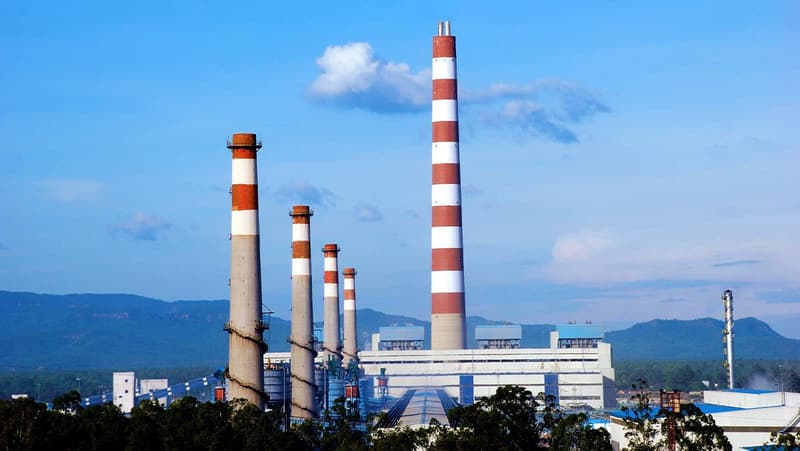
Shree Cement unveils ₹7,000 crore investment plans for three cement plants in Andhra Pradesh
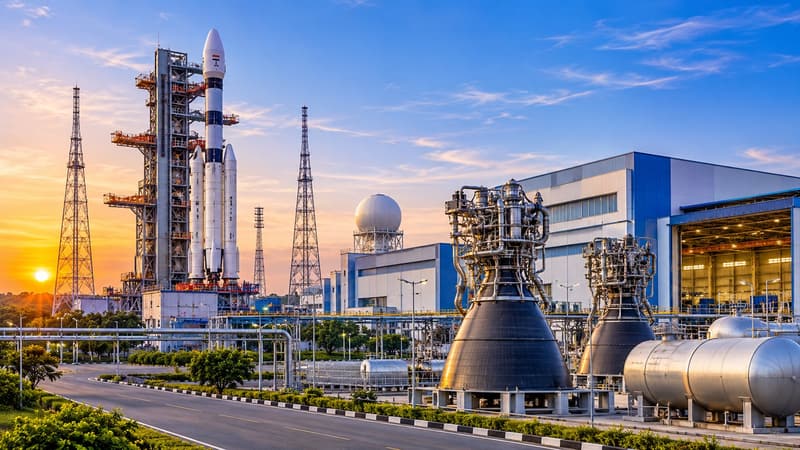
AP plans ₹25,000 crore space manufacturing ecosystem, secures major investments in rocket technology

Manchu Manoj named Andhra Yuva Sankalp 2K26 Ambassador; initiative reaches all 28 AP districts
More from Politics
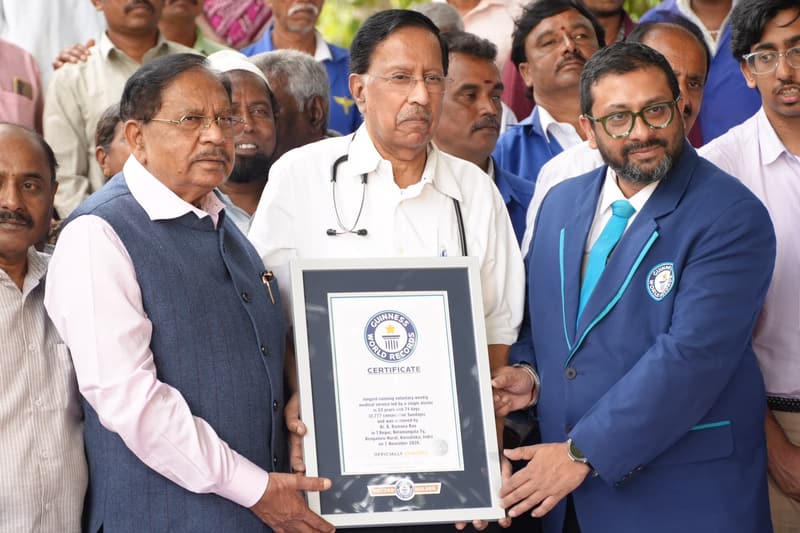
Padma Shri Dr B. Raman Rao enters Guinness World Records for treating over 33 lakh patients over 2777 Sundays
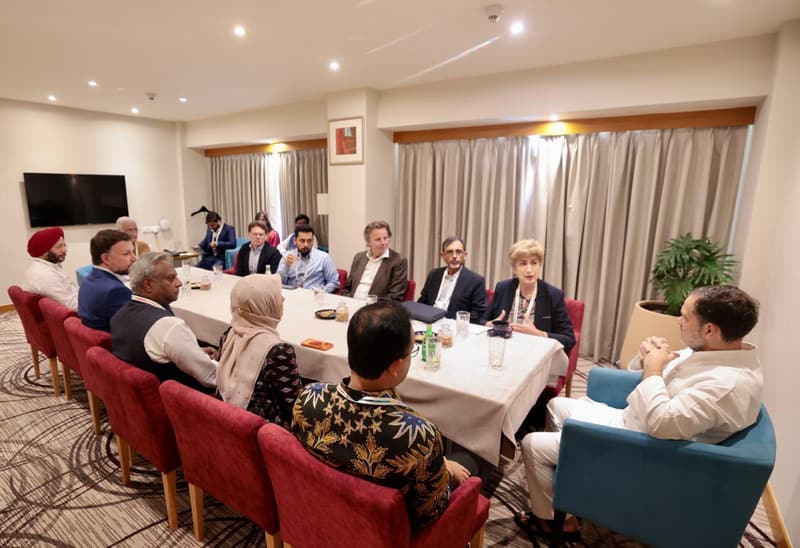
Rahul Gandhi calls for rethinking democracy and economic models amid growing influence of tech giants