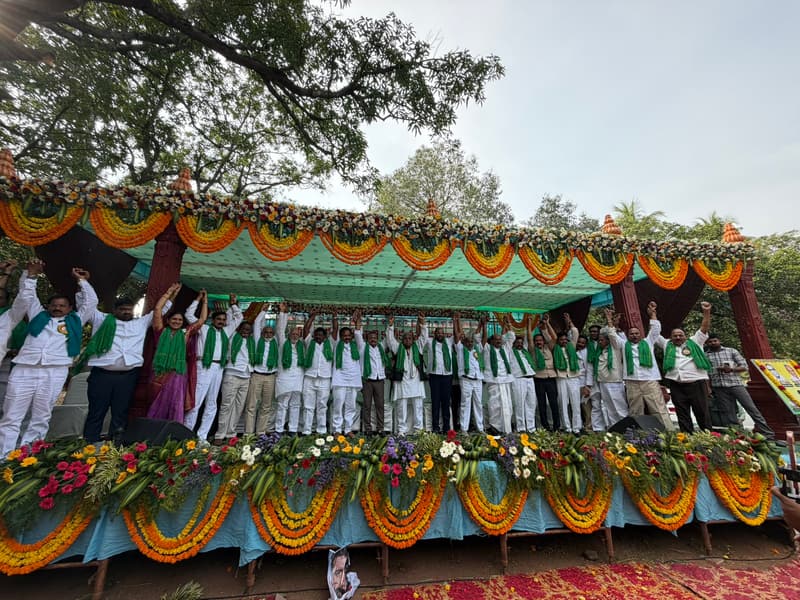
Chennai auto drivers report 50% drop in rides after expansion of free bus scheme
Auto-rickshaw drivers in Chennai say their earnings have declined sharply following the expansion of Tamil Nadu’s free bus travel scheme for women, with some reporting a drop of nearly 50% in the number of trips they make each day.

The complaints come after Chief Minister C. Joseph Vijay’s government expanded the ‘Vettri Payanam’ scheme to cover additional services, including express, deluxe, suburban and longer-distance rural buses. The initiative extends a welfare programme originally introduced by the previous DMK government in 2021.
Auto drivers interviewed in Chennai’s Ashok Pillar area said they were experiencing fewer customers and mounting financial pressure. One driver, A. Pakkiri, said his daily trips had fallen from around 10–15 to just five or six, estimating a decline of nearly 50% in business.
Another driver, N. Babu, said reduced earnings were making it increasingly difficult to meet household expenses, provide for children and repay vehicle loans. P. Nagoor Gani, who relies largely on passengers picked up directly from the streets rather than app-based bookings, also described the situation as increasingly difficult.
The drivers argue that free public transport has encouraged more women to use government buses instead of paying for auto rides, including for journeys they previously made by auto-rickshaw.
However, the reported decline in trips has not been independently verified, and the extent to which the free bus scheme alone is responsible remains unclear.
Auto operators are also pressing the government to revise official fares, which they say have remained unchanged since 2013 despite increases in fuel prices, vehicle maintenance, insurance and other operating costs.
The dispute highlights the challenge of balancing an expanded welfare scheme that reduces commuting costs for women with the livelihood concerns of auto-rickshaw drivers.
While the free bus initiative is intended to improve mobility and access to education, employment and essential services, drivers are seeking government intervention to protect their earnings. Their demands include a revised fare structure that reflects current costs.
The government now faces the task of addressing these concerns while maintaining the benefits of the expanded public transport scheme.
More from Tamil Nadu
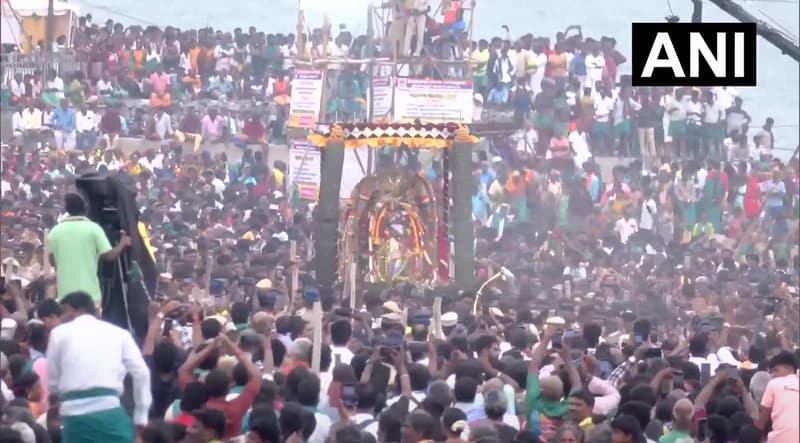
Lakhs of devotees throng Tiruchendur for grand Soorasamharam festival; 4100 Police deployed
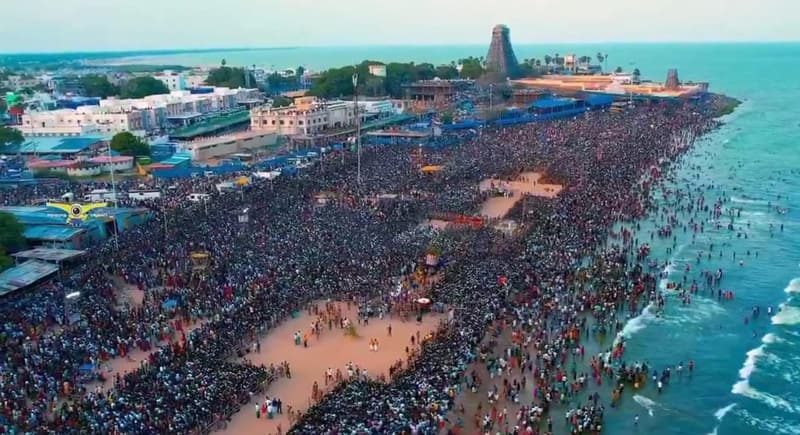
Tamil Nadu Governor Arlekar extends Kandha Sashti greetings, highlights spiritual significance of Soorasamharam
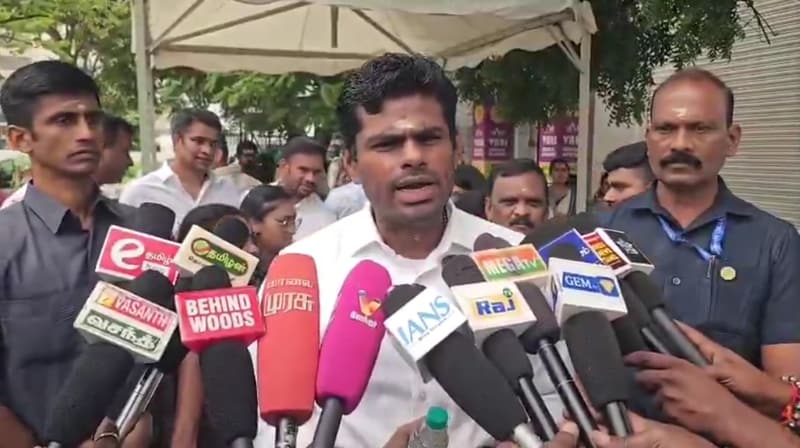
Annamalai slams Vijay Govt. over Thiruparankundram Deepam row; demands implementation of HC orders
More from Politics
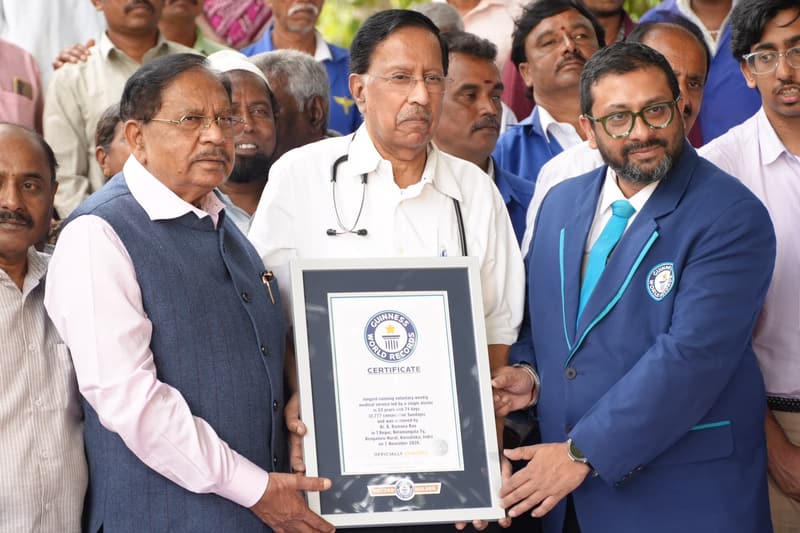
Padma Shri Dr B. Raman Rao enters Guinness World Records for treating over 33 lakh patients over 2777 Sundays
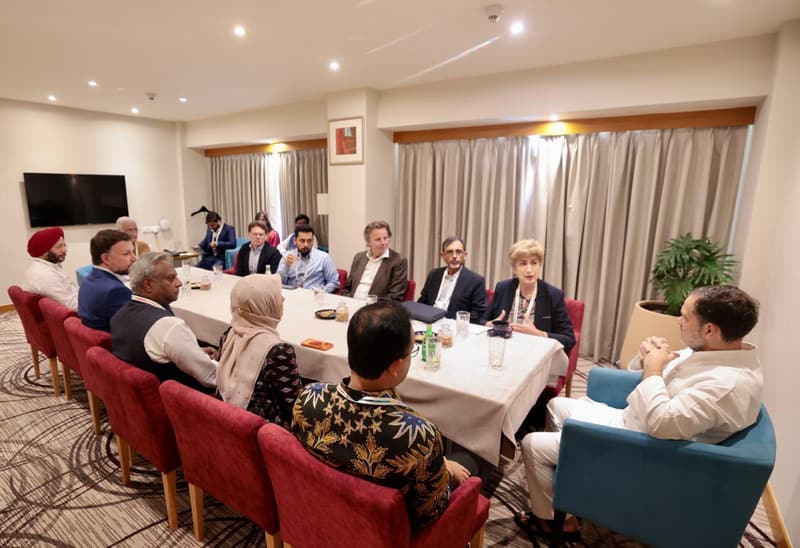
Rahul Gandhi calls for rethinking democracy and economic models amid growing influence of tech giants