CIAL’s Arippara Small Hydel Project generates nearly 65 million units of clean electricity
Cochin International Airport Limited (CIAL) has demonstrated the potential of renewable energy through its Arippara Small Hydel Project, which has generated nearly 65 million units of electricity since its commissioning in October 2021. The project has renewed calls for reviving 122 stalled small hydel projects across Keralam, which have a combined proposed capacity of 664 MW.
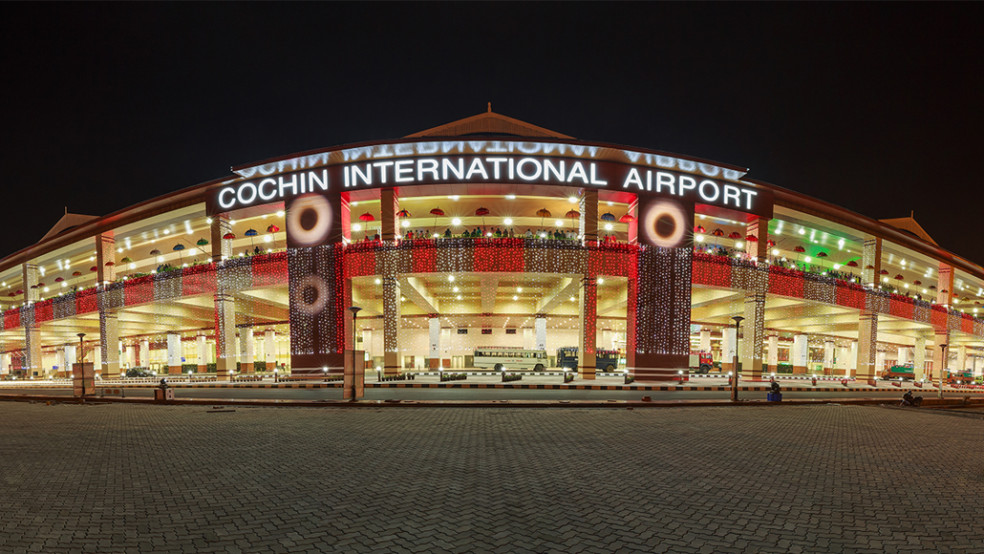
Arippara, a run-of-the-river hydropower project, was allotted to CIAL by the state government under a Build-Own-Operate-Transfer (BOOT) arrangement for 30 years. According to the figures presented by the company, the plant has generated a cumulative 64.59 million units of electricity. Operating from June to November, it produces an average of 12.5 million units annually.
The project’s performance highlights how small hydropower installations can contribute to the state’s energy requirements despite operating seasonally. Its success has also strengthened the case for exploring Keralam’s untapped hydropower potential.
Keralam has 122 small hydel projects that have remained stalled for years, with a combined proposed generation capacity of 664 MW. Energy experts and former project officials have called for reviving viable projects through district panchayats, district cooperative banks and private-sector participation.
Jacob Jose, a former project manager of the Pallivasal Extension Scheme, has advocated redesigning some of these projects and integrating them with solar power to improve their commercial viability. Such an approach could help expand generation capacity over the next two to three years if projects are assessed, approved and implemented efficiently.
Among the projects identified for consideration are Mankulam and Pambar, each with a proposed capacity of 40 MW; Achankovil at 30 MW; Bhoothathankettu and Chinnar at 24 MW each; and Kakkadampoyil-I at 20 MW.
However, the projects face technical and financial challenges, making detailed feasibility assessments essential before decisions on revival are taken.
The need to strengthen domestic electricity generation is becoming increasingly important for Keralam. The state continues to depend substantially on power purchased from other states to meet demand, exposing its electricity procurement costs to changing market conditions.
Figures cited in the report indicate that Keralam consumed around 32,000 million units of electricity in 2025, of which approximately 24,000 million units were purchased. The state's peak power demand currently stands at around 5,500 MW, with projections suggesting that it could rise to 10,000 MW by 2030.
The state’s generation capacity was reported at approximately 4,800 MW, including around 2,200 MW from rooftop solar installations. These figures underline the importance of expanding renewable energy sources and improving the reliability of the state’s power supply.
The state has also been pursuing a proposal for a 2,000-MWh battery energy storage system at Kayamkulam in partnership with NTPC and NTPC Green Energy Limited. Such storage infrastructure could help manage fluctuations in renewable power generation and improve supply during peak-demand periods.
CIAL’s achievement at Arippara also highlights the company’s ability to extend its capabilities beyond airport operations into renewable energy and infrastructure development. Its experience in conceptualising, implementing and operating a small hydel project offers a potential model for other institutions exploring clean-energy investments.
The success demonstrates how public-sector-linked enterprises can contribute to sustainable development by investing in renewable energy infrastructure and developing expertise that may be applied to other projects.
Electricity Minister K. Krishnankutty has indicated that the government is examining stalled hydel projects in detail. Although several proposals face technical constraints, the government is considering the revival of at least some projects based on district-level assessments.
Reviving viable small hydel schemes, integrating generation with solar power and investing in energy storage could help Keralam reduce its dependence on external power purchases while strengthening energy security.
Arippara’s performance provides a practical example of the contribution that smaller renewable energy projects can make to the state’s broader energy transition.
More from Kerala
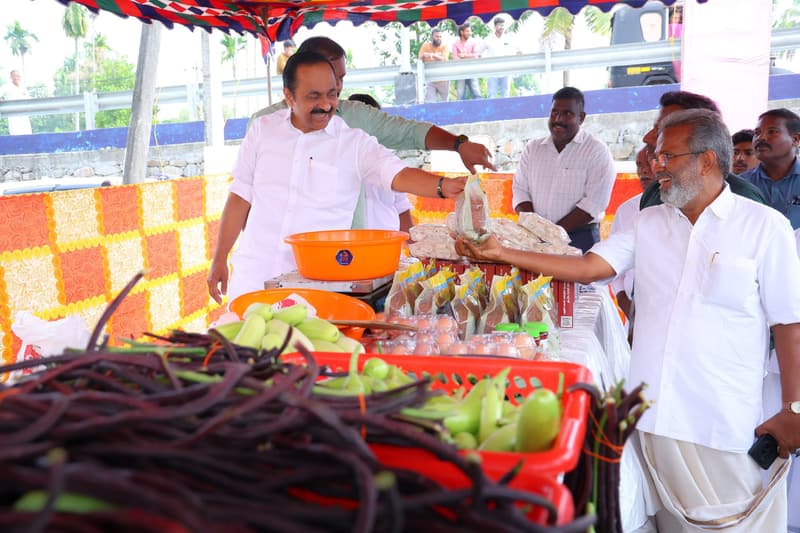
Keralam CM V. D. Satheesan inaugurates farm tourism project at Chathanad village hub

Mammootty named Brand Ambassador for Keralam’s ‘Jeeva Suyathra Mission’ to cut road accident deaths by 50%
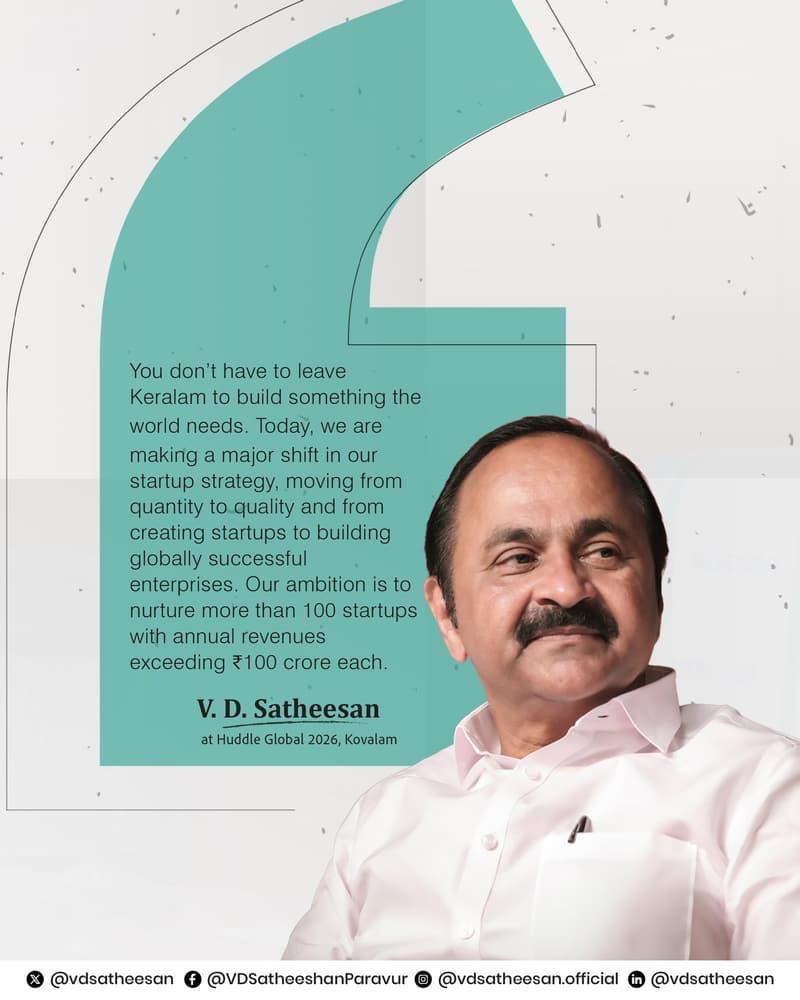
Keralam unveils scale-up mission, targets 100 startups with ₹100 crore annual revenue each
More from Business
Shree Cement unveils ₹7,000 crore investment plans for three cement plants in Andhra Pradesh

Aster DM Quality Care invests ₹500 crore in 300-bed multispecialty hospital at Hyderabad’s Kondapur