Closing meat shops for PM Modi’s visit is fascism, violates right to food: Justice Nagamohan Das
Former Karnataka High Court judge Justice H.N. Nagamohan Das has strongly criticised the closure of meat shops during Prime Minister Narendra Modi's visit to Bengaluru, describing the restrictions as a manifestation of fascism and an infringement on citizens' fundamental rights
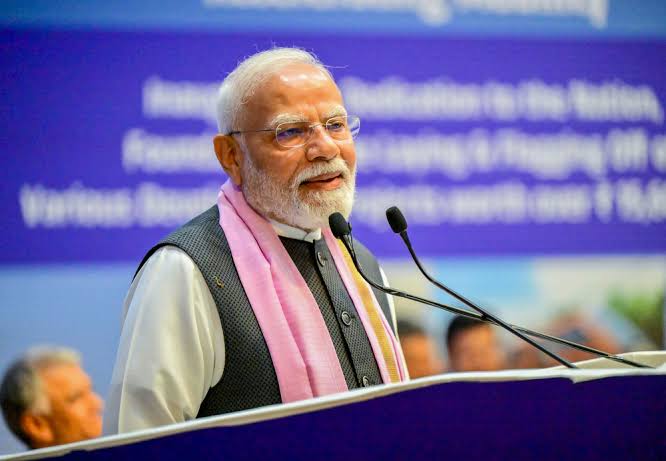
His remarks on Friday (November 13) followed an order issued by the Bengaluru Urban Deputy Commissioner directing meat shops in parts of Anekal taluk to remain closed during the Prime Minister's visit, citing the need to maintain peace and public order.
Speaking at a symposium on "Decentralization and Planned Development", organised by the Karnataka State Policy and Planning Commission at Gandhi Bhavan in Bengaluru to commemorate the birth centenary of former Chief Minister Ramakrishna Hegde, Justice Nagamohan Das questioned the rationale behind linking the Prime Minister's visit to restrictions on food choices.
"The Prime Minister visiting is a matter of pride for us and for our state. Let him come! But why should meat shops be closed? If liquor shops were closed, I might be somewhat satisfied with it. How do you link the closing of mutton shops to the visit of the Prime Minister? If this isn't fascism, then what else is it?" he asked.
The retired judge asserted that citizens have the fundamental right to choose what they eat and that the government should not interfere with individual dietary preferences.
"Nobody is denying that there are vegetarians. Respect them. The right to food is a fundamental right. You eat what you want, let them eat what they want, and let me eat what I want. Who are you to come and dictate what we eat?" he remarked.
Justice Nagamohan Das also expressed concern over what he described as the re-emergence of authoritarian tendencies in different forms. Recalling the sacrifices made to protect democratic values, he warned that fascist forces were attempting to exercise control over people's everyday lives.
His observations have brought renewed attention to the debate surrounding individual freedoms, dietary choices and the extent to which administrative restrictions can be justified during visits by political leaders.
The symposium was presided over by B.R. Patil, Vice-Chairman of the Karnataka State Policy and Planning Commission.
The controversy raises broader questions about whether security arrangements for high-profile visits should extend to regulating ordinary commercial activities and citizens' personal food preferences.
More from Karnataka
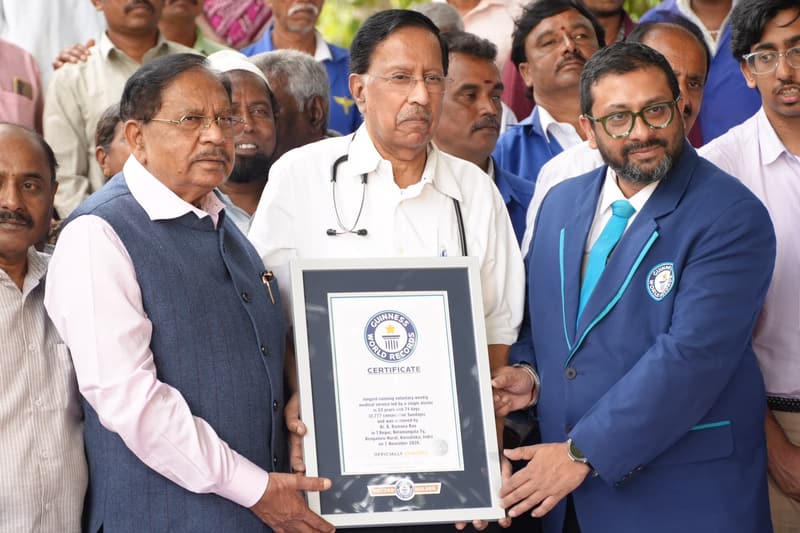
Padma Shri Dr B. Raman Rao enters Guinness World Records for treating over 33 lakh patients over 2777 Sundays
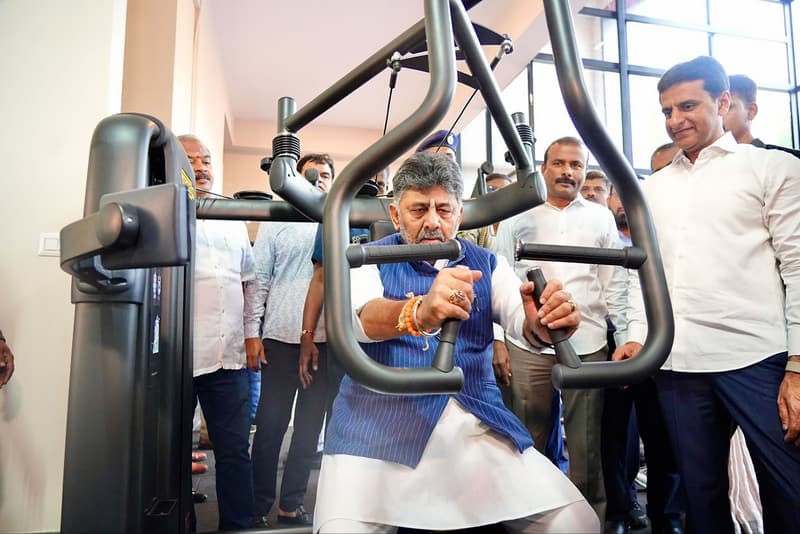
Karnataka CM Shivakumar inaugurates community hall with modern gym, badminton court in Bengaluru
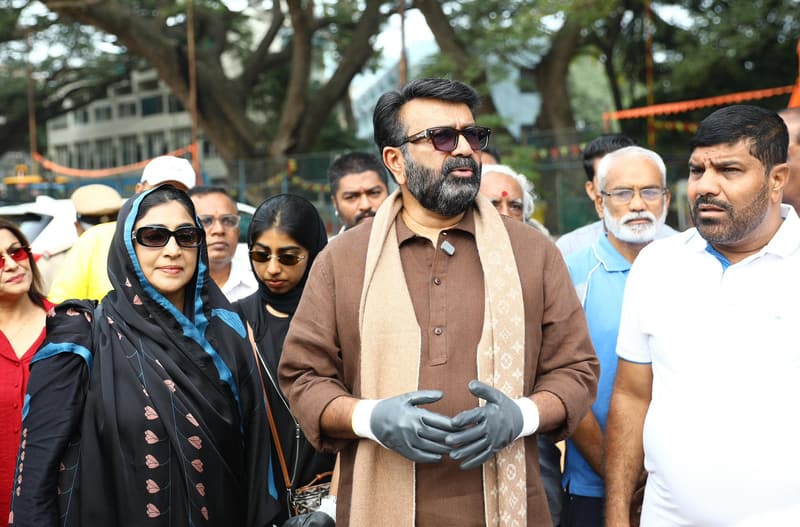
BDA Chairman N.A. Haris joins citizens in Bengaluru Park cleanliness drive, calls for a green movement
More from Politics
Padma Shri Dr B. Raman Rao enters Guinness World Records for treating over 33 lakh patients over 2777 Sundays
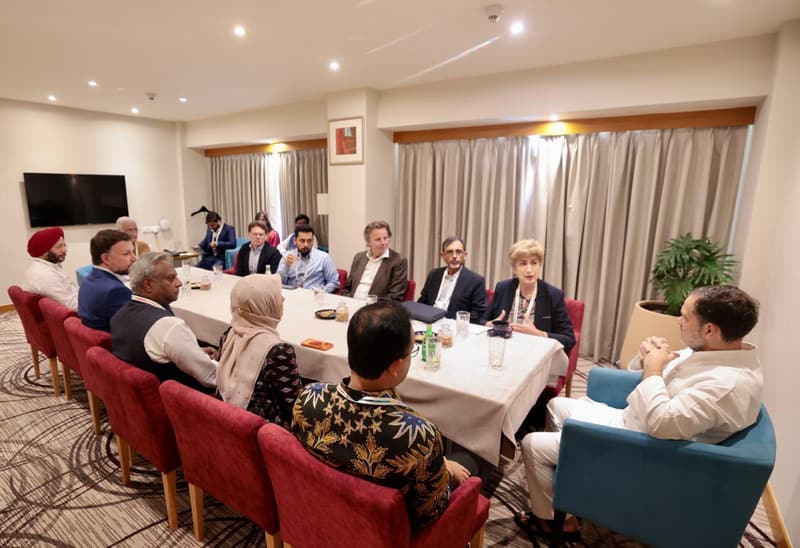
Rahul Gandhi calls for rethinking democracy and economic models amid growing influence of tech giants