Cyclone-triggered flooding raises questions over Amaravati’s ‘world-class’ capital vision
The heavy rainfall and flooding triggered by Cyclone Murasu have brought renewed scrutiny to the planning and infrastructure of Amaravati, Andhra Pradesh’s proposed capital city. Videos showing waterlogged roads and inundated areas have been widely shared on social media, prompting questions about the region’s preparedness to function as a modern administrative and urban centre.
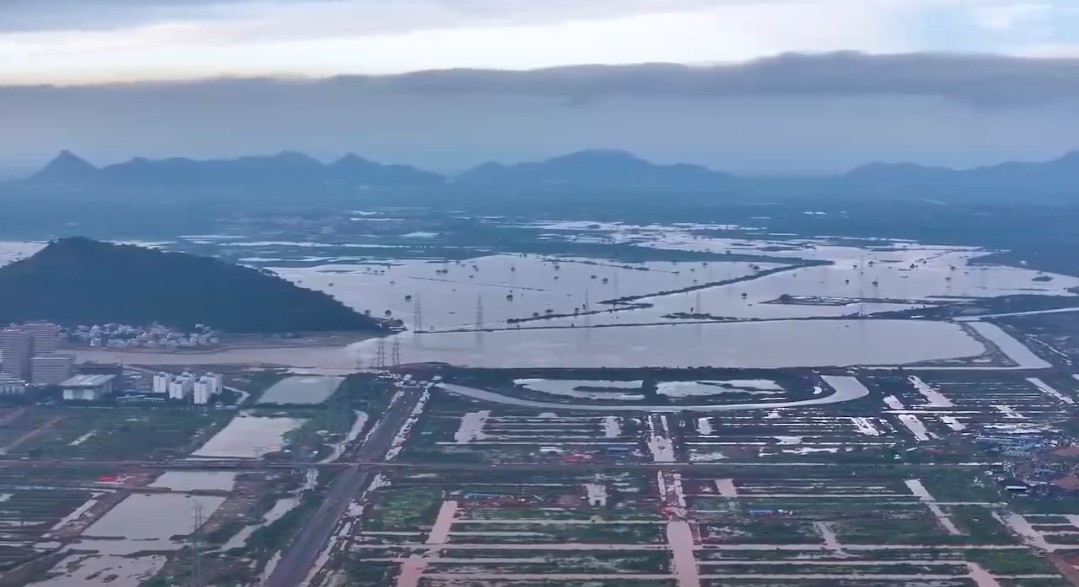
Critics have questioned whether the capital region has adequate drainage systems, flood-management infrastructure and long-term urban planning to withstand extreme weather conditions. They argue that the latest inundation has exposed possible gaps between the ambitious vision of a “world-class” capital and the ground realities.
Chief Minister N. Chandrababu Naidu has also faced criticism over the planning and execution of Amaravati’s development. Opposition voices and social media users have questioned whether sufficient attention was given to the region’s geographical conditions, drainage requirements and vulnerability to heavy rainfall.
Cyclone Murasu crossed the south Andhra Pradesh coast near Ongole on November 3, bringing heavy rain and strong winds. Several coastal and inland districts witnessed flooding, damage to infrastructure and disruption to road connectivity.
However, the extent to which the reported waterlogging in the wider Amaravati region reflects deficiencies in the capital’s master planning will require a location-specific assessment. The episode has nevertheless revived a larger debate over whether Amaravati’s infrastructure plans adequately account for extreme weather and climate-related risks.
More from Andhra Pradesh
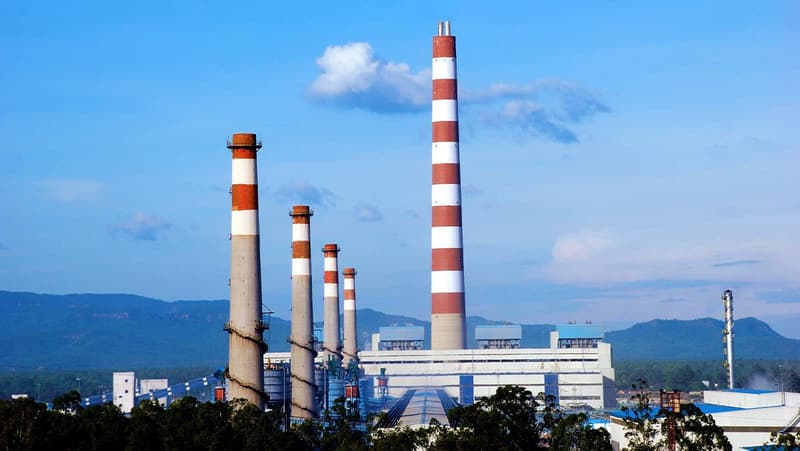
Shree Cement unveils ₹7,000 crore investment plans for three cement plants in Andhra Pradesh
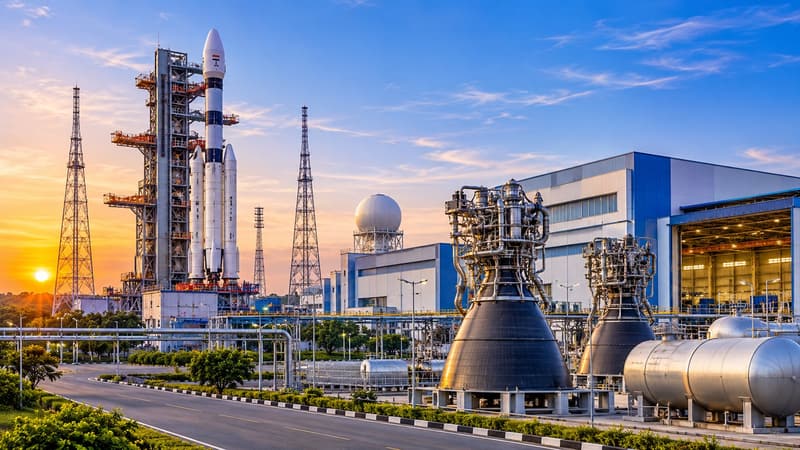
AP plans ₹25,000 crore space manufacturing ecosystem, secures major investments in rocket technology

Manchu Manoj named Andhra Yuva Sankalp 2K26 Ambassador; initiative reaches all 28 AP districts
More from Politics
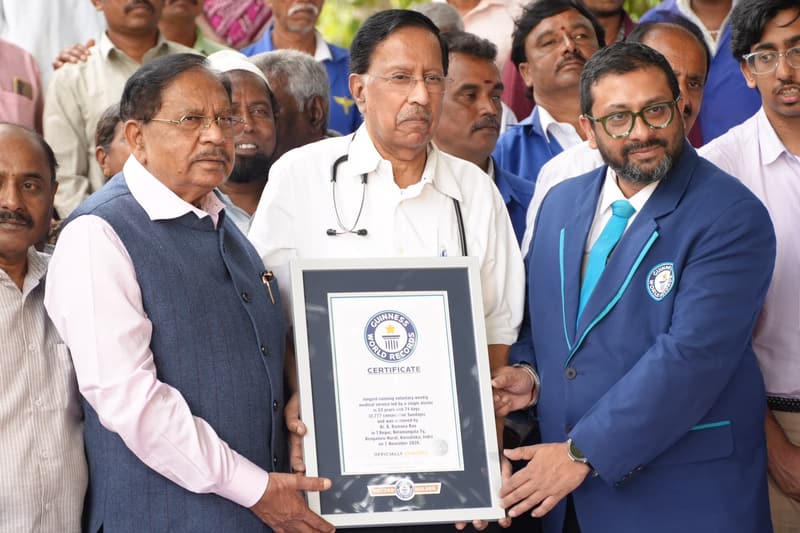
Padma Shri Dr B. Raman Rao enters Guinness World Records for treating over 33 lakh patients over 2777 Sundays
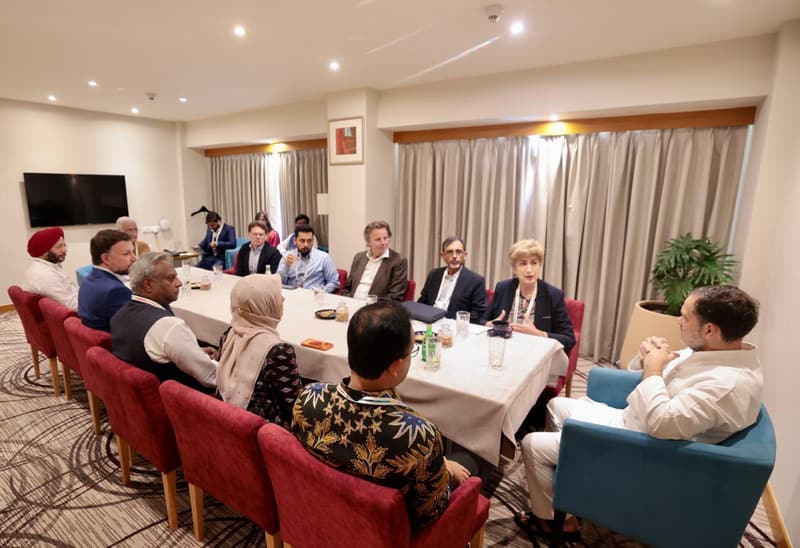
Rahul Gandhi calls for rethinking democracy and economic models amid growing influence of tech giants