‘Desi Beti vs Videshi Bahu’: Sonia Gandhi revisits her historic 1999 Bellary battle against Sushma Swaraj
Former Congress president Sonia Gandhi has revisited one of the most fiercely contested elections of her political career, recalling how her maiden Lok Sabha contest against BJP leader Sushma Swaraj in Karnataka's Bellary constituency in 1999 became a high-profile battle over nationality, identity and political belonging
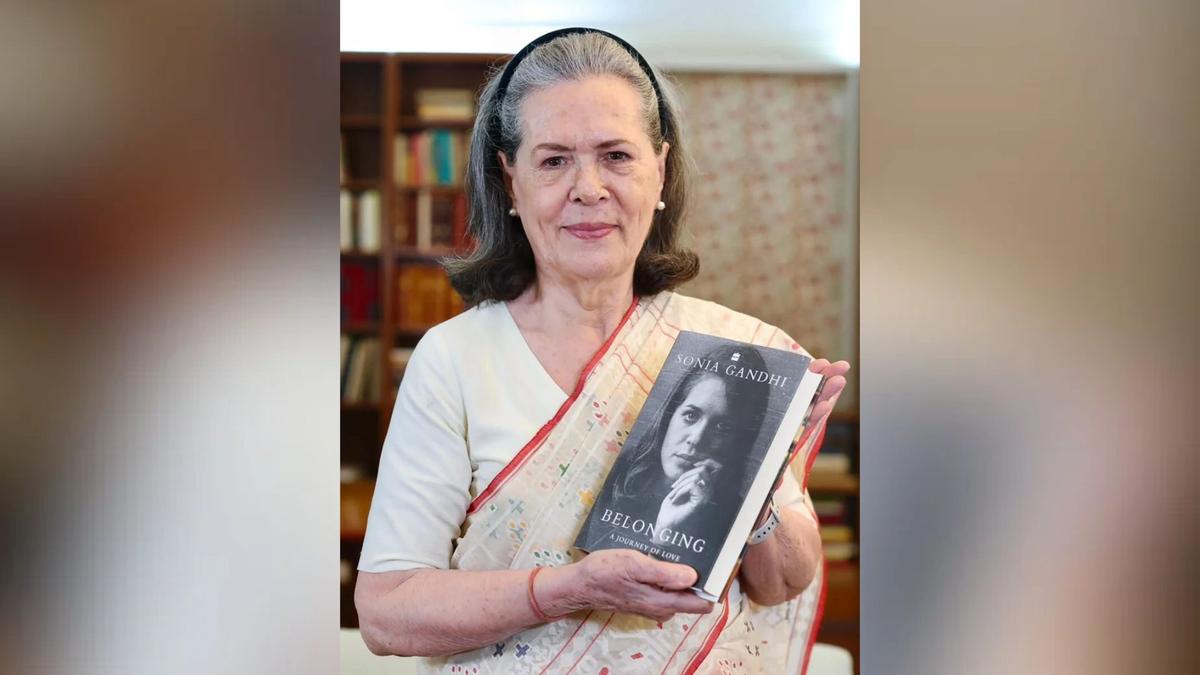
In her recently released memoir, Belonging: A Journey of Love, Sonia Gandhi reflects on the campaign that pitted her against Swaraj, with the BJP projecting its candidate as a daughter of India while portraying the Italian-born Congress leader as a foreign daughter-in-law. The contest became popularly known as the "Desi Beti vs Videshi Bahu" battle, capturing national attention during the parliamentary elections.
The 1999 election marked Sonia Gandhi's electoral debut after she assumed leadership of the Congress in 1998. She contested from two constituencies, Amethi in Uttar Pradesh and Bellary in Karnataka. While Amethi was a traditional Congress stronghold associated with the Nehru-Gandhi family, Bellary presented a different political challenge, particularly after the BJP fielded Sushma Swaraj against her.
Swaraj, already an established national political figure, mounted an energetic campaign that placed Sonia Gandhi's foreign origins at the centre of the electoral debate. The BJP sought to turn the contest into a question of Indian identity, while Congress supporters rallied behind Sonia Gandhi and emphasised her association with the Gandhi family and commitment to Indian public life.
Despite the intense campaign, Sonia Gandhi emerged victorious, defeating Swaraj by approximately 56,100 votes. In her memoir, she acknowledges being surprised by the decisiveness of the result, particularly given the attention and political significance attached to the contest.
The Bellary victory became an important milestone in Sonia Gandhi's political journey. It demonstrated her ability to win electoral support beyond the Congress party's traditional family constituencies and strengthened her position within the organisation at a time when questions surrounding her foreign birth were being raised both by political opponents and sections of her own party.
The controversy over her origins had already triggered significant tensions within the Congress in 1999. Senior leaders, including Sharad Pawar, questioned whether a foreign-born person should occupy India's highest political office, leading to an internal confrontation that eventually resulted in their departure from the party.
Following her victories in both Amethi and Bellary, Sonia Gandhi chose to retain the Amethi seat and resigned from Bellary in October 1999. Parliamentary records confirm that her resignation from the Karnataka constituency took effect on October 19 that year.
More than two decades later, the Bellary election remains a significant episode in Indian political history, illustrating how questions of nationality, cultural identity and belonging can become central themes in electoral campaigns.
Through her memoir, Sonia Gandhi offers a personal perspective on a contest that helped shape her early political career. Her recollections also revisit a period when the Congress was struggling to regain national power and its newly appointed president was confronting both electoral challenges and questions about her acceptance in Indian politics.
The 1999 Bellary battle ultimately became more than a contest between two prominent women politicians. It was an early test of whether Sonia Gandhi's foreign origins would determine her political future or whether voters would judge her on broader political considerations. Her victory established an important foundation for her subsequent leadership of the Congress, which went on to head the United Progressive Alliance government after the 2004 general elections.
More from Karnataka
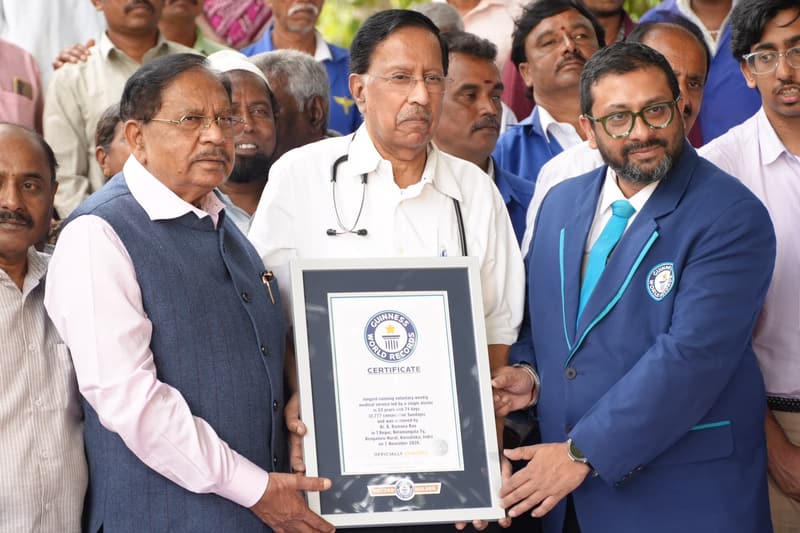
Padma Shri Dr B. Raman Rao enters Guinness World Records for treating over 33 lakh patients over 2777 Sundays
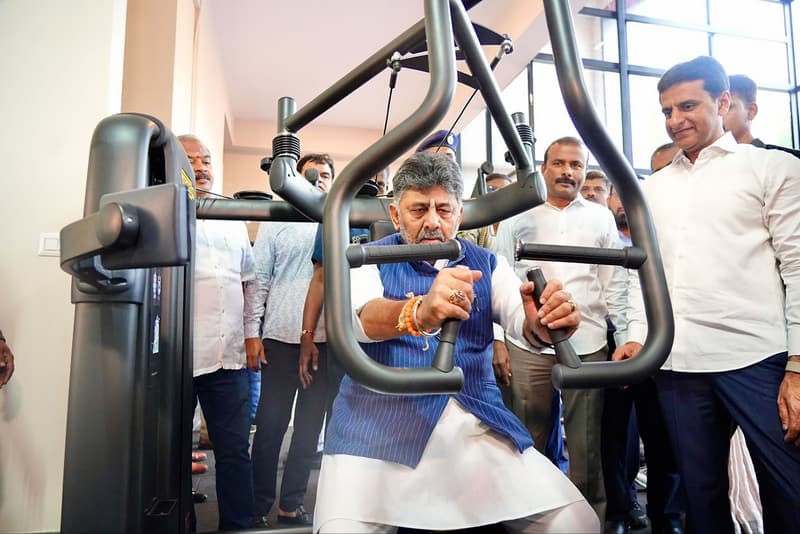
Karnataka CM Shivakumar inaugurates community hall with modern gym, badminton court in Bengaluru
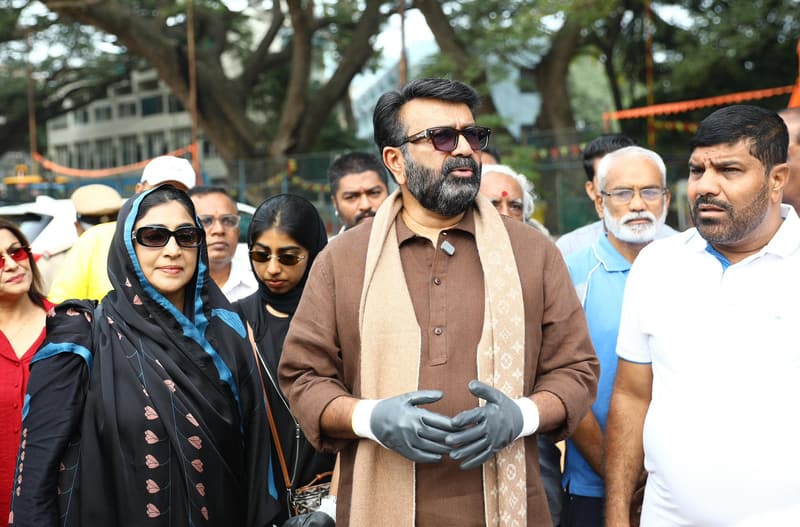
BDA Chairman N.A. Haris joins citizens in Bengaluru Park cleanliness drive, calls for a green movement
More from Politics
Padma Shri Dr B. Raman Rao enters Guinness World Records for treating over 33 lakh patients over 2777 Sundays
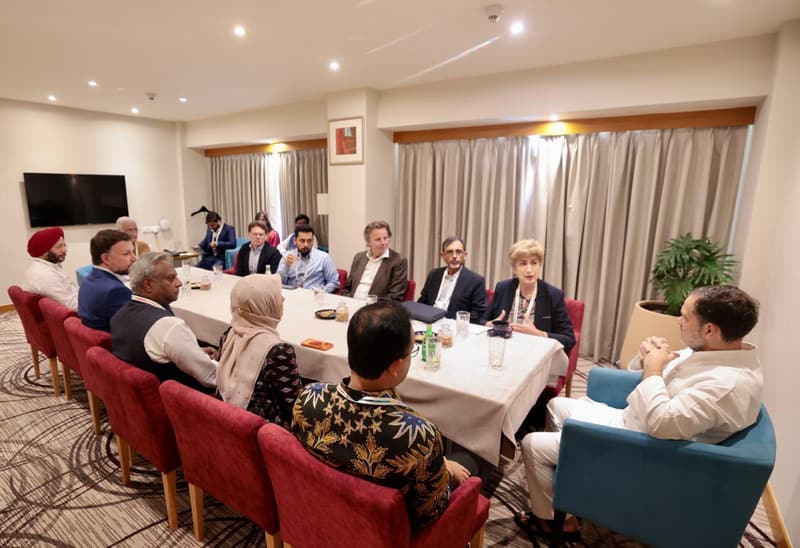
Rahul Gandhi calls for rethinking democracy and economic models amid growing influence of tech giants