Devendrakula Vellalar Community seeks exit from Scheduled Caste list, citing social stigma
The Devendrakula Vellalar (DKV) community in Tamil Nadu, which is currently included in the Scheduled Caste (SC) list, has been seeking removal from the category, with community leaders saying the demand is driven by concerns over social identity and self-respect rather than access to reservation benefits.
The issue has come into focus following comments by Ananthan Ayyasamy, a member of the community and BJP district president in Tenkasi. “Please do not refer to us as Dalits,” Ayyasamy told India Today, explaining his opposition to identifying the community through the term. He has also said that sections of the community have voluntarily decided not to invoke provisions of the SC/ST (Prevention of Atrocities) Act.
The DKV community was formally recognised under the unified name Devendrakula Vellalar after Parliament passed legislation in 2021 merging seven sub-castes, including Pallar, under the new name. The community had argued that the change would provide a unified cultural identity.
K. Krishnasamy, founder of Puthiya Tamilagam and a prominent advocate of the demand, has said that efforts to move the community from the SC category to the Other Backward Classes (OBC) category have been made since 1996. He has described the eventual objective as moving towards the general category after a period of social and economic transition.
Ayyasamy and Krishnasamy have argued that the SC classification carries a social stigma that they believe affects the community's economic and professional advancement. They maintain that the demand is not based on affluence, pointing out that significant sections of the community continue to face poverty.
However, the demand is not uniformly supported across the community, according to political analyst Ravindran Duraisamy, who told India Today that some sections oppose delisting because they continue to depend on reservation benefits.
The article notes that removal of a community from the SC list at its own request would be an unusual development in independent India, where demands for inclusion in reserved categories have historically been more common.
More from Tamil Nadu

Lakhs of devotees throng Tiruchendur for grand Soorasamharam festival; 4100 Police deployed
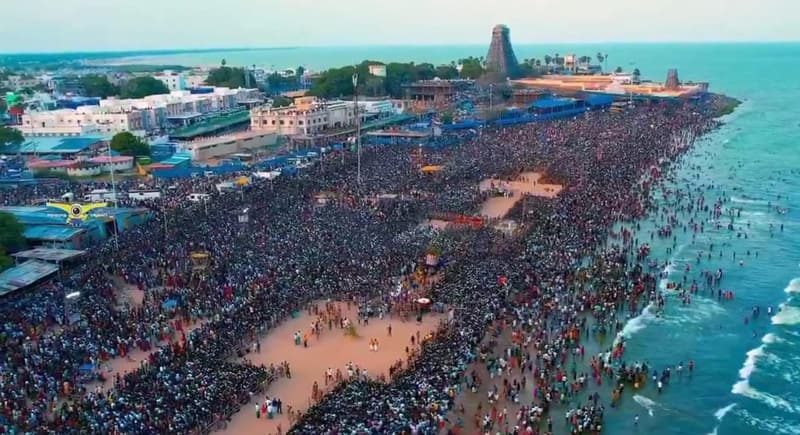
Tamil Nadu Governor Arlekar extends Kandha Sashti greetings, highlights spiritual significance of Soorasamharam
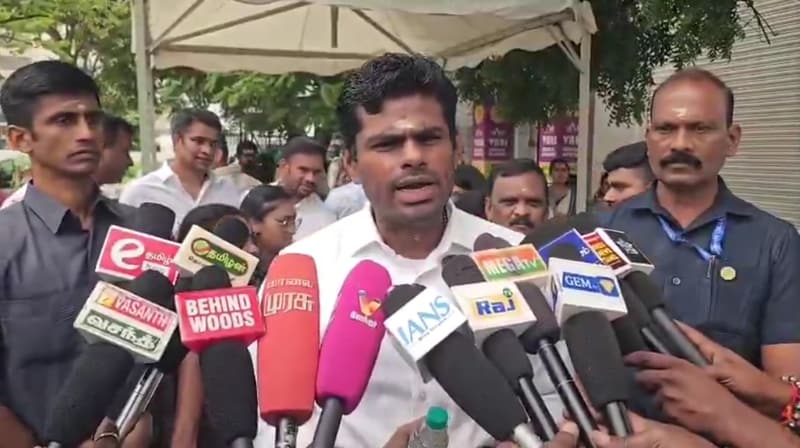
Annamalai slams Vijay Govt. over Thiruparankundram Deepam row; demands implementation of HC orders
More from Entertainment
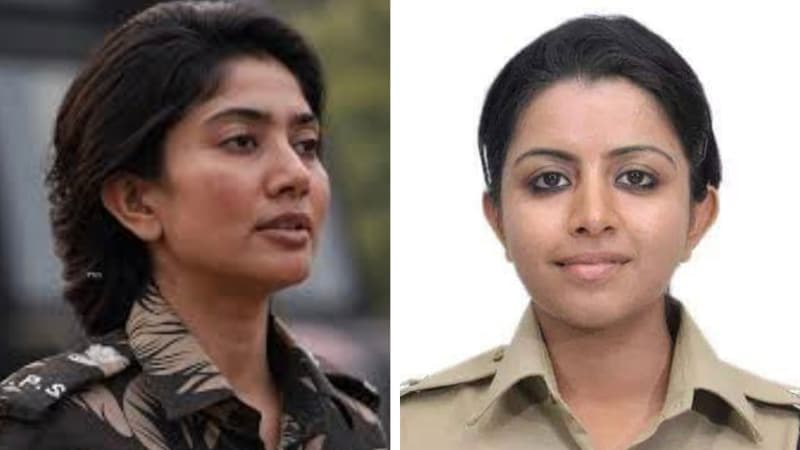
Sai Pallavi cuts her hair for ‘OM’, takes inspiration from IPS officer Merin Joseph; mother reacts in shock
Mahesh Babu–Rajamouli’s ‘Varanasi’ eyes record ₹290 crore Telugu States deal, set to surpass ‘RRR’