DMK MP seeks Central regulatory framework for BNYS education and practitioners
DMK Lok Sabha member Thamizhachi Thangapandian has urged the Union Ministry of AYUSH to establish a clear statutory and regulatory framework for Bachelor of Naturopathy and Yogic Sciences (BNYS) education and graduates, citing concerns over professional recognition, postgraduate opportunities and career prospects.
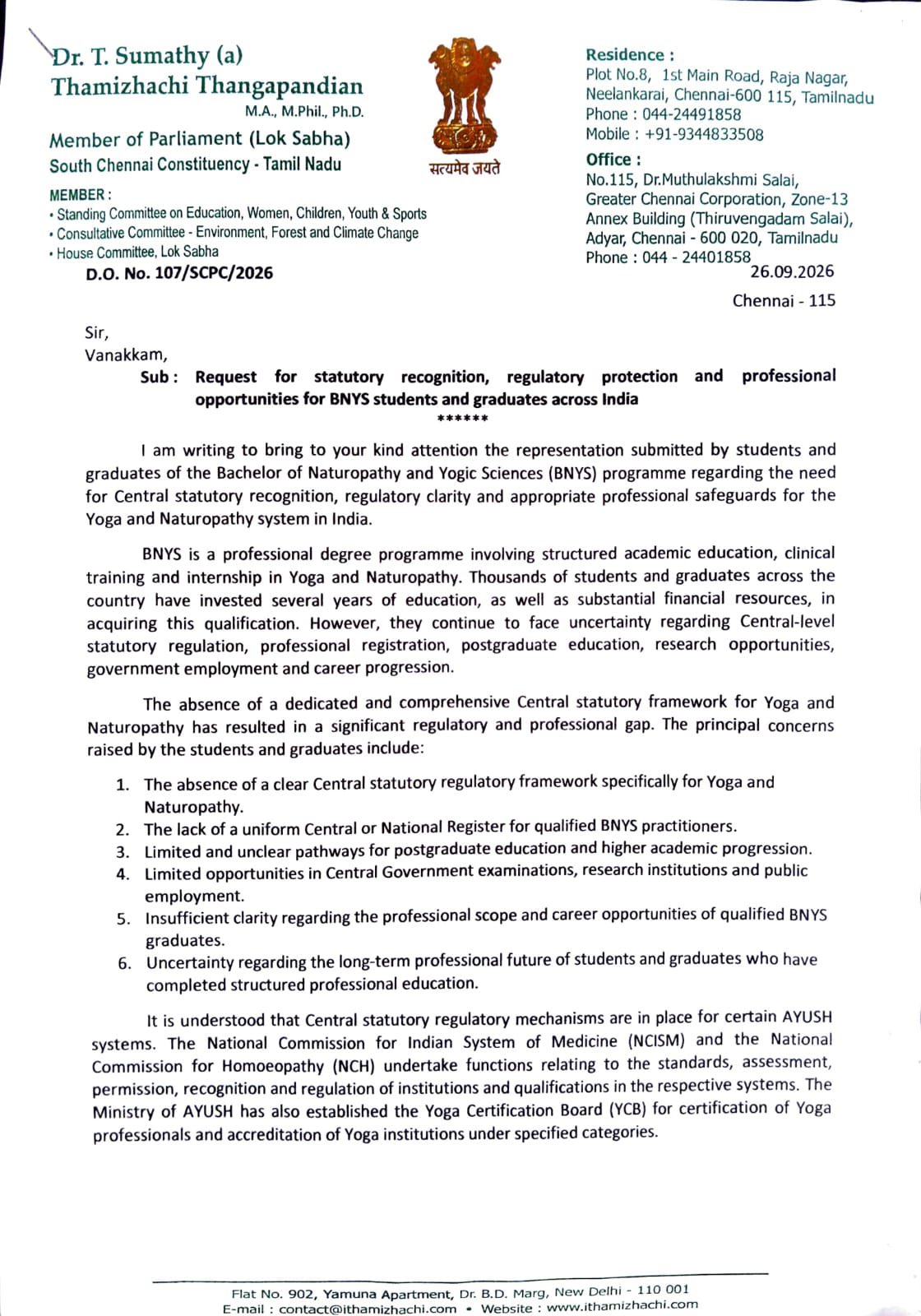
In a letter dated September 26, 2026, addressed to the Union Minister of State (Independent Charge) for AYUSH, the South Chennai MP highlighted a representation submitted by BNYS students and graduates seeking central-level statutory recognition, regulatory clarity and appropriate professional safeguards for the Yoga and Naturopathy system in India.
Thangapandian noted that BNYS is a professional degree programme involving structured academic education, clinical training and internships in Yoga and Naturopathy. Thousands of students and graduates across the country have invested years in education and substantial financial resources, but continue to face uncertainty over professional registration, higher education and employment opportunities.
The MP identified several concerns, including the absence of a dedicated central statutory regulatory framework for Yoga and Naturopathy, the lack of a uniform national register for qualified BNYS practitioners, limited pathways for postgraduate education and inadequate clarity regarding career progression.
She also highlighted the limited opportunities available to BNYS graduates in Central Government examinations, research institutions and public employment, as well as uncertainty over their long-term professional prospects.
Drawing attention to existing regulatory mechanisms for other AYUSH systems, Thangapandian referred to the National Commission for Indian System of Medicine (NCISM), the National Commission for Homoeopathy (NCH) and the Yoga Certification Board (YCB), established under the Ministry of AYUSH for specified certification and accreditation functions.
The letter called for appropriate measures to address the regulatory gaps affecting BNYS students and graduates, including national registration, clearer postgraduate education pathways and fair access to government employment and research opportunities.
The initiative seeks to bring greater clarity and professional security to BNYS graduates while addressing their concerns over recognition and career advancement.
More from Tamil Nadu

Lakhs of devotees throng Tiruchendur for grand Soorasamharam festival; 4100 Police deployed

Tamil Nadu Governor Arlekar extends Kandha Sashti greetings, highlights spiritual significance of Soorasamharam
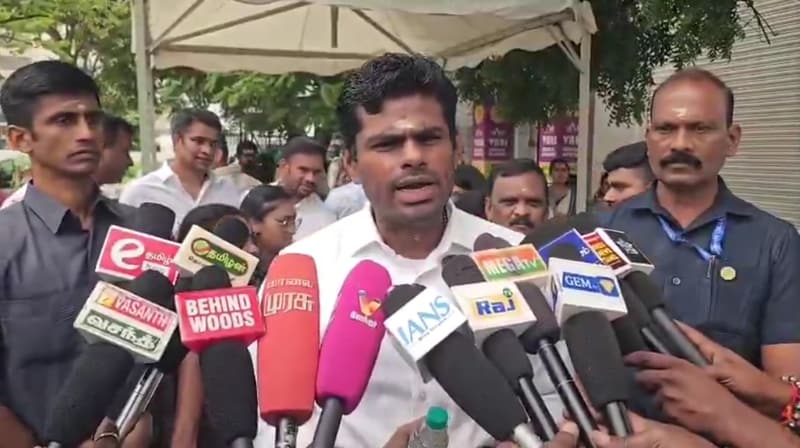
Annamalai slams Vijay Govt. over Thiruparankundram Deepam row; demands implementation of HC orders
More from Politics
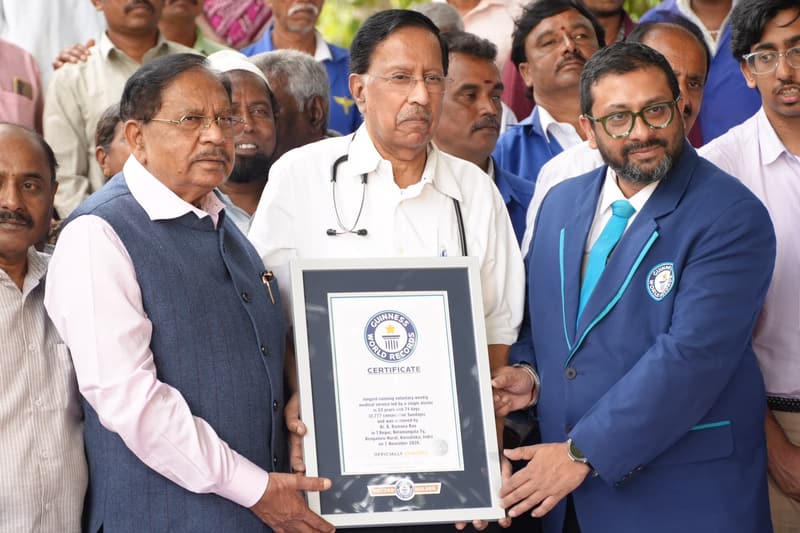
Padma Shri Dr B. Raman Rao enters Guinness World Records for treating over 33 lakh patients over 2777 Sundays

Rahul Gandhi calls for rethinking democracy and economic models amid growing influence of tech giants