Don’t wait for the warning: Amor Hospitals takes heart health message to the workplace
Heart disease does not always announce itself with chest pain or dramatic warning signs. High blood pressure, diabetes, high cholesterol and other cardiovascular risk factors can remain unnoticed for years — making early screening and awareness critical.

Driving home this message on World Heart Day, Amor Hospitals organised a Heart Health Awareness Camp at Lift Trade Pvt. Ltd. in Hyderabad, where more than 200 employees were screened and counselled on cardiovascular health.
The initiative focused not merely on screening, but on encouraging employees to understand their risk factors, recognise potential warning signs and seek timely medical advice wherever further evaluation was required.
Dr. Kishore B. Reddy, Managing Director, Amor Hospitals, said heart health should not become a priority only after symptoms appear. He stressed that regular health assessments and awareness can help identify potential concerns early, while workplace initiatives can make preventive healthcare more accessible to employees.
“Do not wait for a health problem to become serious before seeking medical attention,” was the central message of the initiative.
Dr. Imran, Cardiologist, Amor Hospitals, pointed out that cardiovascular risk factors can remain silent for long periods. He urged people, particularly those with a family history of heart disease or sedentary lifestyles, to know their health numbers and take appropriate medical advice.
The camp also highlighted the importance of sustainable lifestyle changes, including regular physical activity, healthier eating habits and better management of stress.
Avinash Challa, Managing Director, Lift Trade Pvt. Ltd., said employee well-being was a priority and thanked Amor Hospitals for bringing preventive healthcare directly to the workplace.
With the World Heart Federation’s 2026 campaign, “Don’t Miss a Beat,” the initiative carried a simple but powerful message: knowing your risks, recognising warning signs and acting early can make heart health a daily responsibility — not an emergency response.
More from Telangana


More from Dakshin
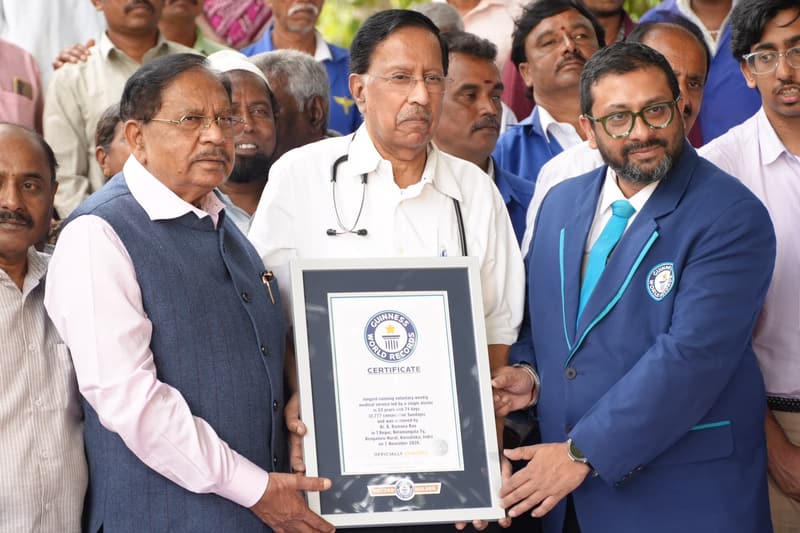
Padma Shri Dr B. Raman Rao enters Guinness World Records for treating over 33 lakh patients over 2777 Sundays

Shree Cement unveils ₹7,000 crore investment plans for three cement plants in Andhra Pradesh