El Niño 2026: Why South India cannot afford to ignore the warning signs
South India is entering the final phase of the 2026 monsoon with a worrying climate signal developing thousands of kilometres away in the Pacific Ocean. A strengthening El Niño, which climate agencies expect to persist into early 2027, is already being linked to rainfall deficits across parts of the southern peninsula.
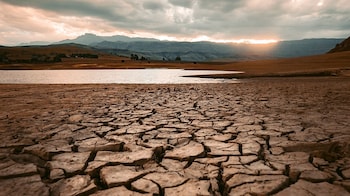
The warning is particularly relevant for Karnataka, Telangana and Andhra Pradesh, where deficient southwest monsoon rainfall has put pressure on agriculture, reservoirs, groundwater and rural livelihoods.
Karnataka has emerged as one of the most closely watched regions. The Karnataka State Natural Disaster Monitoring Centre has warned that the State could face severe drought conditions in 2027 if El Niño persists beyond February-March. As of September 16, 30 of Karnataka’s 31 districts were in the rainfall-deficient category, according to the Centre.
Andhra Pradesh has also experienced a sharply deficient southwest monsoon. Between June 1 and September 5, the State recorded 204.8 mm of rainfall against a normal 378.6 mm, a deficit of 46%, according to data cited from the India Meteorological Department. The shortfall has implications for kharif crops, reservoir storage and drinking-water availability.
Telangana, meanwhile, ended the southwest monsoon with rainfall 15% below normal according to Telangana State Development Planning Society data, while IMD figures indicated an even larger deficit. Sixteen of the State’s 33 districts were classified as deficient.
The broader concern is that El Niño is expected to continue influencing the climate into the coming winter. The Union government has said INCOIS assessments indicate a 70–90% probability of El Niño persisting through February 2027, while stressing that its impact depends on other climate drivers, including the Indian Ocean Dipole and Madden-Julian Oscillation.
For South India, therefore, the question is no longer simply how much rain falls, but when it falls, where it falls and whether it replenishes reservoirs and soil moisture.
The coming months will be crucial for water management, rabi agriculture, drinking-water planning and drought preparedness across the southern peninsula.
More from Telangana



More from Environment

NHAI begins survey for 43-km elevated corridor to Srisailam; night travel could become possible

Cyberabad Police plan one-way traffic loop to ease congestion in Hyderabad’s IT corridor near IKEA junction