El Niño tightens grip: South India braces for a dry post-monsoon season
South India is entering the post-monsoon season with heightened concerns over rainfall, water availability and agriculture as a strengthening El Niño pattern raises the prospect of below-normal precipitation across much of the country between October and December.
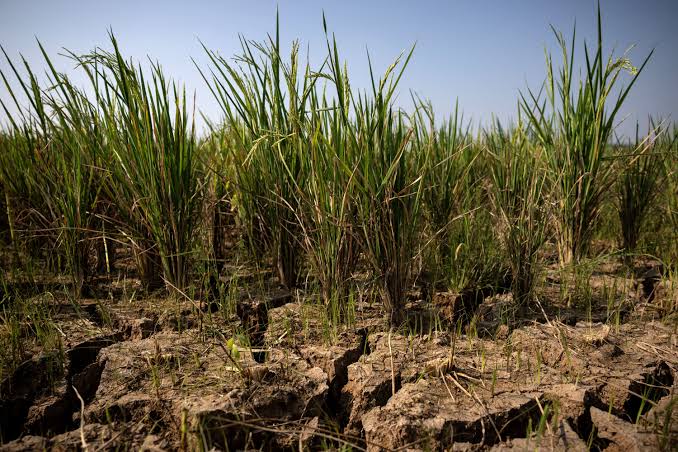
The warning comes as India's southwest monsoon officially ended on Wednesday with rainfall about 13% below normal. The country received around 759.4 mm of rain against the long-period average of 868.6 mm, making 2026 the fourth-lowest monsoon season since 2001, according to the India Meteorological Department (IMD).
For the southern States, the implications are particularly important because the October-December northeast monsoon is a major source of rainfall for parts of the peninsula, especially Tamil Nadu and adjoining areas.
The IMD has indicated that most parts of the country could receive below-normal rainfall during the post-monsoon season. At the same time, weather scientists caution that El Niño does not produce identical impacts across South India. The eventual rainfall pattern will also depend on other ocean-atmosphere factors, including the Indian Ocean Dipole.
Karnataka, which has already faced severe rainfall deficits during the southwest monsoon, is particularly dependent on the coming months for additional reservoir inflows. IMD scientists in Bengaluru have said a neutral-to-positive Indian Ocean Dipole could provide some support to northeast monsoon rainfall over parts of the State, although it cannot guarantee normal rainfall.
The wider water-security picture is already under pressure. As of September 28, storage in 92 major reservoirs across southern India stood at about 50% of capacity, substantially below the level recorded a year earlier, according to Central Water Commission data reported by The Indian Express.
For Telangana and Andhra Pradesh, the post-monsoon outlook will be closely watched for its implications for reservoir levels, groundwater recharge, rabi agriculture and drinking-water planning.
The emerging message for South India is therefore not simply about whether the region will receive rain, but how much, where and when it arrives—making water conservation and contingency planning increasingly important as El Niño strengthens.
More from Beyond Dakshin
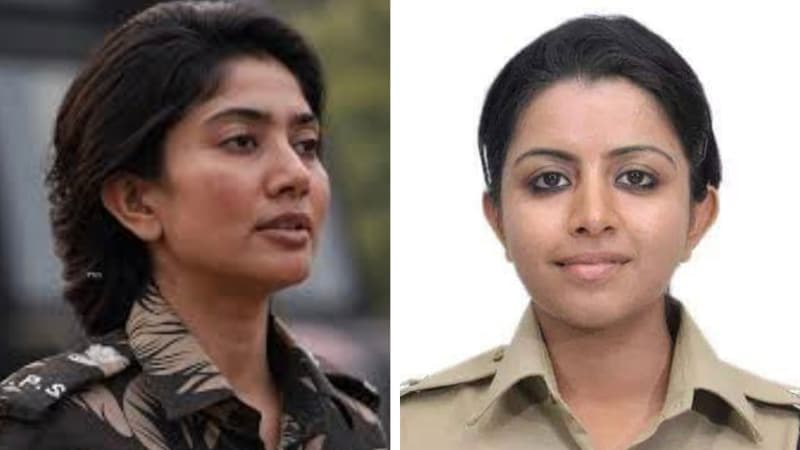
Sai Pallavi cuts her hair for ‘OM’, takes inspiration from IPS officer Merin Joseph; mother reacts in shock

Mahesh Babu–Rajamouli’s ‘Varanasi’ eyes record ₹290 crore Telugu States deal, set to surpass ‘RRR’

Allu Arjun lines up mythological pan-India spectacle with Boyapati Sreenu after ‘Raaka’!
More from Environment

NHAI begins survey for 43-km elevated corridor to Srisailam; night travel could become possible
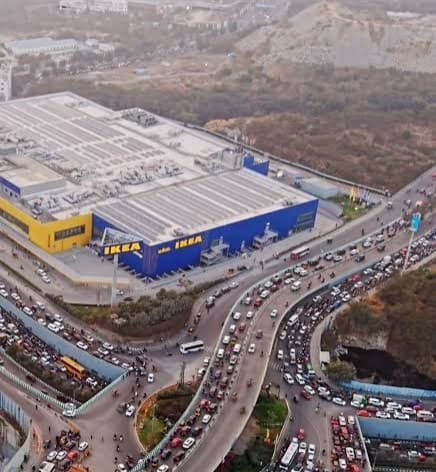
Cyberabad Police plan one-way traffic loop to ease congestion in Hyderabad’s IT corridor near IKEA junction