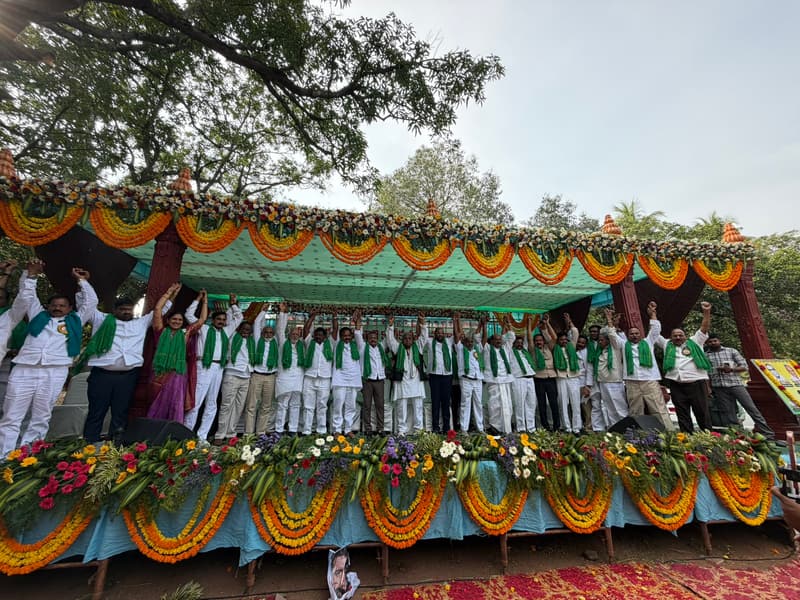
Five questions that could determine the Modi government’s political future: Political observers
Economic growth alone cannot define development. Poverty reduction, social mobility, institutional accountability and environmental sustainability must also be considered while assessing a government’s performance, argues few political observers in this assessment of the Narendra Modi government.
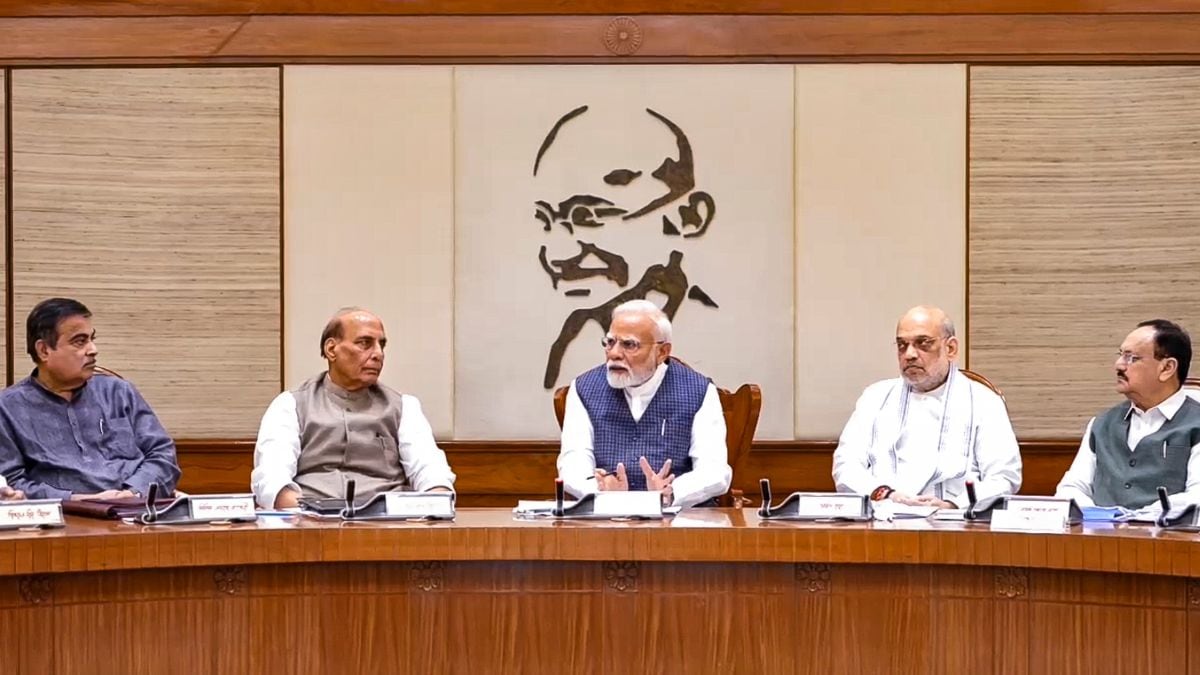
India’s emergence as the world’s fifth-largest economy is frequently cited as a major achievement of the Modi government. However, the more fundamental question is whether this economic expansion has translated into better lives and greater opportunities for ordinary citizens.
The World Bank’s approach to development encompasses much more than economic growth, including social and institutional transformation aimed at ending poverty and promoting shared prosperity. Similarly, the United Nations Development Programme (UNDP) views poverty as a multidimensional condition that goes beyond a lack of income to include limited choices, opportunities and access to a decent standard of living.
These perspectives raise five questions that could offer a more meaningful assessment of the government’s performance:
* Have people’s opportunities improved?
* Has the quality of life become better?
* What is the state of social conditions?
* How effectively are public institutions functioning?
* What is happening to the environment?
Citizens, regardless of their political or ideological affiliations, would benefit from examining these questions honestly.
The provision of free food grains to around 80–81.35 crore beneficiaries under the Pradhan Mantri Garib Kalyan Anna Yojana is a significant welfare intervention. However, the scale of food assistance also highlights the importance of examining the broader dimensions of deprivation. Access to food alone cannot establish whether people have adequate employment opportunities, quality education, affordable healthcare and the means to improve their living standards.
The growing discontent among sections of the youth and intellectual community, the author argues, should be understood in this wider context. Young people taking to the streets are not necessarily doing so because they have nothing better to do. Their concerns may reflect anxieties about employment, opportunity, social mobility and their future.
Equally troubling is the tendency to portray those questioning the government as anti-national, anti-Hindu or influenced by hostile external forces. Criticism is an essential part of democratic accountability, and dismissing uncomfortable questions does not resolve the problems behind them.
This does not mean the Modi government has achieved nothing in its 12 years in power. Such a conclusion would amount to indiscriminate opposition. However, relying indefinitely on familiar political themes centred on Pakistan and religious identity may not adequately address citizens’ aspirations for a better quality of life.
The author believes the BJP has already received warning signals. Its failure to achieve the ambitious 400 paar target in the 2024 Lok Sabha elections, followed by its dependence on coalition partners to form the government for a third consecutive term, demonstrated the limits of its electoral dominance.
The BJP’s political challenge, according to this assessment, lies in understanding why public dissatisfaction may be growing and responding with a credible programme of corrective action. The party has capable leaders and intellectual resources, but the crucial test is whether it can translate that capacity into meaningful policy changes.
The author acknowledges that this assessment is based on a small qualitative survey rather than a large, scientifically representative study. A more comprehensive survey in a year could offer a clearer picture of public sentiment.
Nevertheless, the central argument is that voters continually evaluate governments through their everyday experiences, even when they do not articulate their concerns in the form of formal questions.
The author sees the BJP as moving towards a potentially difficult political phase unless it undertakes a mid-term review and addresses shortcomings in governance. Otherwise, Rahul Gandhi or Priyanka Gandhi Vadra could benefit politically from the ruling party’s inability to respond to changing public expectations.
Ultimately, the government’s future may depend less on the strength of its political slogans and more on how convincingly it answers five basic questions about opportunity, living standards, society, institutions and the environment.
More from Beyond Dakshin
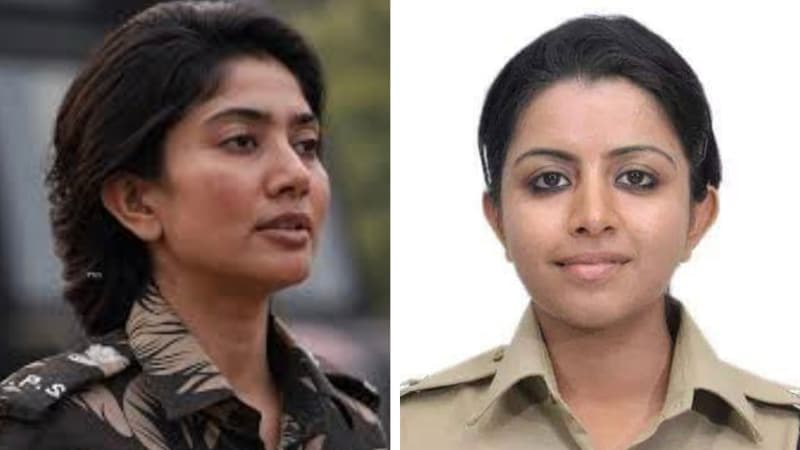
Sai Pallavi cuts her hair for ‘OM’, takes inspiration from IPS officer Merin Joseph; mother reacts in shock
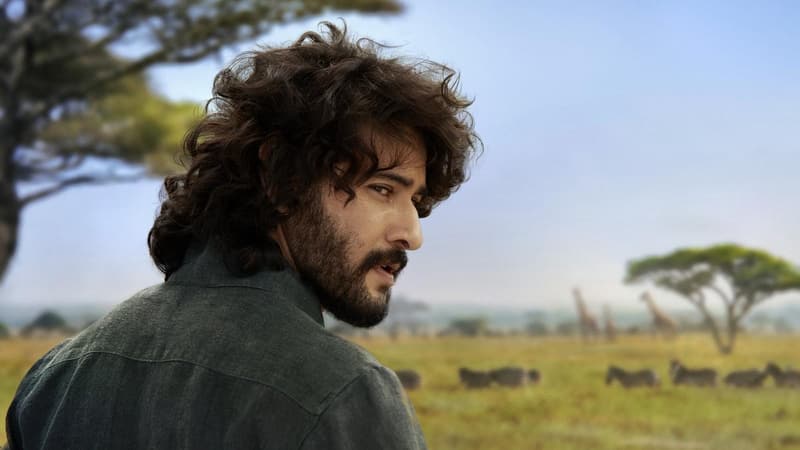
Mahesh Babu–Rajamouli’s ‘Varanasi’ eyes record ₹290 crore Telugu States deal, set to surpass ‘RRR’
Allu Arjun lines up mythological pan-India spectacle with Boyapati Sreenu after ‘Raaka’!
More from Politics
Padma Shri Dr B. Raman Rao enters Guinness World Records for treating over 33 lakh patients over 2777 Sundays
Rahul Gandhi calls for rethinking democracy and economic models amid growing influence of tech giants