From P.V. Narasimha Rao to Satya Nadella: The remarkable Telugu connection to Microsoft
An interesting analogy tracing Microsoft's growth through the contributions of prominent Telugu personalities has drawn attention to the influence of Andhra Pradesh and Telangana on India's economic liberalisation, technological development and global IT industry
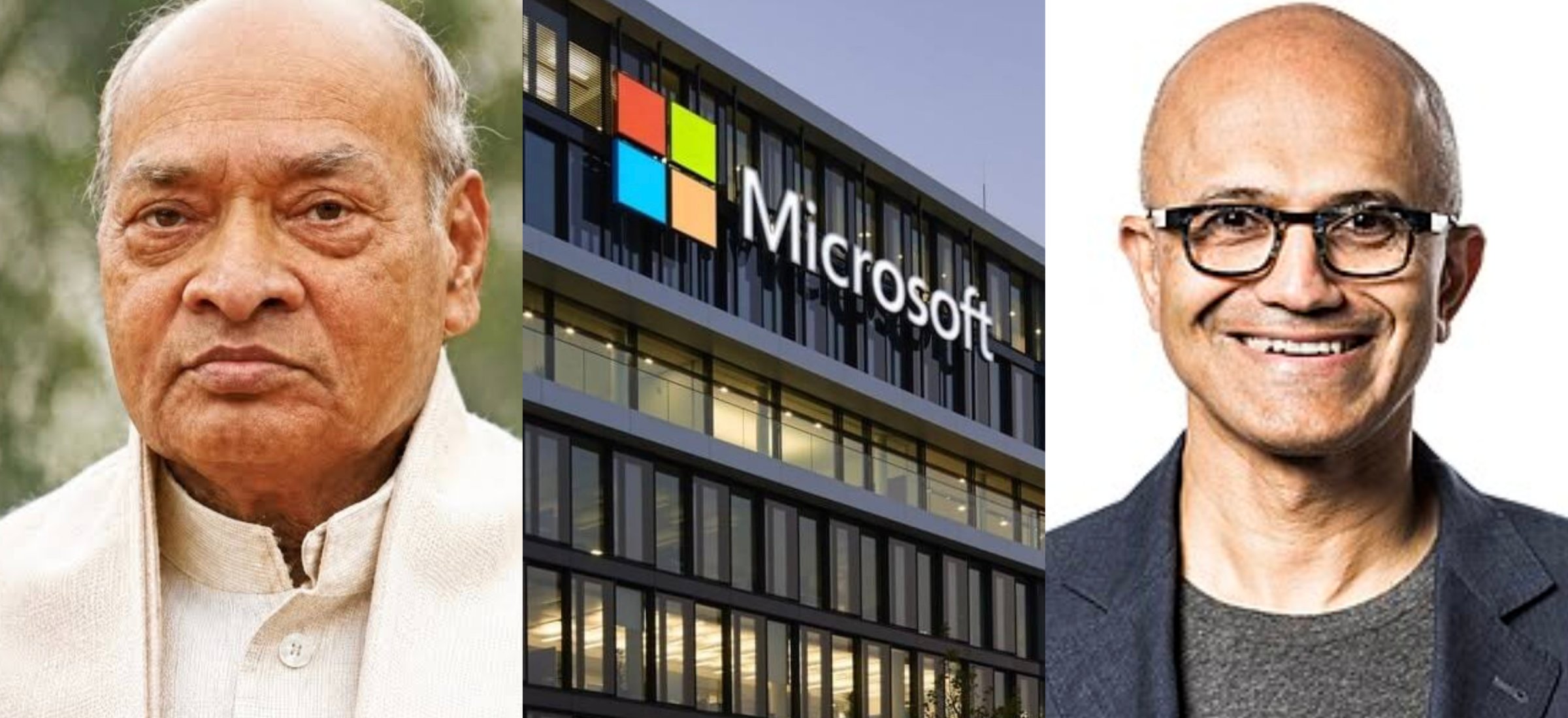
At the centre of this narrative is former Prime Minister P.V. Narasimha Rao, the Telugu statesman who initiated India's landmark economic liberalisation programme in 1991. His government's reforms opened the Indian economy to global investment, international technology companies and greater private-sector participation, laying the foundations for the country's emergence as a major technology market.
Among the senior bureaucrats associated with Rao's administration was B.N. Yugandhar, an accomplished IAS officer who served in important policymaking positions. His son, Satya Nadella, would eventually rise to become the chairman and chief executive officer of Microsoft, one of the world's most influential technology companies.
The connection between Narasimha Rao, Yugandhar and Nadella presents a fascinating generational story of public administration, economic transformation and technological leadership.
Hyderabad adds another important dimension to this narrative. During his tenure as Chief Minister of undivided Andhra Pradesh, N. Chandrababu Naidu actively pursued global technology investments and played a significant role in attracting Microsoft to Hyderabad. The company's India Development Center, established in Hyderabad in 1998, subsequently grew into one of its most important engineering and research operations outside the United States.
The city's transformation into a major technology destination also created opportunities for generations of engineers from the Telugu states to participate in the global software industry.
Another important element is the educational ecosystem that produced thousands of engineering graduates. Renowned mathematics educator Chukka Ramaiah, popularly associated with IIT entrance coaching, helped inspire generations of students aspiring to enter India's premier engineering institutions.
Similarly, the Chaitanya and Narayana educational networks developed extensive coaching systems that prepared large numbers of students for competitive examinations and admission to institutions such as the IITs, NITs and BITS.
These institutions became part of a broader educational culture that encouraged engineering and technology careers, contributing to the talent pool available to multinational companies, including Microsoft.
The analogy brings together four distinct developments: Narasimha Rao's economic reforms, Yugandhar's administrative legacy through his son Satya Nadella, Chandrababu Naidu's efforts to attract technology investments and the educational institutions that nurtured engineering talent.
However, the suggestion that Microsoft would have been deprived of a billion software licences without India's liberalisation is a rhetorical claim rather than an established economic estimate. Similarly, Microsoft's global success cannot be attributed to any single region or community.
Microsoft remains an American multinational corporation, but its leadership, engineering operations and workforce demonstrate the considerable contribution of Indian professionals, including those from the Telugu states.
The description of Microsoft as a Telugu company is therefore best understood as an expression of regional pride rather than a statement about its ownership or corporate identity.
Nevertheless, the story illustrates how economic policy, administrative leadership, political vision and educational ambition converged over several decades to establish Hyderabad and the Telugu states as influential contributors to the global technology economy.
More from Beyond Dakshin
Sai Pallavi cuts her hair for ‘OM’, takes inspiration from IPS officer Merin Joseph; mother reacts in shock

Mahesh Babu–Rajamouli’s ‘Varanasi’ eyes record ₹290 crore Telugu States deal, set to surpass ‘RRR’
Allu Arjun lines up mythological pan-India spectacle with Boyapati Sreenu after ‘Raaka’!
More from Dakshin
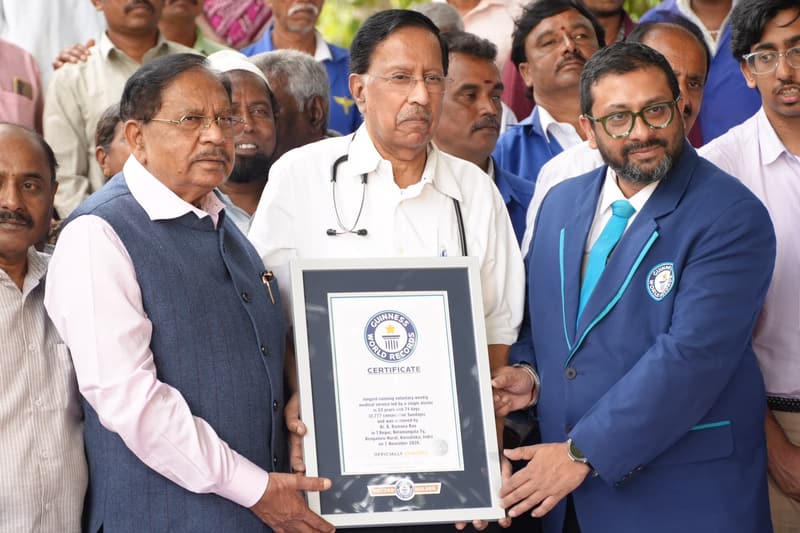
Padma Shri Dr B. Raman Rao enters Guinness World Records for treating over 33 lakh patients over 2777 Sundays

Shree Cement unveils ₹7,000 crore investment plans for three cement plants in Andhra Pradesh