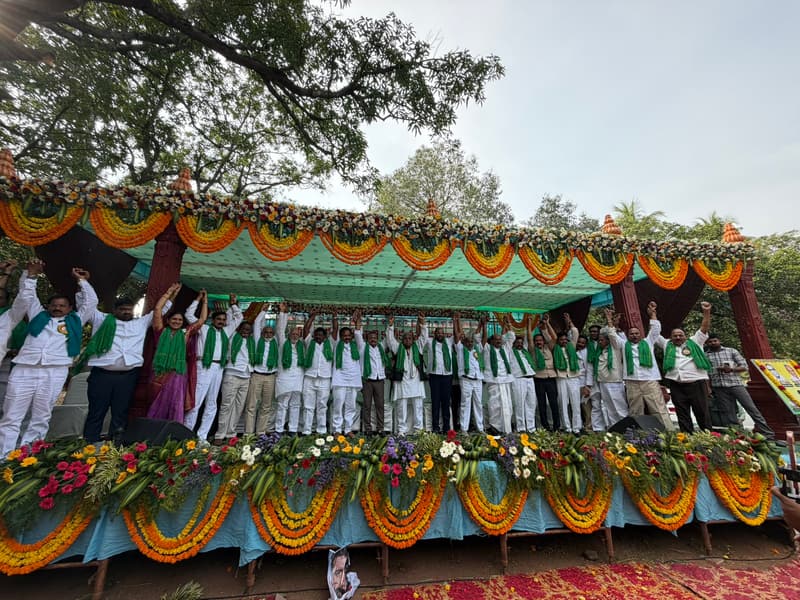
From “SIR” to “No Voter Left Behind”: ECI’s damage-control drive raises questions over voter deletions
After facing mounting criticism over large-scale voter deletions during the Special Intensive Revision (SIR) of electoral rolls, the Election Commission of India (ECI) has directed states where the exercise has been completed to launch special enrolment drives for eligible voters who may have been left out.
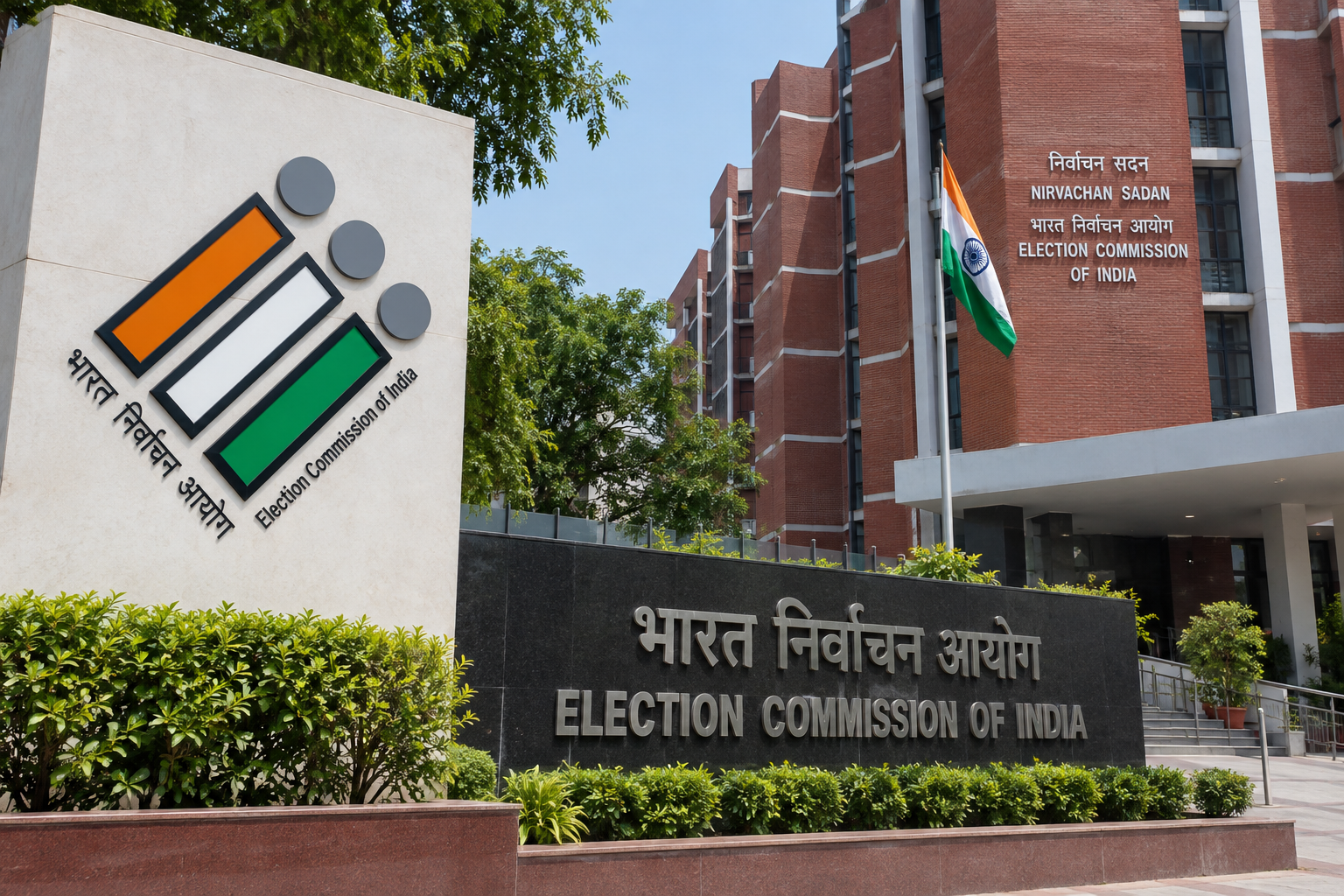
The Commission’s new slogan, “No Voter To Be Left Behind”, has brought renewed attention to the very concern repeatedly raised by Opposition parties and civil society groups: whether the revision process has inadvertently excluded eligible citizens from the electoral rolls.
Under its October 1 directive, the ECI has asked electoral authorities to compare current voter lists with pre-SIR rolls, identify eligible voters whose names are missing and facilitate their enrolment. Booth-level officers have also been directed to reach out to first-time and young voters.
The announcement comes amid growing scrutiny of the SIR exercise, which has resulted in more than 13 crore names being removed from draft electoral rolls across states and Union Territories. The deletions include people categorised as deceased, shifted, absent or duplicate, while critics have questioned whether adequate safeguards were in place to protect genuine voters. The removal of a name from a draft roll does not, by itself, establish that the person was an eligible voter wrongly excluded.
The Opposition has consistently argued that electoral roll revision must not become a process in which genuine voters are forced to fight to reclaim their constitutional right to vote. The launch of a special drive to identify and enrol those left out lends urgency to that demand, even as the Commission maintains that voter enrolment is a continuous process.
The political question now is whether the new initiative will translate into effective restoration of eligible voters’ names or remain an administrative exercise without transparent, measurable outcomes.
The ECI must demonstrate how many eligible voters were excluded, how many have been identified through the special drive and how many have successfully regained their place on the rolls. State-wise and constituency-wise disclosure of these figures would help establish whether the corrective measures are working.
The controversy has also intensified demands for greater transparency in the functioning of the poll panel and stronger safeguards against wrongful deletion. Protests by Opposition parties and civil society organisations have kept voter rights at the centre of the national debate.
For Chief Election Commissioner Gyanesh Kumar and the Commission, the challenge is no longer simply to announce that no voter will be left behind. It is to establish, through verifiable action and public data, that no eligible citizen has been denied the right to vote.
A voter’s place on the electoral roll is not a favour granted by the state. It is a fundamental component of meaningful democratic participation. The credibility of the SIR exercise will ultimately be judged not by its slogans, but by whether every eligible citizen can exercise that right without avoidable obstacles.
More from Beyond Dakshin
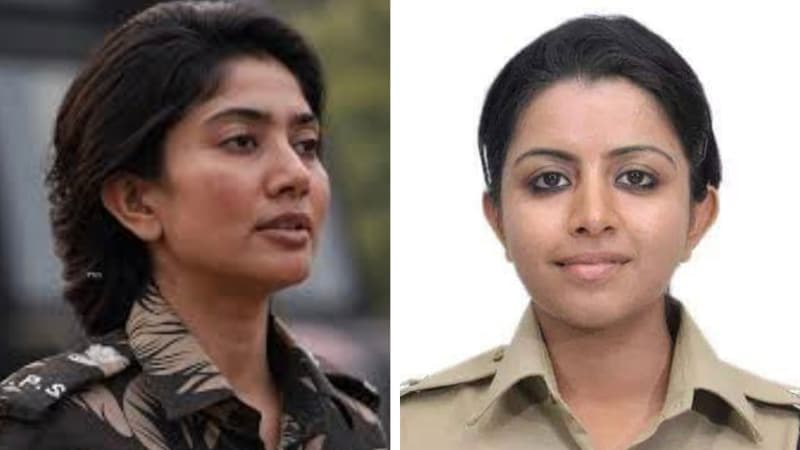
Sai Pallavi cuts her hair for ‘OM’, takes inspiration from IPS officer Merin Joseph; mother reacts in shock

Mahesh Babu–Rajamouli’s ‘Varanasi’ eyes record ₹290 crore Telugu States deal, set to surpass ‘RRR’

Allu Arjun lines up mythological pan-India spectacle with Boyapati Sreenu after ‘Raaka’!
More from Politics
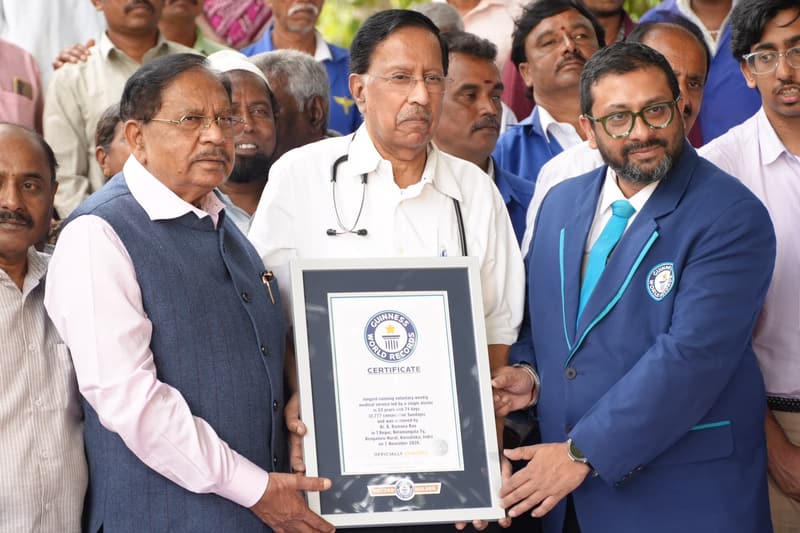
Padma Shri Dr B. Raman Rao enters Guinness World Records for treating over 33 lakh patients over 2777 Sundays
Rahul Gandhi calls for rethinking democracy and economic models amid growing influence of tech giants