Raman Subba Row: A Remarkable Journey
The story of Raman Subba Row, the England cricketer and administrator whose father hailed from Andhra Pradesh, is a fascinating chapter in the history of English cricket.
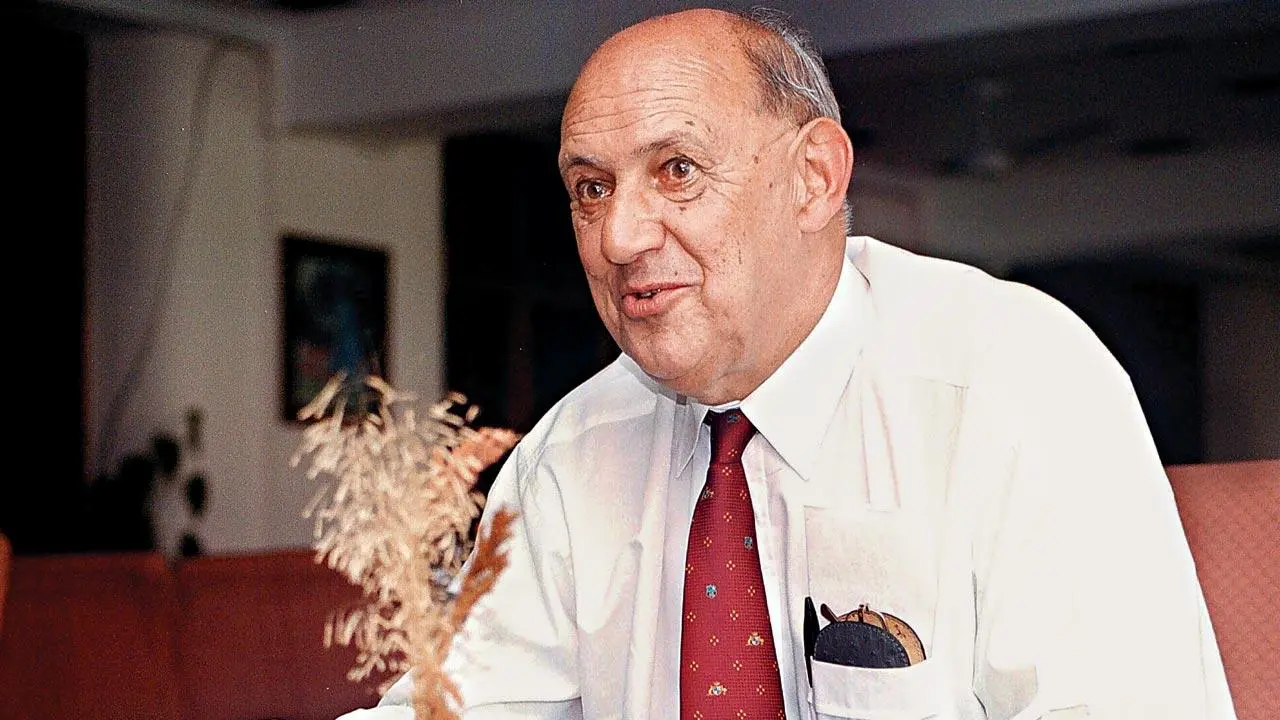
Born in Streatham, London, in 1932, Raman was the son of Panguluri Venkata Subba Rao, a barrister from Bapatla in present-day Andhra Pradesh. His father had travelled to Britain for higher studies, eventually settling there and marrying an Englishwoman. Raman’s surname was later rendered as “Subba Row”.
Raman developed into a talented left-handed opening batsman at Cambridge University before playing county cricket for Surrey and Northamptonshire. He became Northamptonshire captain in 1958 and went on to make his England debut that year.
He played 13 Tests for England between 1958 and 1961, scoring three centuries and averaging 46.85. He was named one of Wisden’s Cricketers of the Year in 1961. Remarkably, he retired from international cricket at just 29, choosing to pursue a professional career outside the game.
His influence on cricket, however, was far from over.
Subba Row subsequently became chairman of Surrey and later headed the Test and County Cricket Board (TCCB), the predecessor of today’s England and Wales Cricket Board. During his tenure, he played an important role in modernising English cricket and reducing the traditional administrative dominance of the Marylebone Cricket Club.
He later served as an international match referee and remained deeply connected with the sport.
Despite being born and raised in England, Subba Row maintained a strong connection with his father’s homeland. During England’s 1981-82 tour of India, he visited Bapatla, where he was felicitated by local cricket enthusiasts.
Raman Subba Row died in April 2024 aged 92, leaving behind a legacy that connects Bapatla in Andhra Pradesh with some of the most important chapters in the evolution of English cricket.
More from Andhra Pradesh

Shree Cement unveils ₹7,000 crore investment plans for three cement plants in Andhra Pradesh

AP plans ₹25,000 crore space manufacturing ecosystem, secures major investments in rocket technology
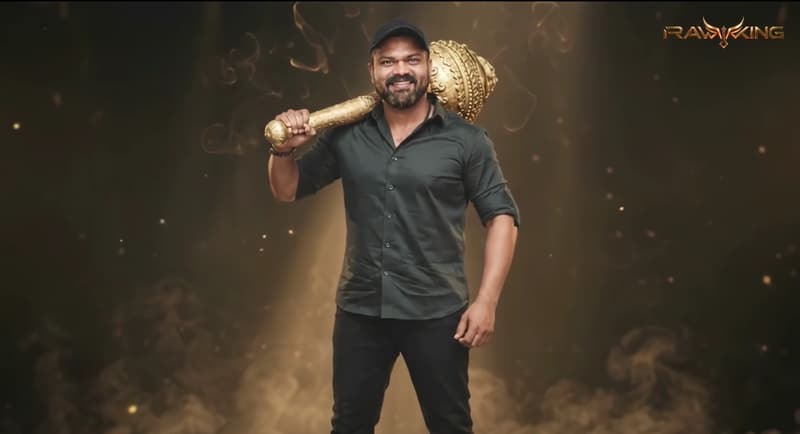
Manchu Manoj named Andhra Yuva Sankalp 2K26 Ambassador; initiative reaches all 28 AP districts
More from Sports
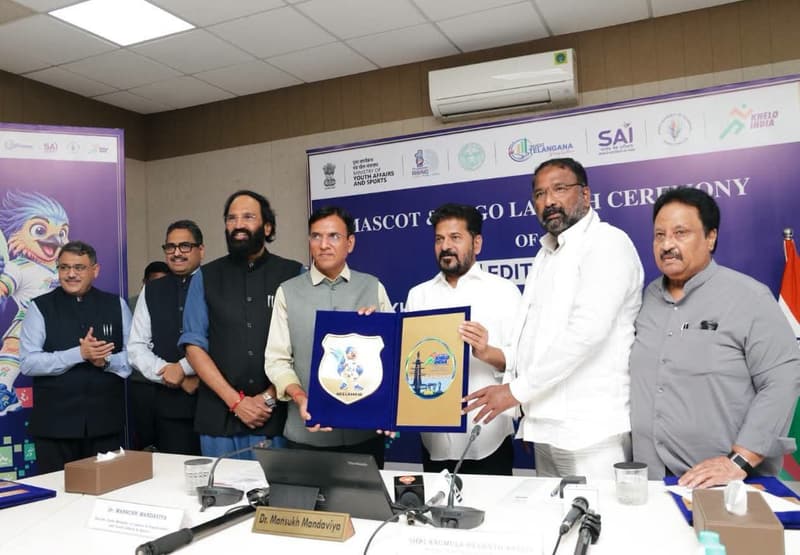
Telangana unveils Khelo India Youth Games 2026 logo and mascots; over 7,000 athletes to compete in 27 disciplines
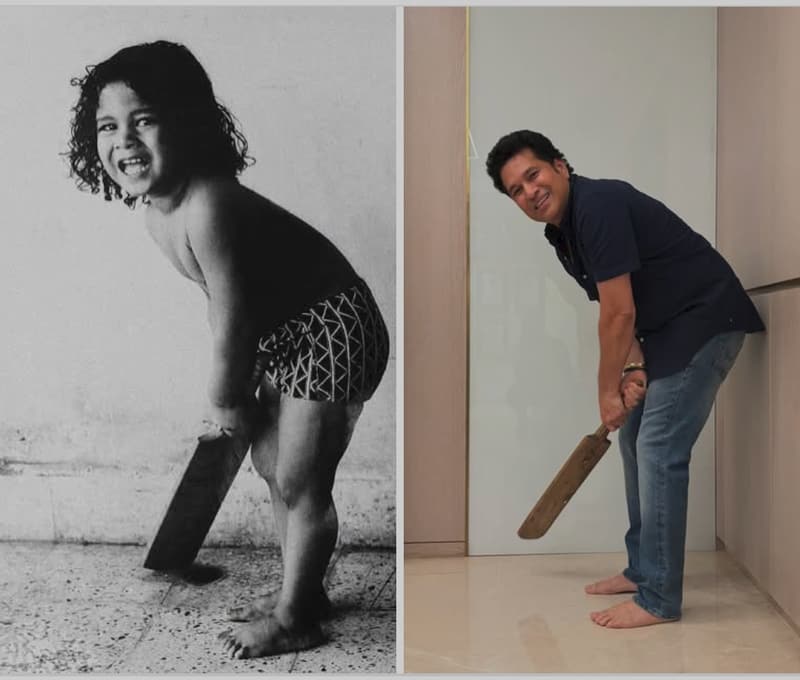
49 Years, One Bat, Countless Memories: Sachin Tendulkar's nostalgic post wins hearts