H-4 EAD debate raises concerns over anti-Indian rhetoric in the US
A renewed US debate over employment rights for spouses of H-1B visa holders has triggered concerns among Indian-American communities, amid reports of increasingly hostile rhetoric directed at Indians and Indian-origin residents in parts of the country.
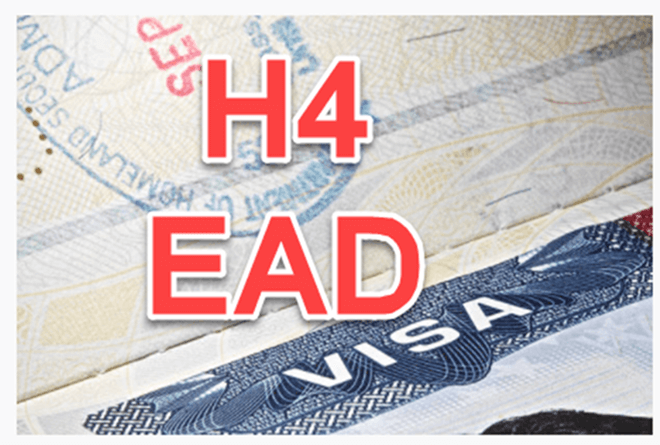
The controversy follows a US Department of Homeland Security (DHS) proposal to reconsider the H-4 Employment Authorization Document (EAD) programme. The proposal, listed in the 2026 regulatory agenda, would remove certain H-4 dependent spouses from the categories eligible to seek employment authorization. However, it remains a regulatory proposal and existing eligible H-4 EAD holders can continue to work under current rules.
Social-media posts supporting the withdrawal of H-4 EAD have claimed that as many as 600,000 jobs could become available to Americans if the programme were ended. That figure should not be presented as an established number of jobs that would automatically return to American workers. Available reporting and government documents do not establish such an outcome or a two-to-three-month timeframe.
At the same time, concerns over the immigration debate extending into anti-Indian rhetoric have been documented. Reporting has highlighted instances of social-media hate speech and confrontations involving Indian-origin residents, particularly amid arguments over H-1B visas and employment.
The issue has therefore acquired a dimension beyond immigration policy. Indian professionals account for a substantial share of H-1B beneficiaries, while historical Congressional Research Service data showed that Indians constituted about 93% of approved H-4 EAD applications during 2014–2017.
Indian community representatives have urged the governments of India and the US to remain attentive to the possibility that heated immigration rhetoric could spill over into hostility against law-abiding Indian families. They argue that policy disagreements should not translate into stereotyping, harassment or discrimination, particularly against families who have legally lived and worked in the United States for years.
More from Beyond Dakshin

Sai Pallavi cuts her hair for ‘OM’, takes inspiration from IPS officer Merin Joseph; mother reacts in shock

Mahesh Babu–Rajamouli’s ‘Varanasi’ eyes record ₹290 crore Telugu States deal, set to surpass ‘RRR’

Allu Arjun lines up mythological pan-India spectacle with Boyapati Sreenu after ‘Raaka’!
More from Politics
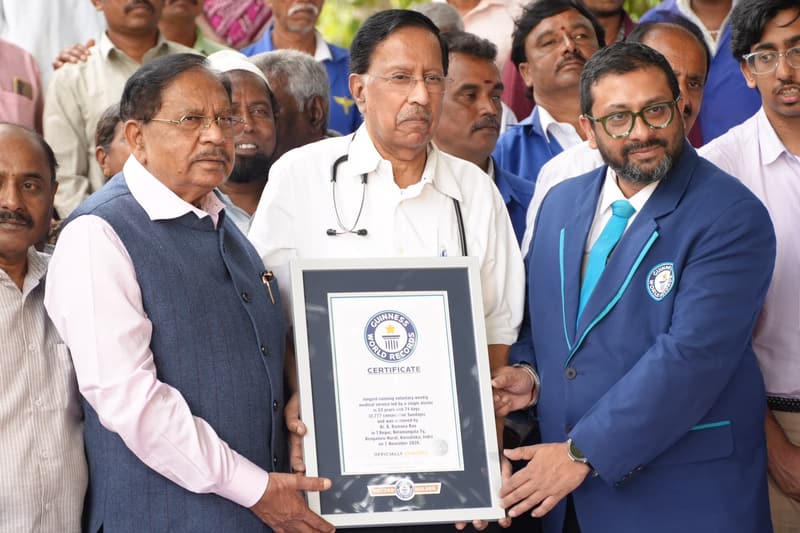
Padma Shri Dr B. Raman Rao enters Guinness World Records for treating over 33 lakh patients over 2777 Sundays
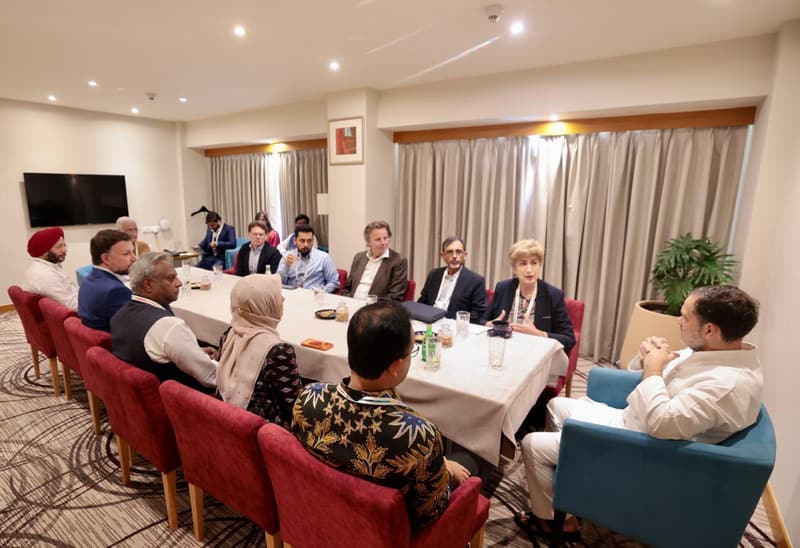
Rahul Gandhi calls for rethinking democracy and economic models amid growing influence of tech giants