How ‘Sonaji-guda’ became Somajiguda: The legend behind Hyderabad’s famous locality
Somajiguda, today one of Hyderabad’s prominent commercial and residential neighbourhoods, has a name that is believed to have its roots in the city’s 19th-century history.
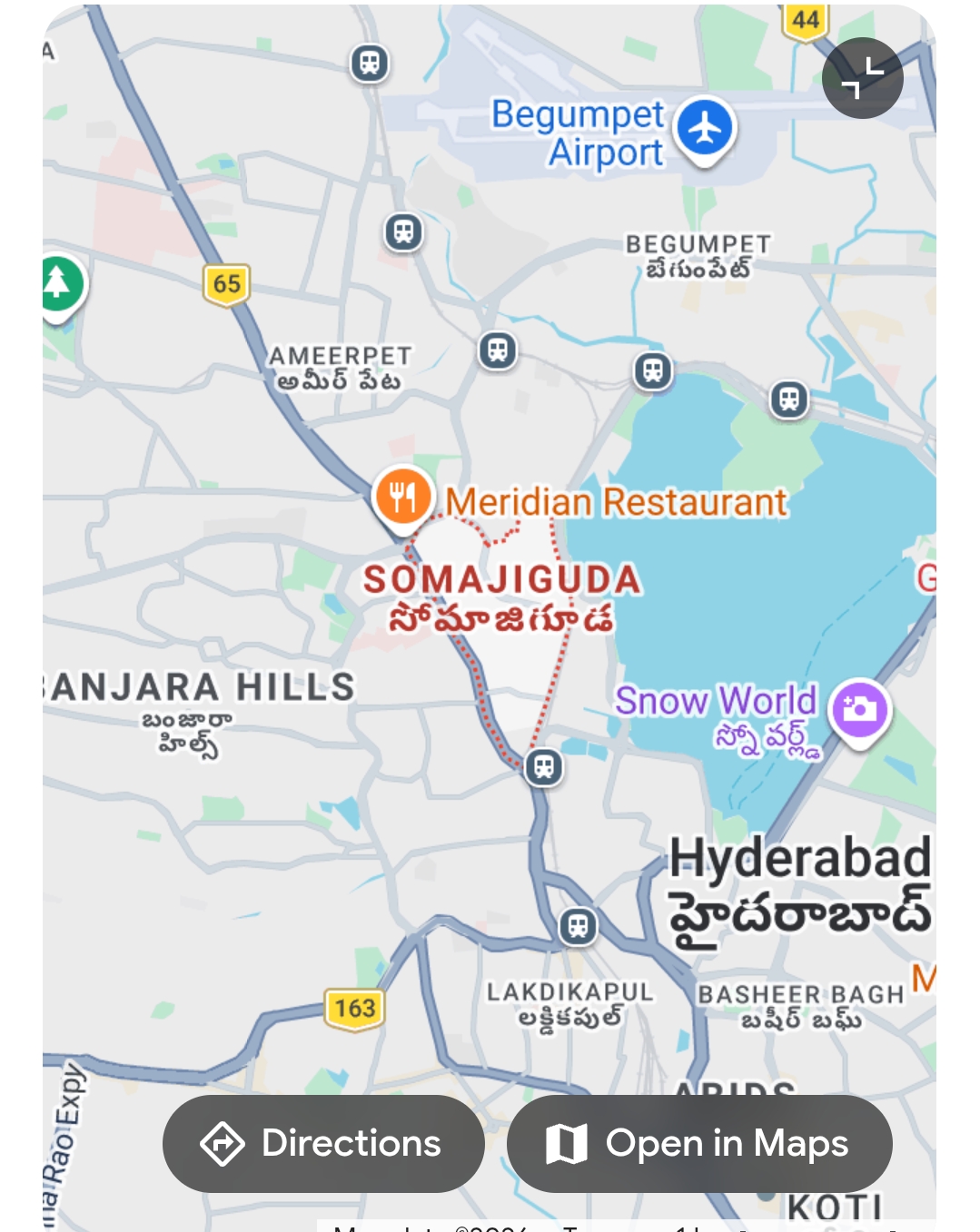
According to historical accounts, the locality was named after Sonaji Pandit, a revenue official or Daftardar associated with the estate of Raja Rai Rayan, a nobleman in Hyderabad. The references place Sonaji Pandit’s association with the area around 1853, during the reign of Nasir-ud-Daulah.
Historical accounts state that a mansion was built for Sonaji Pandit in recognition of his services. He is believed to have lived in the mansion for the rest of his life. The residence subsequently became closely associated with his name, giving rise to the locality's earlier name, “Sonaji-Guda.”
The second part of the name also carries a linguistic connection to Telugu usage. “Guda” is described in historical references as referring to a place or habitation. Over time, Sonaji-Guda gradually became “Somaji-Guda” and eventually “Somajiguda”, through changes in popular usage and pronunciation.
The story offers a glimpse into how several Hyderabad localities acquired their present-day names from people, occupations, rulers and historical landmarks. Somajiguda is among the neighbourhoods whose modern identity continues to carry a trace of the city's 19th-century administrative history.
Today, the area around Raj Bhavan Road is known as an important commercial centre, with offices, banks, automobile showrooms, hotels, restaurants and other establishments. Yet beneath its contemporary urban character remains the older story of a revenue official whose name, according to historical accounts, eventually became part of Hyderabad's geographical vocabulary.
From Sonaji Pandit to Somajiguda, the name reflects how Hyderabad’s history survives not only in monuments and archives, but also in the names of the streets and neighbourhoods people pass through every day.
More from Telangana



More from Entertainment

Sai Pallavi cuts her hair for ‘OM’, takes inspiration from IPS officer Merin Joseph; mother reacts in shock

Mahesh Babu–Rajamouli’s ‘Varanasi’ eyes record ₹290 crore Telugu States deal, set to surpass ‘RRR’