Human-Elephant conflict claimed 522 lives and 216 elephants in 25 yrs
Karnataka is facing a persistent human-elephant conflict, with 522 people and 216 elephants reportedly losing their lives in incidents linked to the conflict, highlighting the growing pressure on both communities and wildlife.
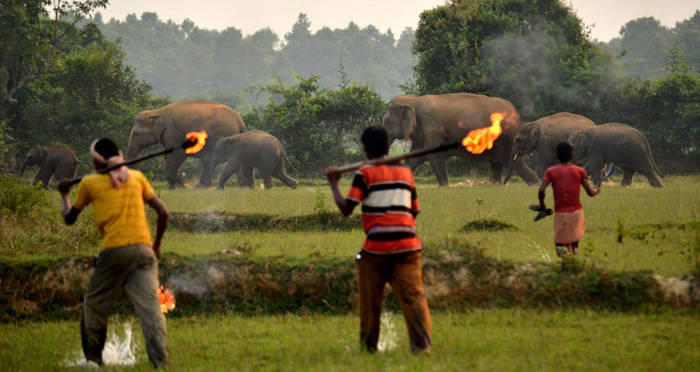
A recent assessment by the Wildlife Institute of India (WII) and the Project Elephant Division of the Union Environment Ministry has documented the long-term pattern of human-elephant conflict in Karnataka from 2000 to 2025. The study identifies habitat fragmentation, infrastructure development and expanding human settlements as major factors behind the escalating confrontation.
Karnataka has one of India’s largest populations of free-ranging Asian elephants. As forests and traditional elephant habitats become increasingly fragmented by roads, railways, power infrastructure and agricultural expansion, animals are increasingly coming into contact with human settlements.
The conflict has consequences on both sides. Besides human fatalities and crop damage, elephants face deadly risks from railway and road accidents, electrocution and other human-induced hazards. A Karnataka High Court record notes that electrocution, particularly through illegal electric fencing and sagging power lines, has been a significant cause of unnatural elephant deaths in the state.
The WII report stresses that the problem is concentrated in specific landscapes rather than being uniformly distributed across Karnataka. It calls for hotspot-based interventions, stronger early-warning mechanisms, safer infrastructure and closer coordination between forest authorities and local communities.
The wider South India Regional Action Plan on Human-Elephant Conflict similarly recommends protecting wildlife corridors, improving habitat management, deploying rapid-response systems and involving communities in prevention efforts.
The figures underline the difficult challenge of balancing Karnataka’s development needs with the protection of one of its most iconic wildlife species.
More from Karnataka
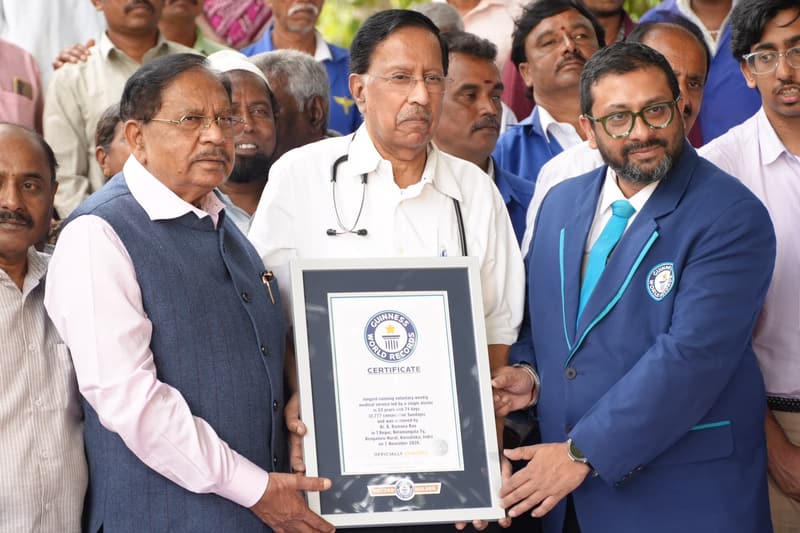
Padma Shri Dr B. Raman Rao enters Guinness World Records for treating over 33 lakh patients over 2777 Sundays

Karnataka CM Shivakumar inaugurates community hall with modern gym, badminton court in Bengaluru

BDA Chairman N.A. Haris joins citizens in Bengaluru Park cleanliness drive, calls for a green movement
More from Environment

NHAI begins survey for 43-km elevated corridor to Srisailam; night travel could become possible

Cyberabad Police plan one-way traffic loop to ease congestion in Hyderabad’s IT corridor near IKEA junction