Hyderabad's high-rise housing boom faces a reality check as homebuyers rethink urban living
Hyderabad's rapidly expanding skyline has become a symbol of the city's economic growth and real estate ambitions. Over the past few years, residential high-rises have attracted substantial interest from investors, salaried professionals and families looking to own homes in the city's emerging residential corridors
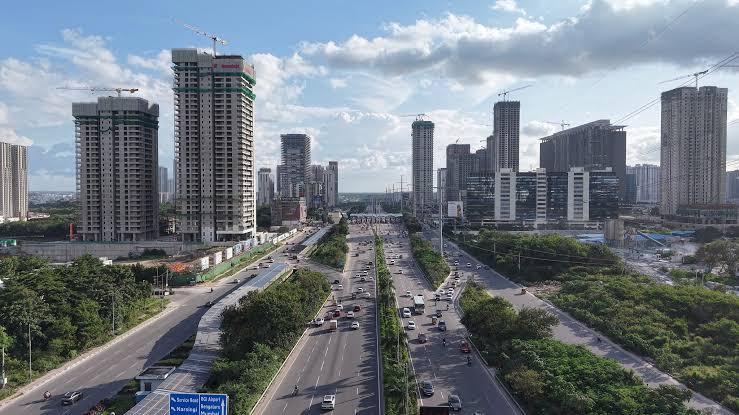
Premium towers, elaborate clubhouses and lifestyle amenities have become central to the marketing strategies of developers. However, a shift in buyer sentiment appears to be taking shape. Real estate observers believe that the appetite for high-rise apartments may be moderating as prospective buyers begin to weigh the practical challenges of vertical living against the promises of luxury.
The changing sentiment does not necessarily indicate a collapse in demand for apartments or the end of Hyderabad's high-rise development cycle. Instead, it points towards a more informed and cautious homebuyer who wants tangible assurances about everyday living conditions before making a substantial financial commitment.
Water security is becoming a decisive factor in property selection. In several residential locations, buyers are no longer satisfied with assurances that proposed water infrastructure will eventually address their requirements. They want clarity on the availability of a dependable water source, the arrangements for storage and distribution, and the long-term sustainability of supply. The dependence of large apartment communities on private tankers has become a matter of concern. For a family investing ₹1 crore or more in a home, the prospect of having to worry about daily water availability can significantly influence the purchase decision.
The growing pressure on Hyderabad's road network is another concern. Residential development has expanded rapidly across the western and northern corridors, but the supporting road infrastructure has not always kept pace with the increase in population and vehicle numbers. Buyers are increasingly evaluating commute times, access to workplaces and the availability of alternative routes before choosing a property. The concern is not limited to the traffic situation today; it also extends to the additional residential supply expected to enter these already busy neighbourhoods. A premium apartment may offer several comforts within its premises, but those advantages can lose their appeal if residents spend a considerable part of their day negotiating traffic.
Environmental quality is also entering the homebuyer's decision-making process. Continuous construction activity, dust, vehicular emissions and the gradual reduction of open spaces are raising questions about the long-term liveability of certain urban locations. Families are beginning to look beyond the specifications of individual apartments and examine the quality of the neighbourhood in which they will spend their lives. Access to greenery, natural ventilation, recreational spaces and a relatively healthier environment is becoming increasingly relevant, particularly for buyers planning to occupy their homes over several decades.
There is also growing scrutiny of the way premium residential projects differentiate themselves. Swimming pools, landscaped terraces, sky gardens, gyms and elaborate clubhouses were once powerful selling propositions. Today, however, many developments offer broadly similar amenities. Buyers are asking whether these facilities genuinely improve everyday living or merely add to the project's marketing appeal. The focus is shifting towards more fundamental aspects of residential design, including usable carpet area, efficient layouts, privacy, ventilation, the proportion of open space and the number of families sharing common facilities. In other words, buyers want practical value rather than an impressive list of amenities.
The economic environment is adding another layer of caution, particularly in the ₹1 crore to ₹2 crore housing segment. A substantial proportion of demand in this category comes from salaried professionals employed in the information technology and related services sectors. Uncertainty surrounding employment, restructuring and layoffs can influence the confidence of households considering large home loans. Even financially capable buyers may postpone decisions when they are unsure about future income stability or prefer to preserve their savings. This could partly explain the more cautious approach towards high-value residential purchases, although the extent of any slowdown needs to be assessed against actual transaction and registration data.
An interesting development is the growing attention being paid to low-density residential communities and villas, particularly in locations around the Outer Ring Road. For some buyers, a larger home, private outdoor space and fewer neighbours are becoming more attractive than living in a densely populated tower. The willingness to accept a slightly longer commute in exchange for greater space and a quieter residential environment reflects a changing understanding of what constitutes premium living. The aspiration is no longer restricted to owning an apartment in a tall building; it increasingly includes having room to live comfortably.
This changing outlook could compel Hyderabad's developers to reconsider the assumptions that have driven the city's residential construction boom. Merely adding more floors, expanding the list of amenities or positioning a project as a luxury address may not be enough to sustain buyer interest. Developments that demonstrate dependable water management, efficient connectivity, adequate open spaces, thoughtful density planning and genuine environmental consideration could enjoy a stronger advantage.
High-rise housing will undoubtedly remain an important part of Hyderabad's urban growth. The city's expanding economy, employment opportunities and continuing migration will sustain demand for different categories of residential accommodation. But the market may increasingly distinguish between projects that simply offer vertical luxury and those that provide a genuinely comfortable living environment.
The emerging message from homebuyers is clear: the value of a home cannot be measured by the number of floors in its building or the grandeur of its clubhouse. It must also be judged by the quality of life it delivers outside the apartment door.
Hyderabad's next real estate phase may be less about reaching for the sky and more about creating neighbourhoods where people can live with greater comfort, space and security.
More from Telangana

More from Business
Shree Cement unveils ₹7,000 crore investment plans for three cement plants in Andhra Pradesh
Aster DM Quality Care invests ₹500 crore in 300-bed multispecialty hospital at Hyderabad’s Kondapur