Hyderabad’s Jawaharnagar dump yard ranks fourth globally in methane emissions
The Jawaharnagar dumping yard, Hyderabad’s principal waste disposal site, has emerged as the world’s fourth-largest methane-emitting waste facility, according to a study by the University of California, Los Angeles (UCLA), based on satellite observations from Carbon Mapper.
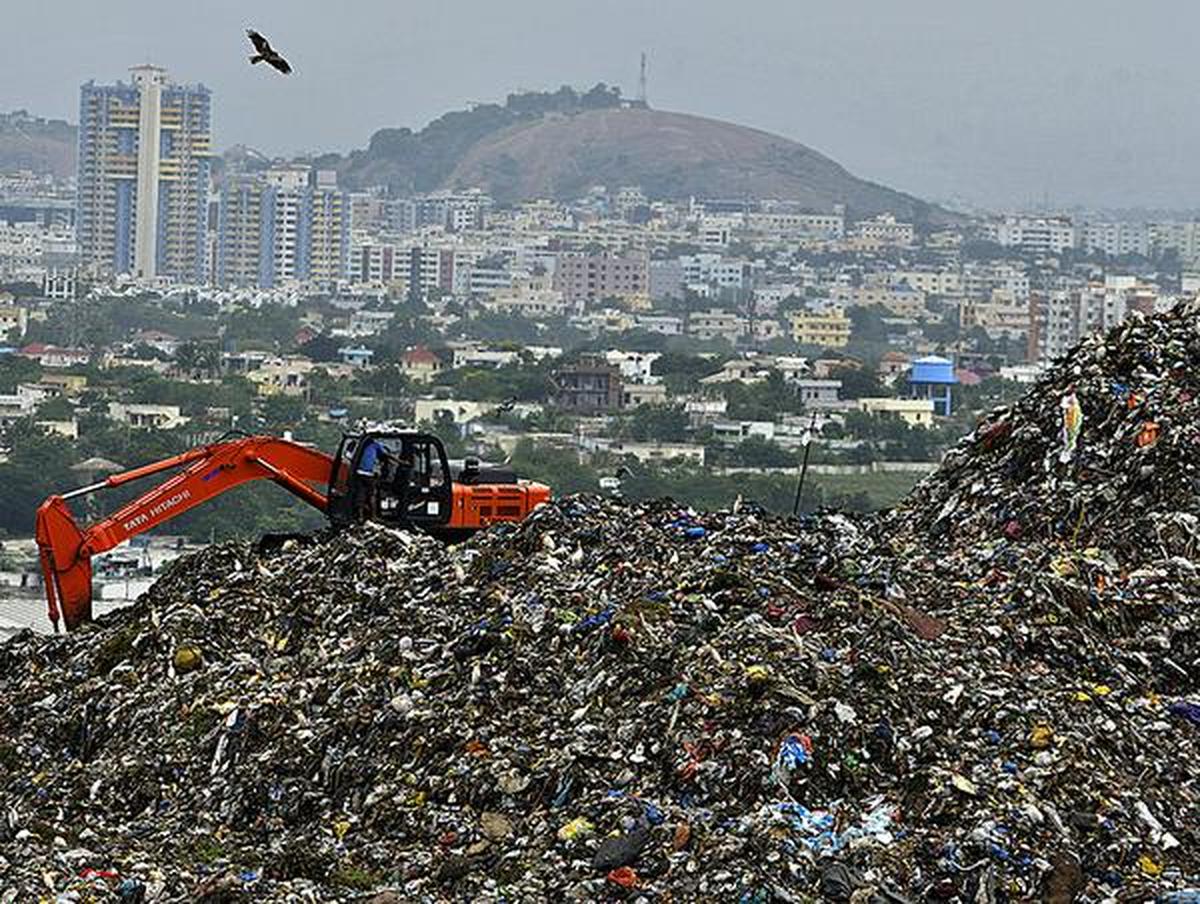
The landfill recorded an estimated average methane emission rate of 5.9 tonnes per hour, placing it fourth among the 25 highest-emitting waste sites globally. Buenos Aires in Argentina topped the list, followed by Jakarta in Indonesia and Kuala Lumpur in Malaysia. Mumbai was ranked 12th.
The satellite observations recorded emission rates at Jawaharnagar ranging from 464 kg per hour to 11.1 tonnes per hour on different measurement dates in 2025. The 5.9-tonne figure represents an estimated average emission rate based on quantified observations, not a continuous measurement throughout the year.
The findings have renewed concerns over Hyderabad’s dependence on Jawaharnagar for municipal waste disposal. The site receives thousands of tonnes of garbage daily, while residents in surrounding areas have repeatedly raised concerns about foul odour, pollution and possible health impacts.
Despite the presence of waste-to-energy facilities at Jawaharnagar, methane emissions continue from organic waste decomposing at the landfill. Waste-to-energy processing alone does not eliminate emissions from accumulated waste.
The issue also highlights the need for better segregation of wet and dry waste, scientific processing of organic waste, methane capture systems, landfill remediation and alternative waste-management facilities.
With Hyderabad’s waste generation continuing to rise, the global ranking raises serious questions about the sustainability of the city's centralised waste-disposal model and the urgency of a comprehensive waste-management strategy.
More from Telangana



More from Environment

NHAI begins survey for 43-km elevated corridor to Srisailam; night travel could become possible
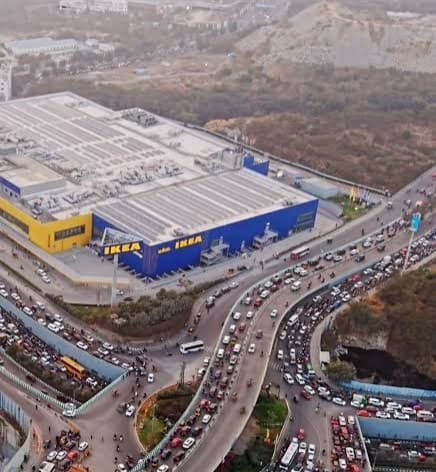
Cyberabad Police plan one-way traffic loop to ease congestion in Hyderabad’s IT corridor near IKEA junction