Hyderabad’s regional air links face a reality check as UDAN routes falter
The performance of the Centre’s regional air-connectivity programme UDAN in Telangana is coming under scrutiny, with a significant number of routes associated with Hyderabad either yet to begin operations or having subsequently become inactive.
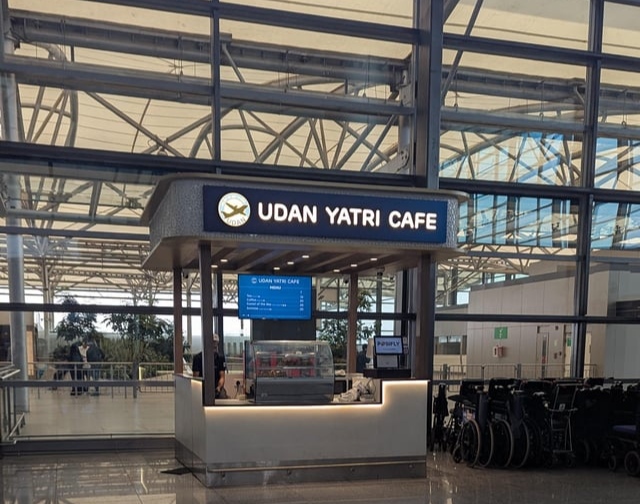
Information obtained through an RTI application from the Airports Authority of India (AAI) shows that 14 out of 60 UDAN route sectors linked to Hyderabad are currently not operational or have not started services. The figure includes 12 routes that are classified as non-operational and two proposed seaplane connections that have not commenced.
The data highlights the difficulty of sustaining regional aviation links after routes are awarded. Among the destinations affected are Vidyanagar, Jamnagar, Gwalior, Kishangarh and Gondia, according to the RTI information.
The Hyderabad–Vidyanagar connection illustrates the problem. The route was selected under UDAN during the scheme’s early years, but the airline that operated it later discontinued services. Although the route was subsequently awarded again, scheduled flights did not resume.
Infrastructure has also emerged as a constraint. A proposed seaplane service connecting Hyderabad with the Prakasam Barrage area has remained grounded because the required water-aerodrome infrastructure has not become operational.
Passenger volumes on Hyderabad’s functioning UDAN routes have also fluctuated considerably. Traffic stood at about 3.56 lakh passengers in 2019-20, before falling to around 96,000 in 2024-25. Passenger numbers recovered to approximately 1.6 lakh in 2025-26, but remained substantially below the pre-pandemic level.
The financial commitment to regional connectivity has been significant. RTI information indicates that more than ₹660 crore in viability-gap funding was released for UDAN operations from Telangana between 2017-18 and 2025-26.
The Centre has since approved the continuation of UDAN for another decade, with changes intended to provide longer-term financial support and encourage states to play a larger role in identifying routes and airports.
For Hyderabad and Telangana, the experience raises a broader question about regional aviation: awarding a route may create the promise of connectivity, but keeping it alive requires sustained passenger demand, dependable airline operations and supporting infrastructure.
More from Telangana
More from Politics
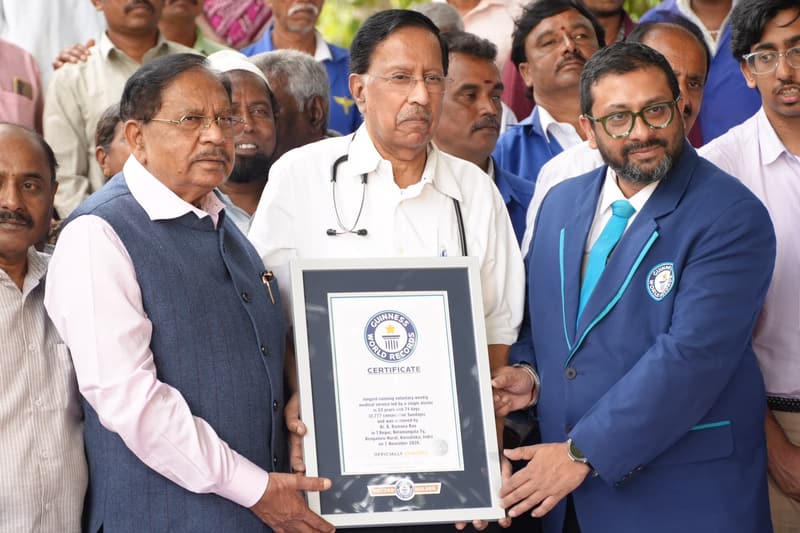
Padma Shri Dr B. Raman Rao enters Guinness World Records for treating over 33 lakh patients over 2777 Sundays

Rahul Gandhi calls for rethinking democracy and economic models amid growing influence of tech giants