HYDRAA turns attention to Hyderabad’s historic stepwells; plans restoration to boost groundwater conservation
After undertaking the restoration of lakes and water bodies across Hyderabad, the Hyderabad Disaster Response and Asset Protection Agency (HYDRAA) is preparing to extend its conservation efforts to the city's historic stepwells. Senior officials have emphasised that reviving these traditional water structures could help improve groundwater recharge, reduce urban flooding and preserve Telangana's architectural heritage
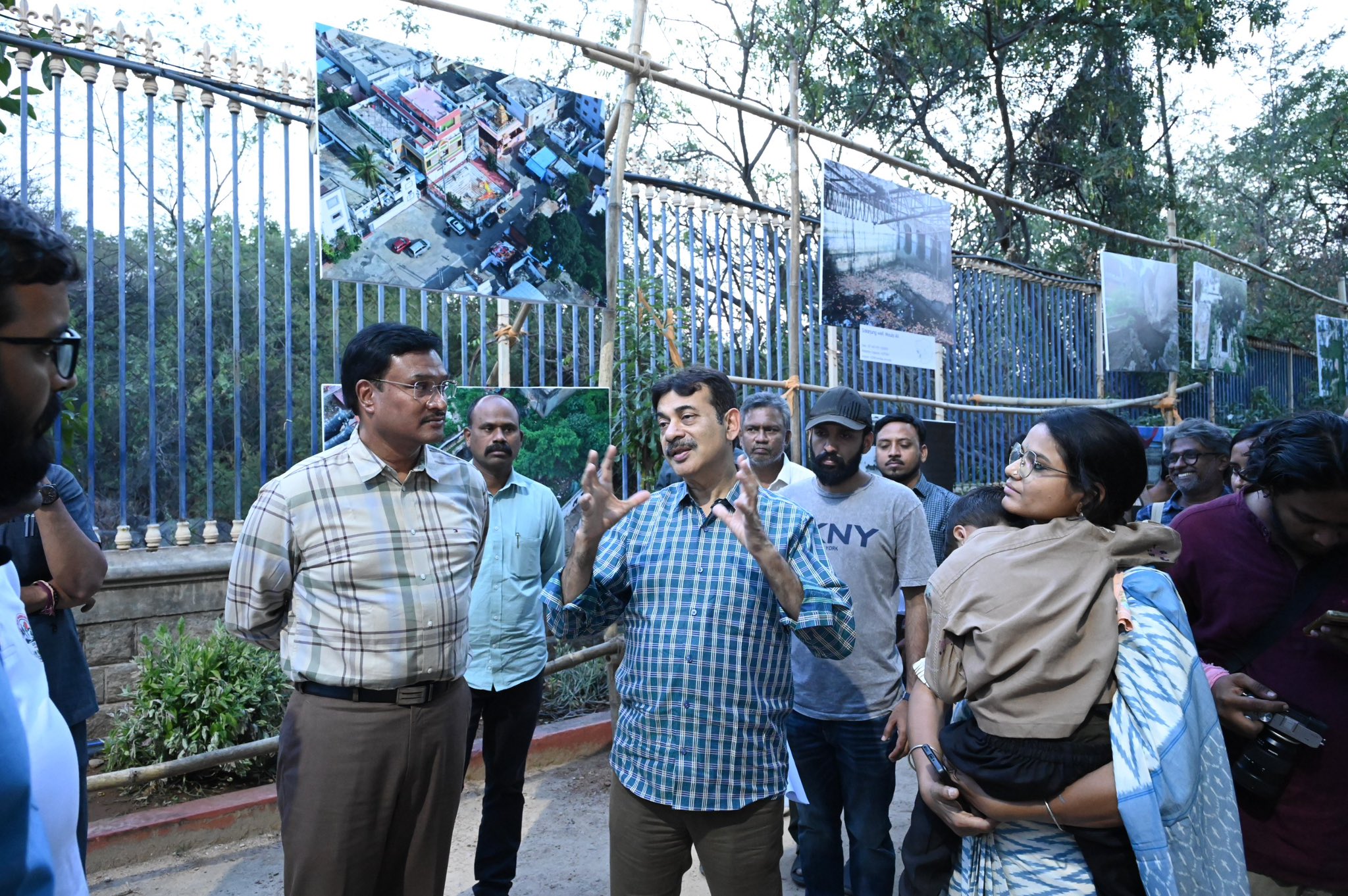
Special Chief Secretary for Environment, Forests, Science and Technology Jayesh Ranjan and HYDRAA Commissioner A.V. Ranganath outlined the importance of stepwell conservation during an awareness programme titled Mee Baavi, organised by the Akarma Foundation at KBR Park on Friday.
Addressing the gathering, the officials explained that stepwells, traditionally used for storing and accessing water, play an important role in maintaining groundwater resources. They pointed out that these structures facilitate the absorption of rainwater into underground aquifers during the monsoon, helping replenish groundwater reserves while reducing surface runoff.
According to the officials, Telangana has more than 600 stepwells, including over 160 in Hyderabad alone. They stressed that protecting these structures was a collective responsibility, particularly as rapid urbanisation and changing land-use patterns have placed traditional water conservation systems under pressure.
The officials also highlighted that the restoration of stepwells has been incorporated into the CURE Act, indicating the importance attached to conserving traditional water infrastructure. They observed that while reclaiming vanished or heavily encroached lakes could involve considerable challenges, many neglected stepwells could potentially be restored and brought back into use with comparatively less difficulty.
The discussions also focused on the potential contribution of stepwells to urban flood management. By allowing rainwater to percolate into the ground, functional stepwells can complement lakes and other drainage systems in managing excess rainfall, particularly during periods of intense precipitation.
Participants appreciated HYDRAA's ongoing lake restoration initiatives and urged the agency to adopt a similar approach towards stepwells. They emphasised that these structures were not merely remnants of Hyderabad's past but valuable assets that could contribute to the city's future water security.
The restoration effort is also expected to have significant heritage conservation benefits. Many stepwells represent traditional engineering techniques and architectural practices developed to manage water availability in different climatic conditions. Preserving them would help protect historical landmarks while creating opportunities to educate younger generations about sustainable water management.
During the programme, officials and representatives of the Akarma Foundation discussed possible measures required to identify, protect and restore neglected stepwells across the city. The discussions included the importance of institutional cooperation and public participation in ensuring that restored structures remain functional.
Akarma Foundation representative Kaushik assured the authorities of the organisation's full cooperation in stepwell restoration activities. The foundation expressed its willingness to support conservation efforts and awareness initiatives aimed at encouraging communities to recognise the value of these historic water structures.
With Hyderabad facing increasing pressure on groundwater resources and urban drainage systems, the proposed focus on stepwells signals an effort to integrate traditional conservation practices into modern water management strategies.
The initiative could also broaden HYDRAA's role beyond lake restoration by bringing neglected heritage water structures into the city's larger environmental conservation agenda.
More from Telangana

More from Environment

NHAI begins survey for 43-km elevated corridor to Srisailam; night travel could become possible

Cyberabad Police plan one-way traffic loop to ease congestion in Hyderabad’s IT corridor near IKEA junction