Janhvi Kapoor takes responsibility for ‘Peddi’ controversy; admits song promoted objectification
Actress Janhvi Kapoor has acknowledged that the controversial portrayal of women in Peddi was problematic, admitting that the film’s presentation involved “extreme objectification” and questioning whether it also propagated sexual assault narratively.
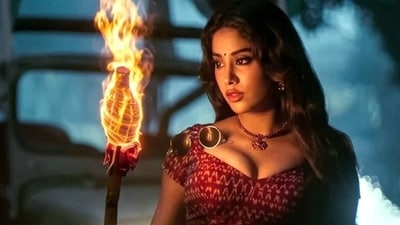
Speaking on Koffee with Karan, Kapoor said the experience continued to weigh on her conscience because of the potential impact such portrayals could have on society, particularly women.
“The only thing that I can do is to ensure that it doesn’t happen again,” she said, reflecting on whether she could have intervened more forcefully during the film’s production.
Kapoor acknowledged that she could have been more vigilant and used her position to challenge the way her character was presented. She also said she had struggled with how to discuss the controversy without appearing to shift responsibility onto others involved in the film.
Explaining the challenges she faced, the actress pointed to the working practices she had encountered in South Indian cinema, saying scripts are rarely fully bound and often do not specify camera angles in advance.
“Having said that, I also need to take responsibility for my half of it,” she said, adding that she should have used her position and privilege more effectively to raise concerns.
Kapoor described the experience as violating in some respects and said she continued to feel a sense of shame over the controversy. She stressed that her intention was not to portray herself as a victim but to acknowledge her own role in what happened.
She also expressed hope that the controversy could lead to greater scrutiny of how female leads are presented on screen.
“The good thing that came out of all this, is that maybe tomorrow someone else will think twice before they present a lead actress this way,” she said.
Her remarks have brought renewed attention to questions of female representation, consent and the responsibility of actors and filmmakers in shaping cinematic narratives.
More from Beyond Dakshin
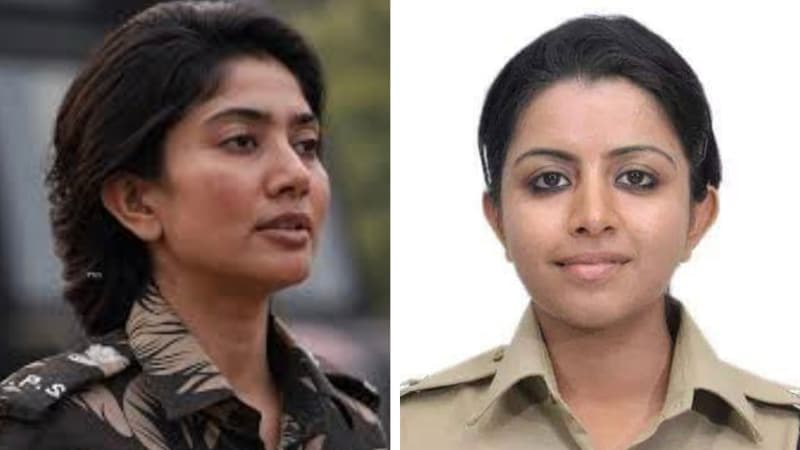
Sai Pallavi cuts her hair for ‘OM’, takes inspiration from IPS officer Merin Joseph; mother reacts in shock
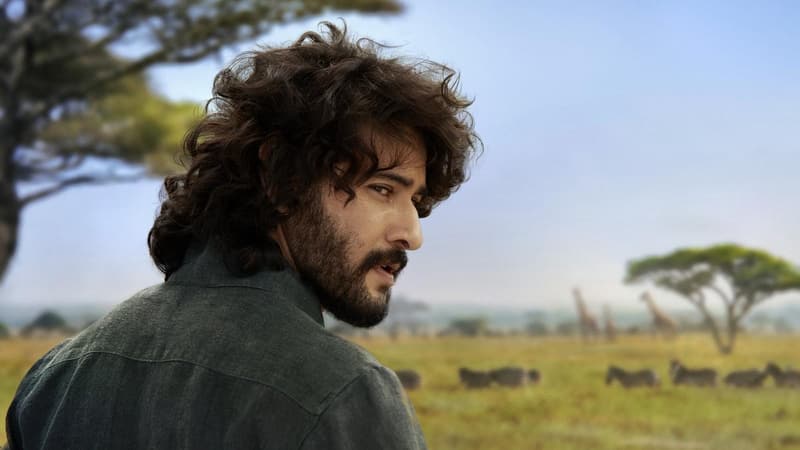
Mahesh Babu–Rajamouli’s ‘Varanasi’ eyes record ₹290 crore Telugu States deal, set to surpass ‘RRR’
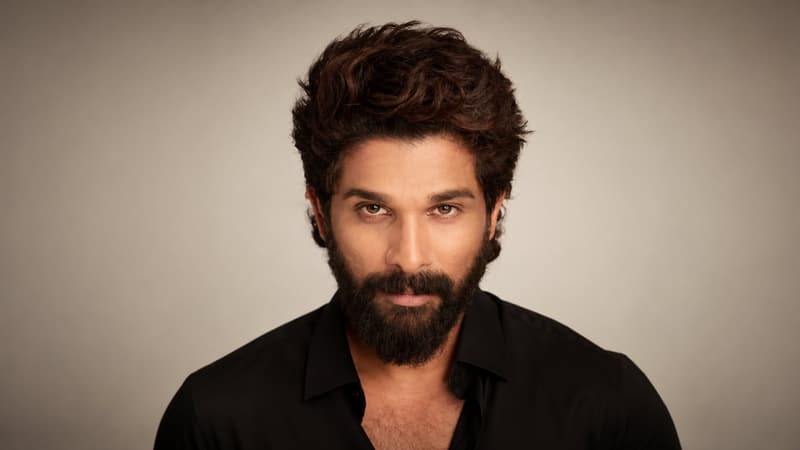
Allu Arjun lines up mythological pan-India spectacle with Boyapati Sreenu after ‘Raaka’!
More from Entertainment
Sai Pallavi cuts her hair for ‘OM’, takes inspiration from IPS officer Merin Joseph; mother reacts in shock
Mahesh Babu–Rajamouli’s ‘Varanasi’ eyes record ₹290 crore Telugu States deal, set to surpass ‘RRR’