Jayesh Ranjan’s reported VRS request sparks speculation in Telangana bureaucratic circles
Senior Telangana-cadre IAS officer Jayesh Ranjan has reportedly sought voluntary retirement from service, triggering speculation within bureaucratic circles about the circumstances behind his decision.
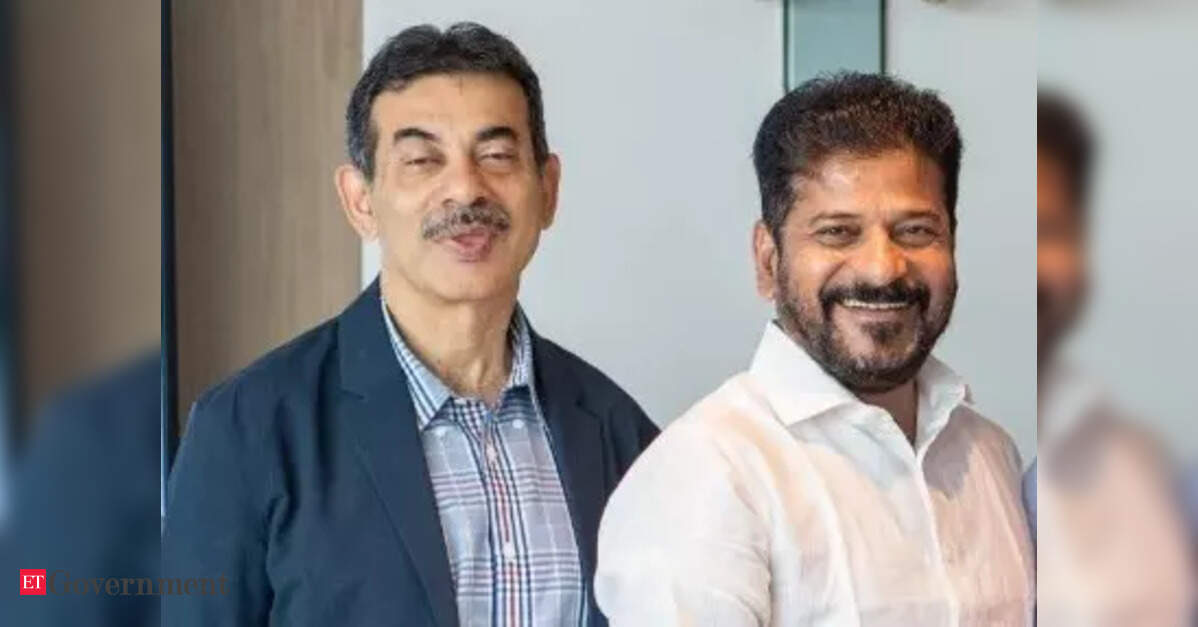
Ranjan, a 1992-batch IAS officer currently serving as Special Chief Secretary, is scheduled to retire on September 30, 2027. His reported decision to seek voluntary retirement ahead of his scheduled superannuation has drawn attention to the developments surrounding his recent assignments and career prospects.
According to speculation circulating in administrative circles, Ranjan was disappointed by the state government’s decision to appoint his batchmate, Sanjay Jaju, as Chief Secretary instead of considering him for the top bureaucratic position. However, there has been no official confirmation that the appointment influenced Ranjan’s reported decision.
His recent administrative responsibilities have also become a subject of discussion. Some accounts suggest that his assignment to oversee key urban development responsibilities in Hyderabad was viewed by sections of the bureaucracy as a departure from expectations surrounding his seniority and experience. There is, however, no confirmed evidence that the assignment was intended to sideline him.
Unverified reports have also pointed to possible differences over administrative responsibilities and departmental decisions, including matters relating to sports administration. Allegations of impropriety have circulated in connection with the episode, but no substantiated evidence has been presented to establish them.
There is further speculation that Ranjan may be exploring opportunities abroad, although neither the nature of any such opportunity nor its status has been officially confirmed.
If accepted, his reported voluntary retirement request would mark a significant development in Telangana’s senior bureaucracy. For now, the reasons behind his reported decision remain unclear, and the suggestion that disappointment over the Chief Secretary’s appointment played a role remains unverified.
More from Telangana
More from Politics
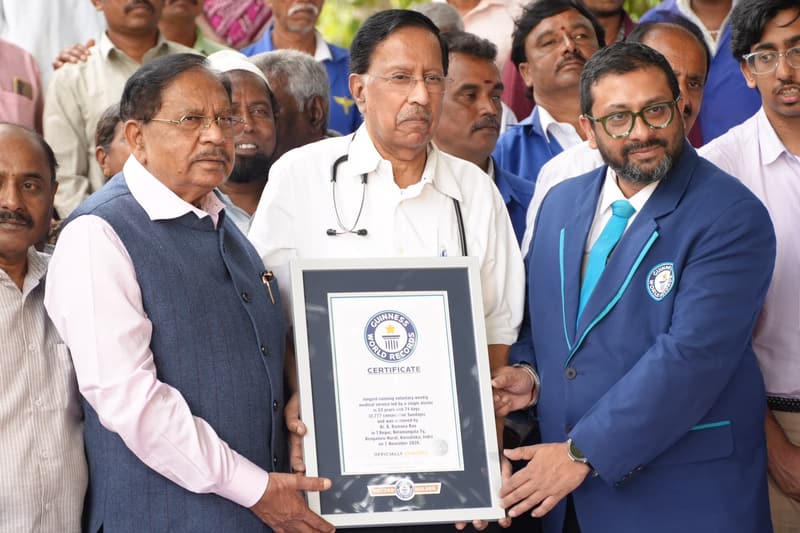
Padma Shri Dr B. Raman Rao enters Guinness World Records for treating over 33 lakh patients over 2777 Sundays
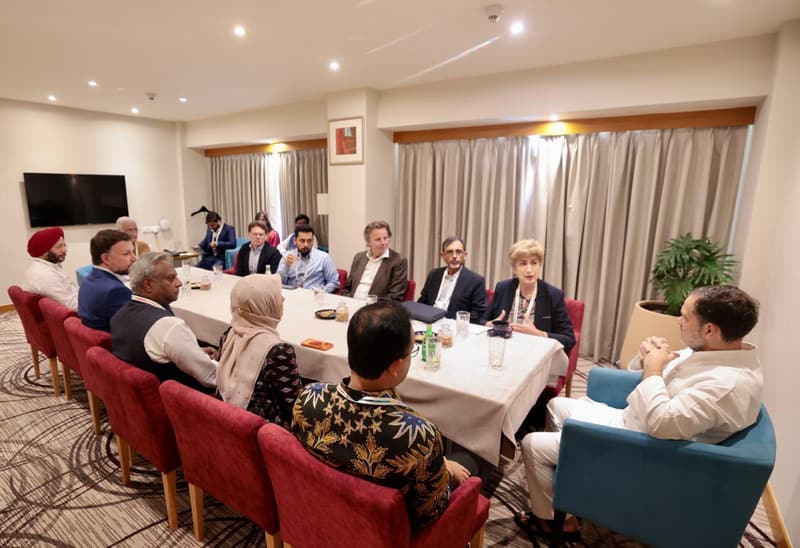
Rahul Gandhi calls for rethinking democracy and economic models amid growing influence of tech giants