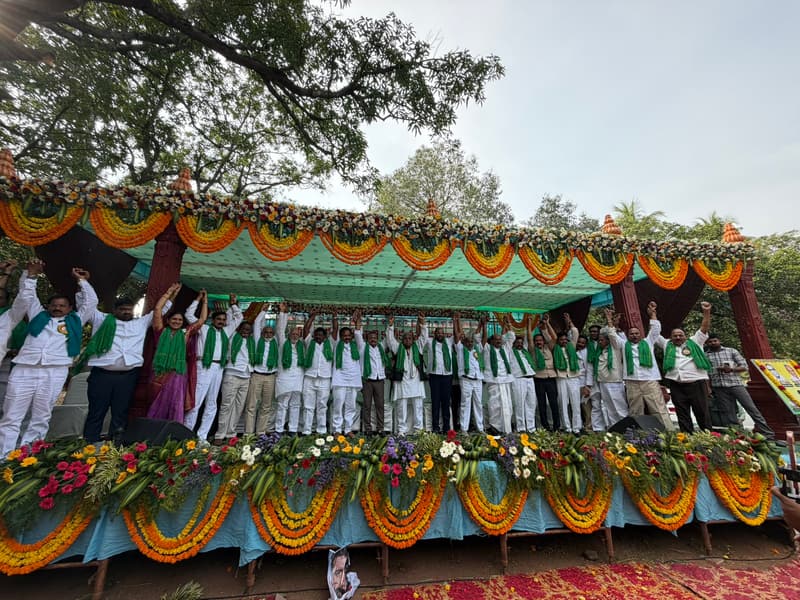
‘Jobs for Kannadigas’: Karnataka Rakshana Vedike intensifies campaign, approaches IT firms
The Karnataka Rakshana Vedike (KRV) has intensified its campaign demanding greater employment opportunities for Kannadigas in private companies, including information technology (IT) and biotechnology (BT) firms, as its statewide Agraha Campaign entered its 12th consecutive day
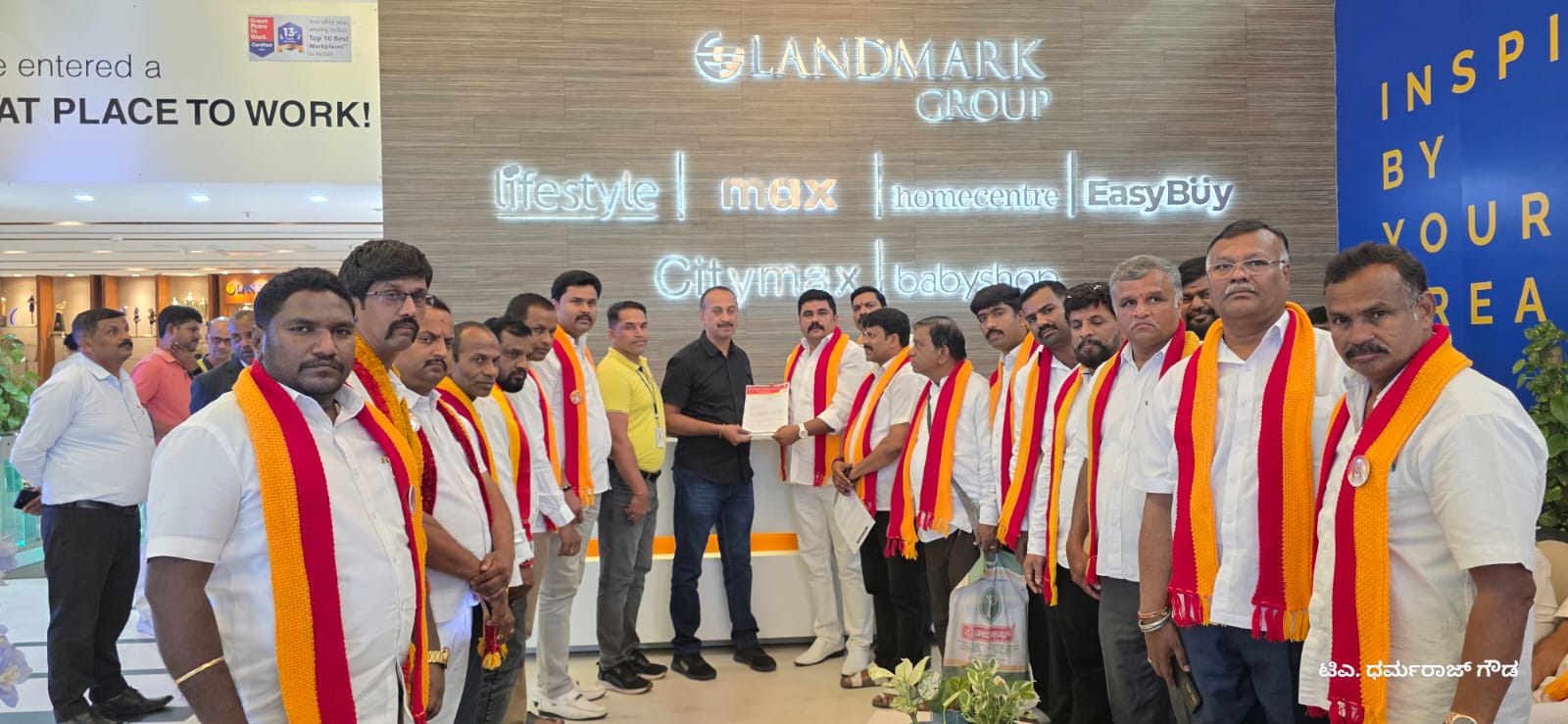
As part of the campaign, KRV delegations have been visiting corporate offices, multinational companies and other private establishments across Karnataka, submitting representations to managements seeking increased recruitment of local candidates.
The campaign seeks to draw attention to employment opportunities for Kannada-speaking residents in the state's expanding private sector, particularly in Bengaluru, which has emerged as one of India's largest technology and corporate employment centres.
Photographs circulated by the organisation show KRV representatives, wearing the red-and-yellow colours associated with Karnataka, meeting officials at corporate establishments and handing over petitions. Among the companies approached were IT services firm Mphasis and retail conglomerate Landmark Group, which operates brands including Lifestyle, Max, Home Centre and Easybuy.
The delegations have urged companies to give greater consideration to eligible Kannadiga candidates during recruitment and to strengthen local employment opportunities across different categories of jobs.
The Agraha Abhiyana, launched on November 1 to coincide with Kannada Rajyotsava, is being spearheaded by KRV state president T.A. Narayana Gowda. The organisation has formed multiple teams to visit establishments, meet human resources officials and collect information on the representation of Kannadigas in their workforce.
KRV has sought details of the total number of employees, the proportion of Kannadigas, recruitment figures for the previous three years, hiring criteria and initiatives undertaken by companies to train and employ local candidates. The organisation intends to compile the findings into a comprehensive report for submission to the Karnataka government.
The campaign has already covered several prominent establishments, including Google, Hewlett Packard Enterprise and companies operating at Kempegowda International Airport. On November 6, KRV representatives met officials of 14 organisations at the airport, seeking greater employment opportunities for local candidates.
Narayana Gowda has maintained that the initiative is intended to gather information and encourage fair recruitment rather than intimidate private establishments. He has argued that companies benefiting from Karnataka's infrastructure, resources and business environment should also contribute to employment opportunities for qualified local residents.
The campaign has nevertheless generated debate over the relationship between regional employment aspirations and the recruitment policies of private enterprises. Industry representatives have previously expressed concerns that mandatory local hiring requirements could affect companies' flexibility in recruiting specialised talent.
Karnataka Chief Minister D.K. Shivakumar has acknowledged complaints that qualified Kannadigas are being overlooked for employment in certain private companies. While expressing the government's commitment to protecting local employment opportunities, he has urged Kannada organisations not to take the law into their own hands or intimidate businesses.
The issue has also revived discussion around Karnataka's proposed legislation providing employment reservations for local candidates in private industries. The state government had placed the 2024 Bill on hold following objections from industry bodies and business representatives.
KRV has announced that its campaign will continue until November 30, after which it plans to submit its findings to the state government and seek action on improving employment opportunities for Kannadigas.
As the campaign enters its second week, the response of private companies and the government's approach to balancing local employment demands with the needs of Karnataka's investment and technology sectors will remain central to the debate.
More from Karnataka
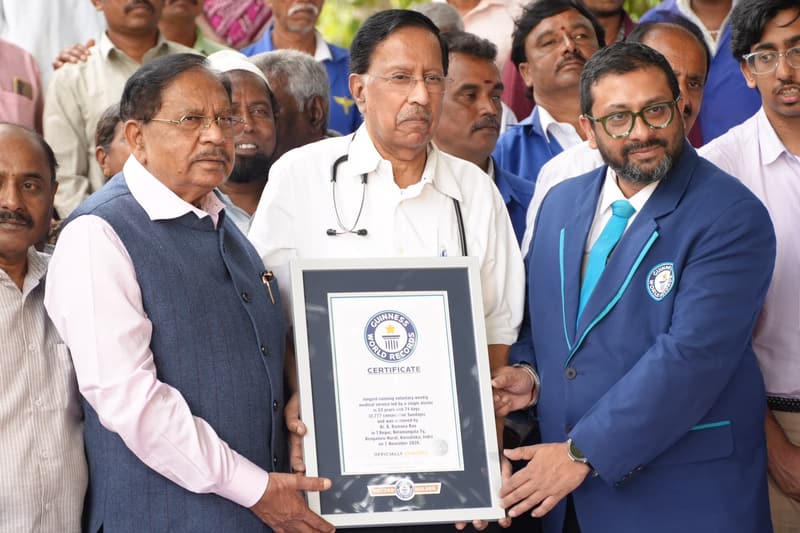
Padma Shri Dr B. Raman Rao enters Guinness World Records for treating over 33 lakh patients over 2777 Sundays
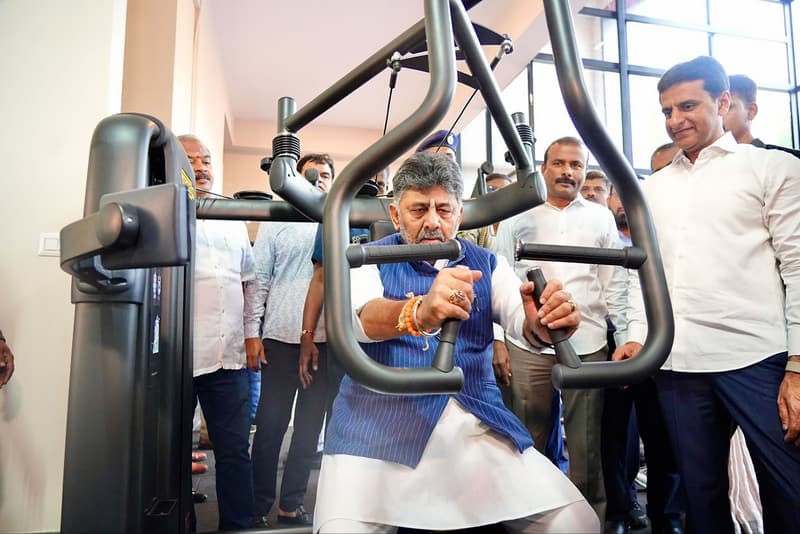
Karnataka CM Shivakumar inaugurates community hall with modern gym, badminton court in Bengaluru
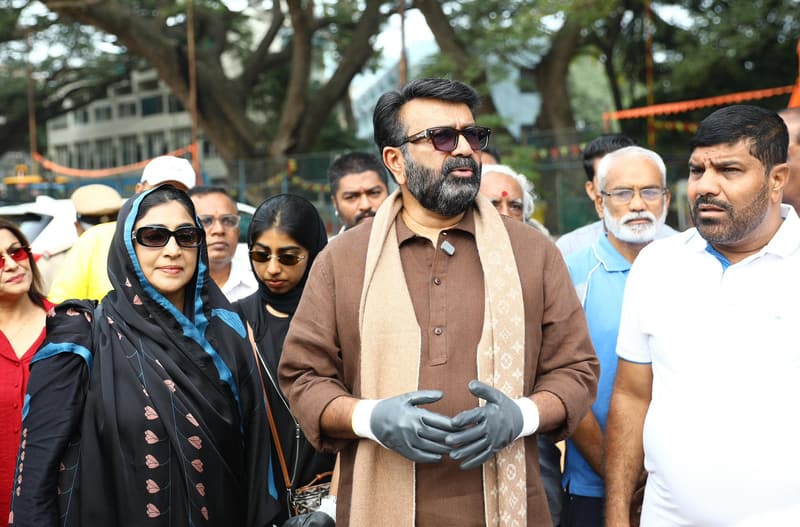
BDA Chairman N.A. Haris joins citizens in Bengaluru Park cleanliness drive, calls for a green movement
More from Politics
Padma Shri Dr B. Raman Rao enters Guinness World Records for treating over 33 lakh patients over 2777 Sundays
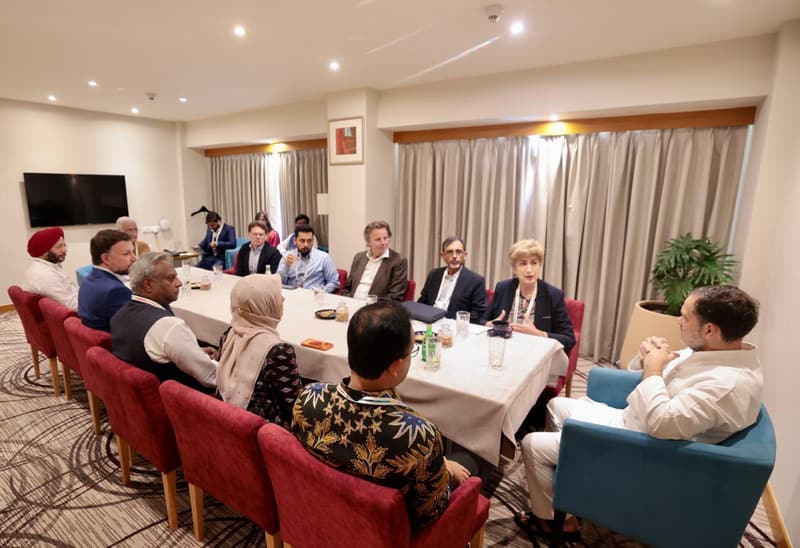
Rahul Gandhi calls for rethinking democracy and economic models amid growing influence of tech giants