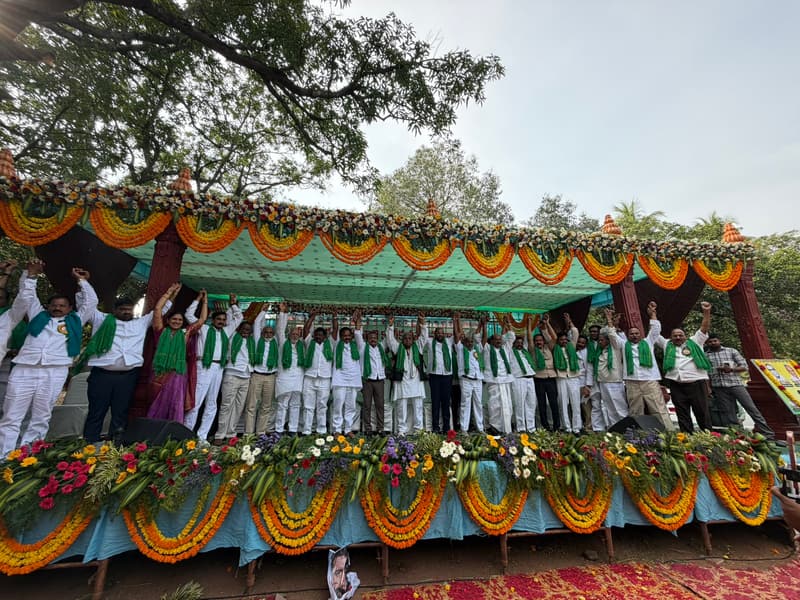
Kannadigas form majority of Bengaluru airport workforce, says BIAL amid local hiring concerns
Airport operator says it is engaging with stakeholders; expansion expected to create more employment opportunities for people from Karnataka
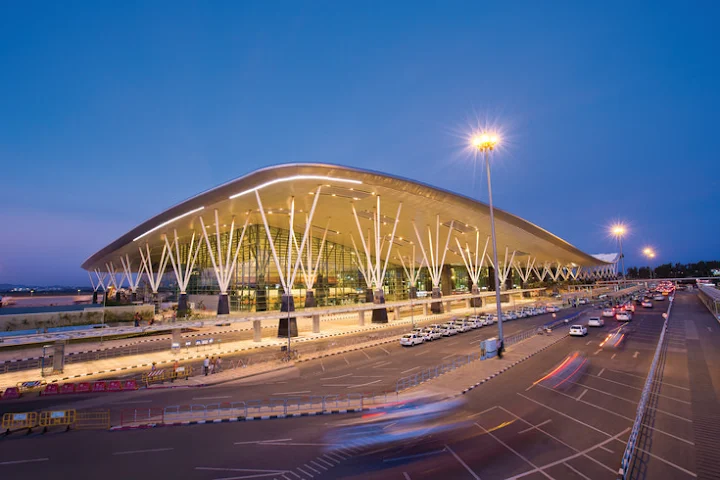
Bangalore International Airport Limited (BIAL), the operator of Kempegowda International Airport (KIA) in Bengaluru, has asserted that Kannadigas constitute the majority of its workforce, responding to concerns raised by pro-Kannada organisations over employment opportunities for local residents.
In a statement issued on November 7, BIAL said the airport was deeply rooted in Karnataka and that the State's identity, culture and aspirations were reflected in its art, architecture, design and passenger experience. The company, however, did not disclose the exact proportion of Kannadigas employed at the airport.
“We are aware of the concerns raised around local employment opportunities at the airport and are engaging with relevant authorities and stakeholders to address these concerns,” a BIAL spokesperson said. The company added that the airport's continued expansion would generate further employment opportunities for Kannadigas across multiple sectors.
The clarification followed a campaign by pro-Kannada groups seeking greater representation of local candidates in private-sector employment. The Kannada Whistleblowers group had launched an online petition urging the State government to examine the increasing number of employees from other States, particularly Malayalam- and Telugu-speaking workers, at the airport.
The issue gained further momentum after a delegation of the Karnataka Rakshana Vedike (KRV) met representatives of 14 organisations operating at the airport. The meeting, held on Friday, was attended by senior representatives of BIAL and companies involved in ground handling, logistics, hospitality, catering and other airport services, including Menzies Aviation, DHL Express, Air India SATS, Blue Dart India, WFS and Taj SATS.
KRV president T.A. Narayana Gowda described the discussions as positive and said the organisations had responded to the demand for greater local employment. According to him, some companies acknowledged that the representation of Kannadigas was lower than desired and assured the delegation that they would work towards increasing local recruitment over the next year. The organisation plans to review the progress after a year.
The campaign is part of KRV's broader effort to secure fair employment opportunities for Kannadigas in private-sector establishments across the State. The debate has also revived discussion on the Karnataka State Employment of Local Candidates in Industries, Factories and Other Establishments Bill, 2024, which proposed reservation for local candidates in private-sector jobs but was put on hold following objections from industry representatives.
BIAL also highlighted the Karnataka government's role as a key stakeholder in the airport company, describing it as an important part of the partnership behind the airport's growth and development. The operator said its expansion would support employment generation across several sectors and reiterated its commitment to contributing to Karnataka's economic progress.
While BIAL has maintained that Kannadigas already form the majority of its workforce, the absence of a publicly disclosed employee-wise demographic breakdown is likely to keep the debate over local representation alive. The focus will now be on whether the assurances given by airport operators and associated companies translate into measurable increases in employment for local candidates.
More from Karnataka
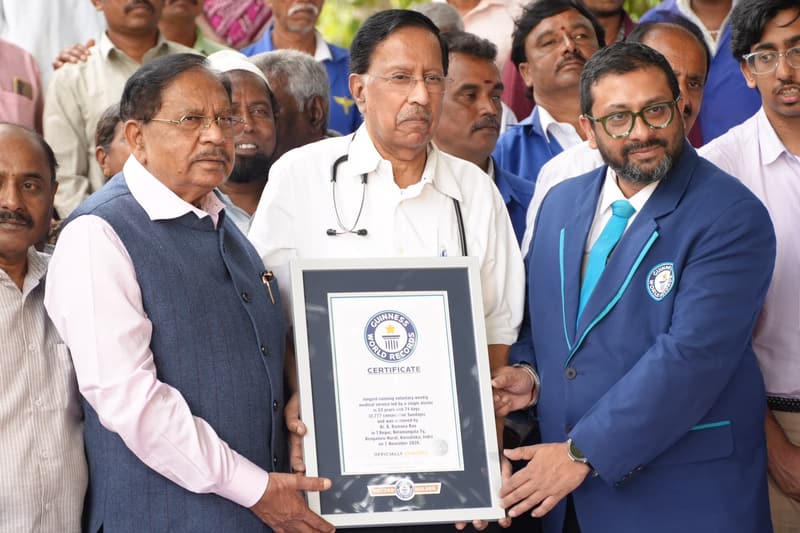
Padma Shri Dr B. Raman Rao enters Guinness World Records for treating over 33 lakh patients over 2777 Sundays
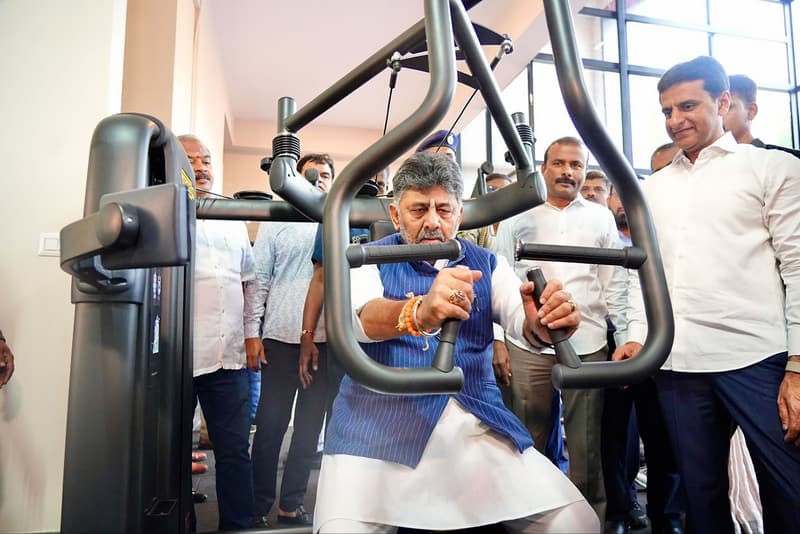
Karnataka CM Shivakumar inaugurates community hall with modern gym, badminton court in Bengaluru
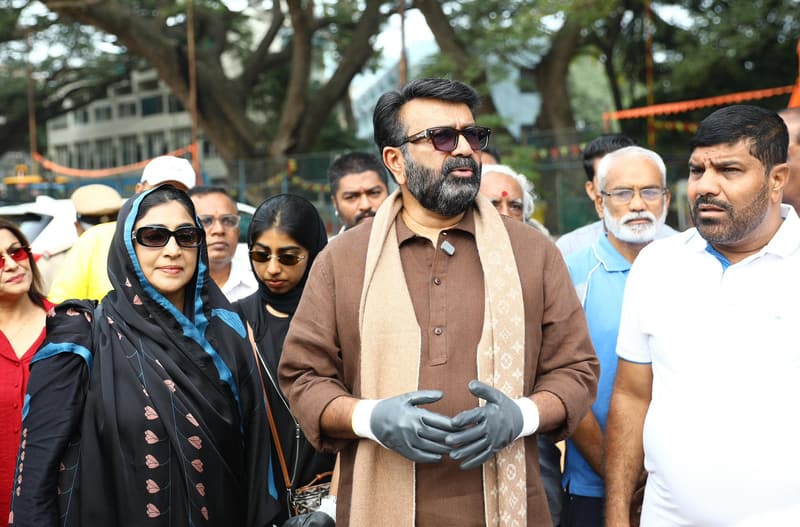
BDA Chairman N.A. Haris joins citizens in Bengaluru Park cleanliness drive, calls for a green movement
More from Politics
Padma Shri Dr B. Raman Rao enters Guinness World Records for treating over 33 lakh patients over 2777 Sundays
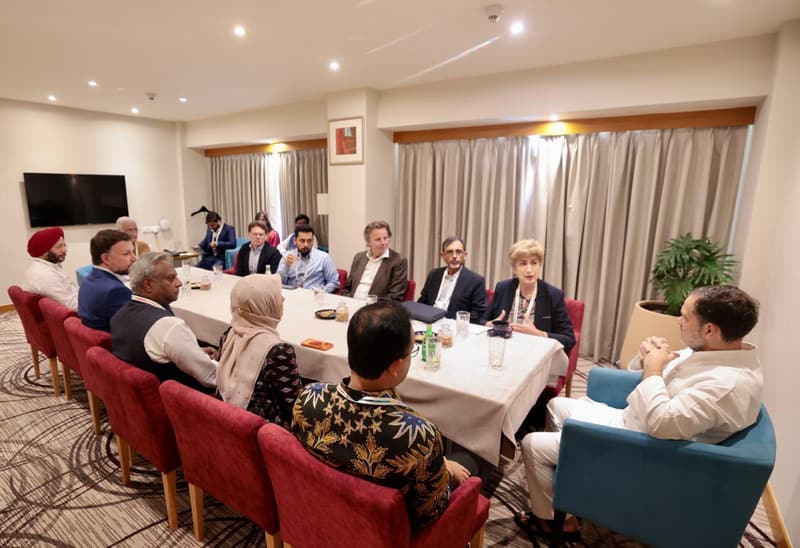
Rahul Gandhi calls for rethinking democracy and economic models amid growing influence of tech giants