Karnataka Issues Show-Cause Notice to Indian Oil Over Fuel Measurement Discrepancies
The Karnataka government has issued a show-cause notice to Indian Oil Corporation Limited (IOCL) following the detection of fuel measurement discrepancies during an inspection, raising concerns over compliance with prescribed legal metrology standards
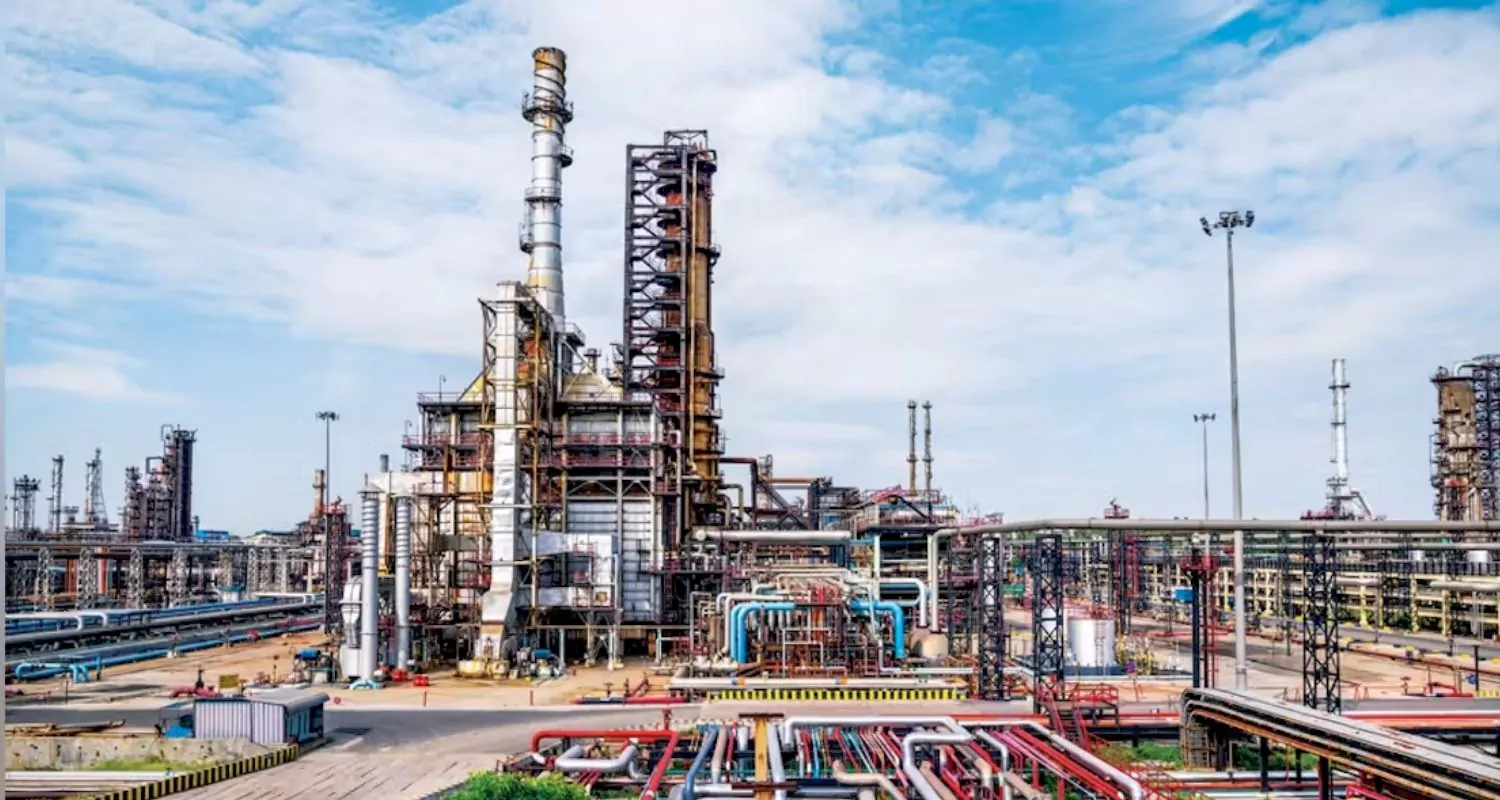
The notice was issued by the state’s Legal Metrology Department after an inspection at IOCL’s Devanagonthi terminal near Bengaluru on November 25 revealed irregularities in the measurement of ethanol and petrol.
During the inspection, officials found that one ethanol flow meter dispensed an additional 14 litres for every 3,000 litres measured, while another recorded an excess of three litres. Petrol dispensing equipment, meanwhile, delivered between four and six litres less than the corresponding measured quantity.
The department found that these deviations exceeded permissible limits and directed IOCL to suspend commercial operations involving the three measuring systems until their accuracy and statutory compliance were established.
Issued under the Legal Metrology Act, 2009, the notice requires IOCL to furnish a written explanation within seven days, along with equipment verification certificates, calibration records, maintenance documents and details of corrective measures.
Karnataka Food, Civil Supplies and Consumer Affairs Minister Rizwan Arshad said the department had initiated inspections of oil marketing company terminals following the state government's findings of ethanol blending beyond the prescribed E20 limit of 20 per cent.
Earlier this month, the Karnataka government alleged that laboratory tests of petrol samples collected across seven districts revealed ethanol concentrations reaching 31.2 per cent in fuel supplied by IOCL and 30.5 per cent in samples from Hindustan Petroleum Corporation Limited (HPCL).
However, IOCL, HPCL and Bharat Petroleum Corporation Limited (BPCL) disputed the findings, questioning the sampling and testing methodology adopted by the state authorities. The companies maintained that their fuel complied with Bureau of Indian Standards specifications.
Arshad has also urged Union Petroleum Minister Hardeep Singh Puri to review the implementation of the E20 programme, seeking greater transparency regarding ethanol content at fuel stations and stronger consumer protection measures.
The Karnataka government maintains that it supports ethanol blending but opposes deviations from prescribed limits that could potentially compromise consumer interests.
The latest regulatory action has further intensified the dispute between the Karnataka government and public sector oil marketing companies over fuel quality and measurement accuracy.
More from Karnataka
More from Business

Beyond the Tech Hub: Bengaluru Overtakes Delhi as India’s Top Year-End Domestic Flight Destination

Sabarimala’s Seasonal Post Office Brings Sacred Memories and Prasadam to Devotees’ Doorsteps