Karnataka moves to curb excessive medicine mark-ups, pushes for transparency in private hospitals
Karnataka Health and Family Welfare Minister UT Khader has said the state government is committed to ensuring transparency in treatment costs and medicine prices at private hospitals, stressing that illness should not push families into debt or financial hardship.
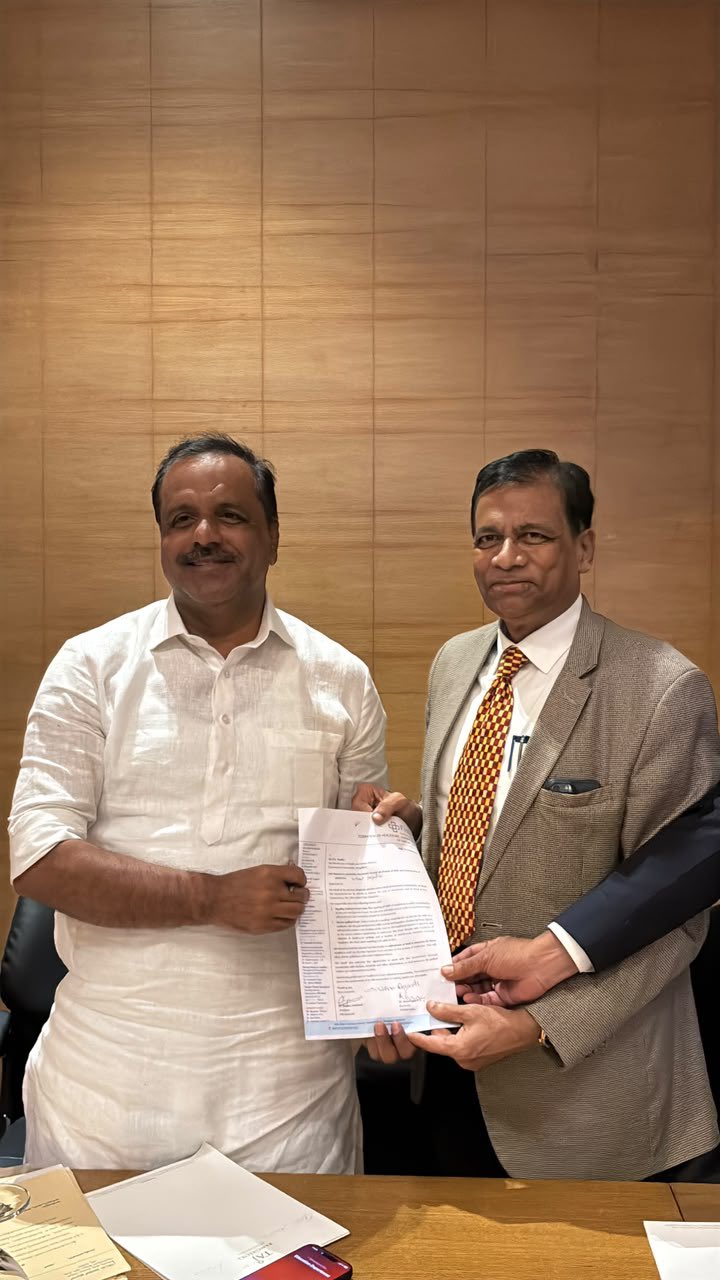
Khader said he met representatives of private hospital managements in Bengaluru to discuss measures to improve transparency in medical billing, ensure fair medicine pricing and protect patients from excessive charges.
Under the Karnataka Private Medical Establishments (KPME) Act, private hospitals are required to prominently display their schedule of treatment charges. The minister reiterated the need for hospitals to comply with this requirement so that patients and their families are informed about the costs of medical services.
The government has also urged hospitals to pass on the benefits of discounted medicine procurement to patients. As part of this initiative, hospitals have been requested to indicate the actual purchase cost of medicines alongside their maximum retail price (MRP) on patient bills.
Khader highlighted Karnataka's efforts to address excessive mark-ups on cancer drugs. Special verification drives reportedly found instances in which medicines and medical consumables were billed at 10 to 52 times their purchase cost in some hospitals.
Following directions from Chief Minister D.K. Shivakumar, the minister said he had written to the Union Health Minister and the National Pharmaceutical Pricing Authority (NPPA), seeking action at the national level. The issue of excessive trade margins had also come under scrutiny before the Supreme Court.
According to Khader, the NPPA has approved in principle a 30% cap on trade margins for non-scheduled cancer drugs, a move expected to help reduce the financial burden on cancer patients.
The state government is now examining the pricing of medicines used to treat cardiac and kidney diseases to prevent patients from facing excessive charges for essential drugs.
Khader emphasised that healthcare must remain a service to society and called for cooperation among hospitals and authorities to ensure quality treatment at fair and transparent prices.
More from Karnataka
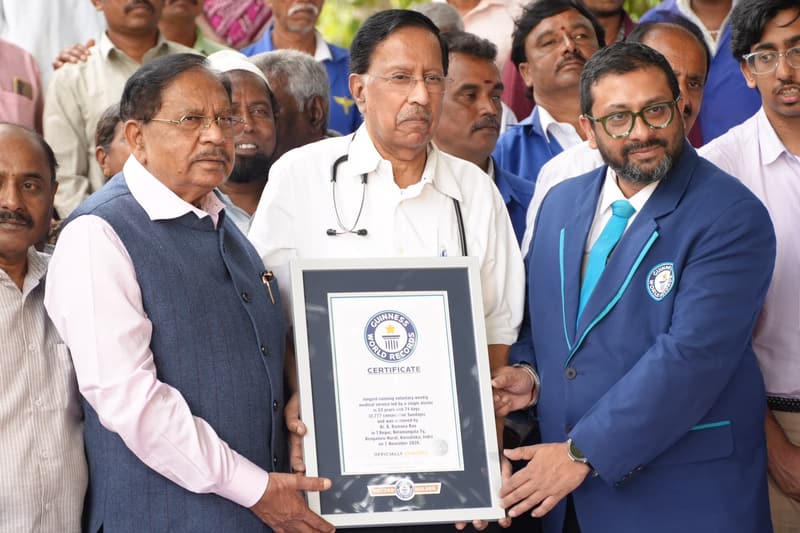
Padma Shri Dr B. Raman Rao enters Guinness World Records for treating over 33 lakh patients over 2777 Sundays

Karnataka CM Shivakumar inaugurates community hall with modern gym, badminton court in Bengaluru

BDA Chairman N.A. Haris joins citizens in Bengaluru Park cleanliness drive, calls for a green movement
More from Politics
Padma Shri Dr B. Raman Rao enters Guinness World Records for treating over 33 lakh patients over 2777 Sundays

Rahul Gandhi calls for rethinking democracy and economic models amid growing influence of tech giants