Kerala in talks with states, power companies to ease electricity crisis: CM Satheesan
Kerala Chief Minister V.D. Satheesan on Wednesday said the state government was in discussions with several states and power-producing agencies to secure additional electricity as the state continues to face a supply crunch and night-time power restrictions.
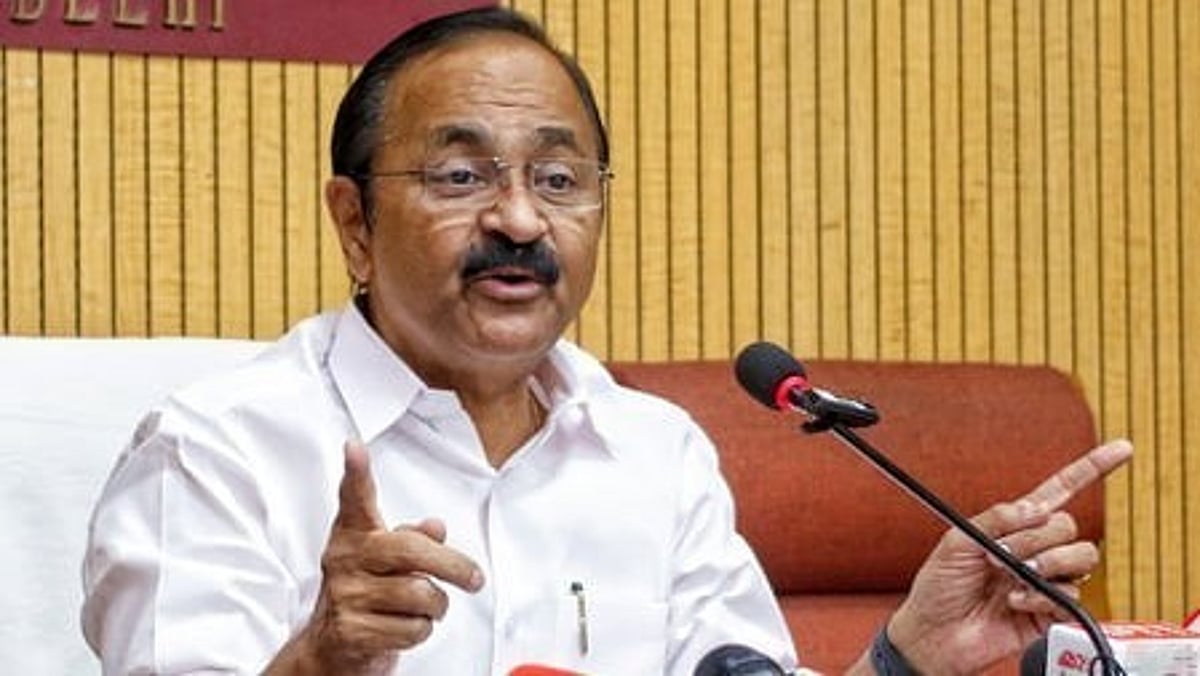
Satheesan said Kerala had already approached multiple states and had secured 150 MW through resale arrangements and another 150 MW from the Nuclear Power Corporation of India Ltd (NPCIL) at ₹4.65 per unit. Discussions are also underway with other states and power producers to arrange additional supplies.
The Chief Minister said the government expected the immediate crisis to come under control within a week. A separate power-supply plan is also being prepared for the period beginning October 1 and extending until the next monsoon, alongside a revised long-term electricity policy.
According to Satheesan, Kerala's electricity consumption has increased by around 925 MW compared with the corresponding period last year. Inadequate rainfall, limitations in internal generation, higher night-time demand and the absence of sufficient energy-storage capacity have contributed to the present situation.
Kerala currently generates around 2,500 MW from renewable sources, mainly solar power, but much of this generation is available during daylight hours. The lack of adequate battery or other storage systems limits its availability during evening and night-time demand peaks.
The Chief Minister said Kerala was also examining long-term power purchase arrangements while remaining mindful of the regulatory price ceiling. He indicated that the state could not afford to procure electricity at rates as high as ₹30 per unit in the long term, despite such offers being available.
Satheesan said Kerala's present requirement of around 5,000–6,000 MW could rise to 10,000 MW by 2030, driven by increasing household consumption and emerging industries, including semiconductors and artificial intelligence. The proposed long-term strategy will focus on renewable energy, storage and pumped-storage projects.
More from Kerala
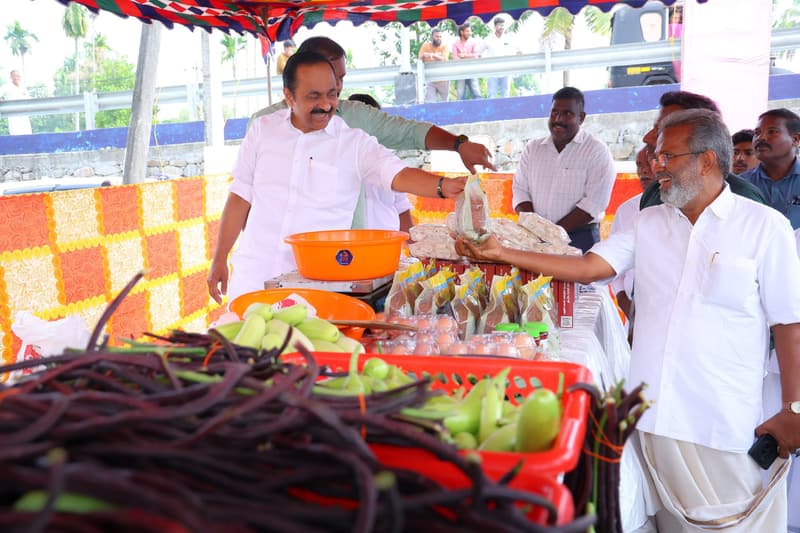
Keralam CM V. D. Satheesan inaugurates farm tourism project at Chathanad village hub

Mammootty named Brand Ambassador for Keralam’s ‘Jeeva Suyathra Mission’ to cut road accident deaths by 50%
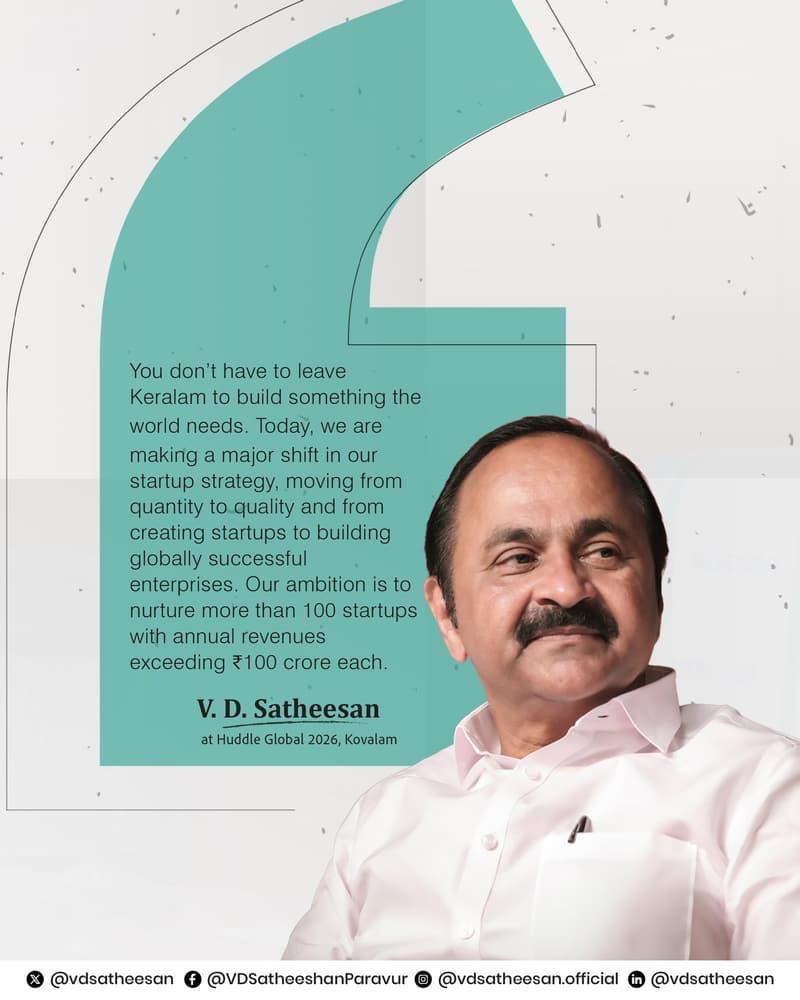
Keralam unveils scale-up mission, targets 100 startups with ₹100 crore annual revenue each
More from Environment
NHAI begins survey for 43-km elevated corridor to Srisailam; night travel could become possible
Cyberabad Police plan one-way traffic loop to ease congestion in Hyderabad’s IT corridor near IKEA junction