Keralam Assembly passes resolution seeking removal of Chief Election Commissioner Gyanesh Kumar
The Keralam Legislative Assembly on Monday passed a resolution seeking the removal of Chief Election Commissioner Gyanesh Kumar, making it the first state legislature in the country to adopt such a resolution. The move comes amid a political controversy over the Special Intensive Revision (SIR) of electoral rolls and concerns over the exclusion of eligible voters.
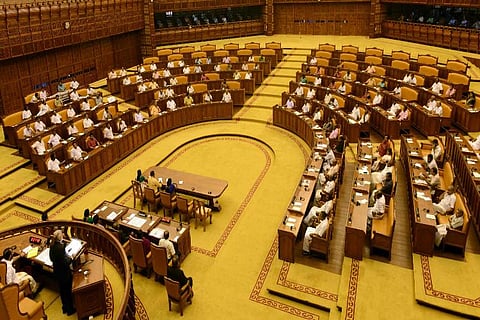
Chief Minister V.D. Satheesan moved the resolution, which called for corrective measures to address alleged irregularities in the voter-list revision exercise and the restoration of voting rights to eligible citizens whose names were wrongly deleted.
The resolution raised concerns over the alleged exclusion of voters without adequate notice or clear criteria. It also questioned the Election Commission’s impartiality and called for measures to safeguard the integrity of the electoral process.
The resolution outlined three major demands. First, it sought the correction of alleged irregularities in the SIR process and the restoration of voting rights to eligible voters who had been wrongfully excluded.
Second, it urged the initiation of proceedings to remove Kumar as Chief Election Commissioner, citing concerns over the impartiality of the Election Commission.
Third, it called for restructuring the committee responsible for selecting the Chief Election Commissioner and other Election Commissioners. The Assembly proposed a selection panel comprising the Prime Minister, the Leader of the Opposition in the Lok Sabha and the Chief Justice of India, arguing that the arrangement would strengthen the institution’s independence and credibility.
The resolution was passed with amendments. Three BJP members opposed it, reflecting the political differences over the allegations against the Election Commission and the conduct of the electoral-roll revision process.
The Assembly’s resolution does not itself remove the Chief Election Commissioner. Removal of the CEC is governed by a separate constitutional procedure involving Parliament.
Following the passage of the resolution, Satheesan reiterated that the right to vote was fundamental to democracy and said the constitutional rights of citizens must be protected.
The development adds a new dimension to the national debate over electoral-roll revisions, voter inclusion and the independence of constitutional institutions.
More from Kerala
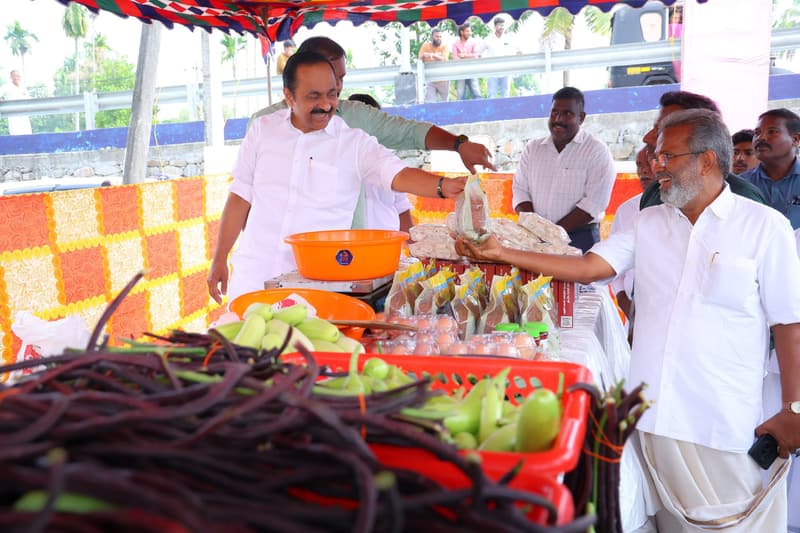
Keralam CM V. D. Satheesan inaugurates farm tourism project at Chathanad village hub

Mammootty named Brand Ambassador for Keralam’s ‘Jeeva Suyathra Mission’ to cut road accident deaths by 50%

Keralam unveils scale-up mission, targets 100 startups with ₹100 crore annual revenue each
More from Politics
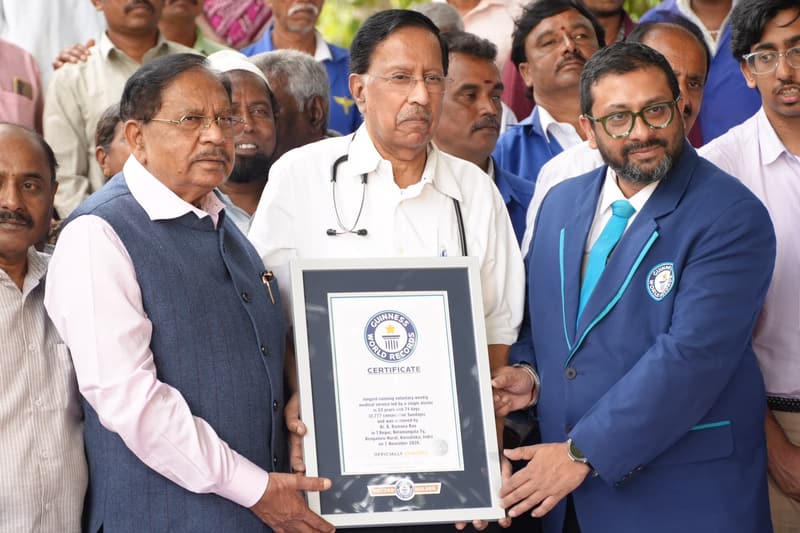
Padma Shri Dr B. Raman Rao enters Guinness World Records for treating over 33 lakh patients over 2777 Sundays
Rahul Gandhi calls for rethinking democracy and economic models amid growing influence of tech giants