Keralam Government plans ₹9.6-crore vehicle purchase despite CM’s earlier call against new cars
The Keralam government's reported decision to purchase 24 new vehicles at an estimated cost of ₹9.6 crore has triggered questions over consistency in government spending, particularly in light of Chief Minister V. D. Satheesan's earlier remarks that purchasing new cars was unnecessary
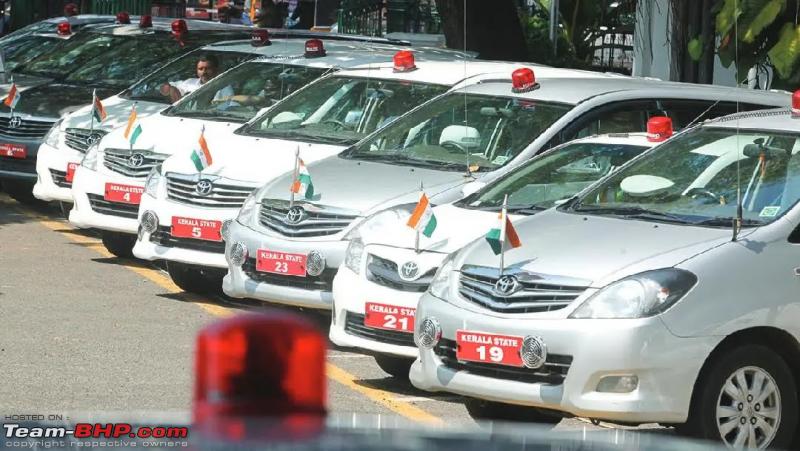
According to news reports, the proposed procurement is intended to provide vehicles for ministers, the Chief Secretary and other senior government functionaries. The move has drawn attention because it appears to contrast with the Chief Minister's previously stated position on avoiding unnecessary vehicle purchases.
The government order, issued by the General Administration Department, approves the purchase of 24 Toyota Innova Hycross ZX(O) Strong Hybrid vehicles. Of these, 22 are earmarked for ministers and the Chief Secretary, while two will be reserved for protocol duties involving visiting dignitaries and other official guests.
The Tourism Department has been assigned responsibility for the procurement and instructed to follow prescribed procedures, exercise financial prudence and secure competitive prices. The expenditure will be charged to the budget allocation for vehicle purchases.
Defending the decision, the government has cited the ageing condition of its existing fleet and increasing expenditure on repairs and maintenance. It has argued that dependable vehicles are essential for ministers and senior officials undertaking administrative duties, field inspections and official engagements.
However, the purchase has revived scrutiny of Satheesan's earlier emphasis on austerity. He had previously argued that using an existing government vehicle, rather than purchasing a new one, would send an appropriate message to the public. He had also cautioned against displays of luxury associated with political power.
The controversy comes against the backdrop of Keralam's financial challenges. The government has acknowledged significant fiscal pressures and published a white paper examining the state's financial position.
The proposed expenditure has consequently raised a broader question about whether replacing official vehicles on this scale is consistent with the administration's commitment to fiscal discipline.
While the government maintains that the purchases are justified by operational requirements and maintenance costs, the decision has placed renewed attention on the gap between its earlier austerity messaging and current spending priorities.
More from Kerala
More from Politics
Tamil Nadu’s ‘Giant Killer’ V. S. Babu, who defeated M. K. Stalin, dies at 75
Keralam CM V. D. Satheesan meets PM Modi in Delhi, seeks Centre’s support for State’s development