Keralam orders statewide petrol pump inspections over excess ethanol blending concerns
The Government of Keralam has ordered intensified inspections at petrol pumps across the State following growing consumer complaints and reports of irregularities in ethanol blending detected during inspections in neighbouring Karnataka. The exercise aims to determine whether petrol being sold to motorists contains ethanol beyond the prescribed permissible limits
The State's Civil Supplies Department has been directed to conduct inspections and collect fuel samples for laboratory analysis. In the first phase, officials have collected samples from nine petrol pumps across Thiruvananthapuram, Ernakulam, Kozhikode and Kannur districts. The samples, collected under prescribed procedures, will be examined at accredited laboratories to establish ethanol content and verify compliance with applicable fuel quality standards.
The government expects the laboratory findings within ten days and has indicated that the inspection drive will subsequently be extended to additional petrol pumps across Keralam. Officials have been instructed to initiate stringent legal action wherever violations of prescribed standards are established.
The move comes amid concerns about the implications of ethanol-blended petrol for vehicle performance, maintenance expenditure and consumer interests. While ethanol blending forms part of India's strategy to reduce dependence on imported petroleum and promote alternative fuels, questions have emerged about transparency in blending percentages and compliance with quality specifications.
The State government has also drawn attention to concerns raised by Congress leader Rahul Gandhi regarding ethanol blending practices across the country. It has called upon the Union government to disclose the actual proportion of ethanol being blended into petrol and explain the measures being taken against companies found violating permissible limits.
The issue assumes significance as India has been progressively expanding its ethanol blending programme, with E20 petrol, containing approximately 20 per cent ethanol, becoming an important component of the country's fuel policy. However, the government's inspection initiative focuses specifically on determining whether the fuel supplied at retail outlets conforms to applicable standards rather than questioning ethanol blending itself.
The Keralam government maintained that consumers are entitled to accurate information about the composition and quality of the fuel they purchase, particularly when it can influence vehicle efficiency, compatibility and maintenance costs. It emphasised that protecting consumer rights must take precedence over the commercial interests of fuel suppliers.
The State has also stressed the need for accountability among oil marketing companies and retail fuel outlets, asserting that any departure from prescribed specifications must be investigated and addressed through appropriate legal measures.
The findings from the initial nine petrol pumps are expected to provide an early indication of whether excessive ethanol blending is occurring at the retail level. Until the laboratory results are available, no conclusion can be drawn regarding violations at the outlets inspected.
By expanding inspections and seeking greater transparency from the Union government, Keralam aims to strengthen fuel quality monitoring and ensure that motorists receive petroleum products that comply with established standards.
More from Kerala
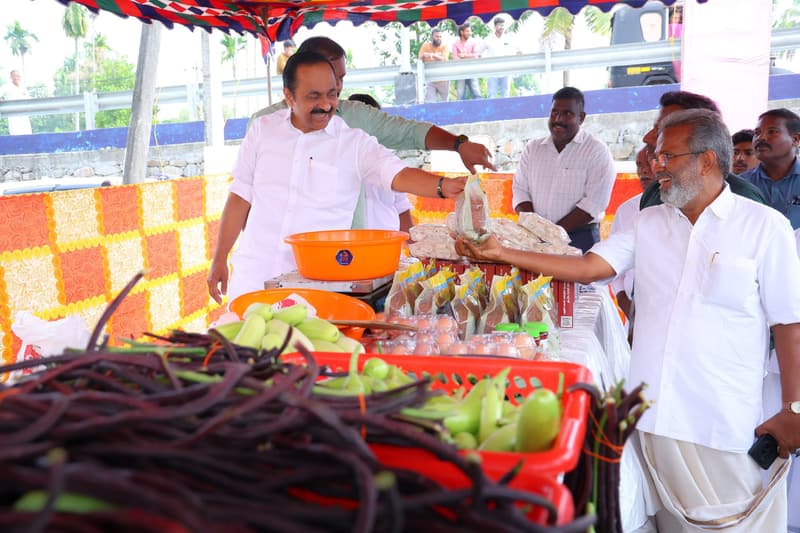
Keralam CM V. D. Satheesan inaugurates farm tourism project at Chathanad village hub

Mammootty named Brand Ambassador for Keralam’s ‘Jeeva Suyathra Mission’ to cut road accident deaths by 50%

Keralam unveils scale-up mission, targets 100 startups with ₹100 crore annual revenue each
More from Politics
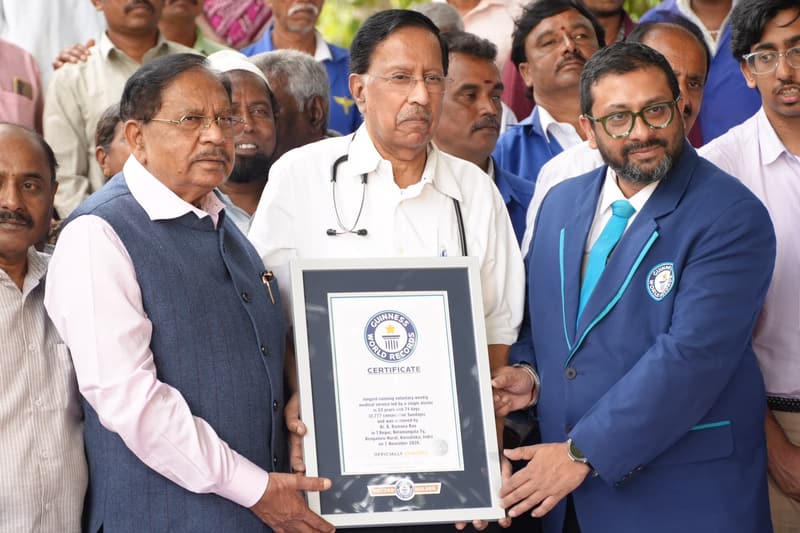
Padma Shri Dr B. Raman Rao enters Guinness World Records for treating over 33 lakh patients over 2777 Sundays

Rahul Gandhi calls for rethinking democracy and economic models amid growing influence of tech giants