Keralam power purchase row: Government defends GNA agreement, accuses Pinarayi Vijayan of misleading people
The UDF government in Keralam has strongly defended its decision to opt for the General Network Access (GNA) route for power procurement, rejecting allegations raised by Opposition Leader Pinarayi Vijayan over the state's electricity purchase agreements.
The government maintained that its decision was driven by the need to ensure uninterrupted electricity supply, particularly during non-solar hours and periods of peak demand, while avoiding unnecessary financial burdens on consumers.
In a detailed rebuttal, the government challenged Vijayan's claim that Keralam could have secured electricity from Himachal Pradesh at ₹12.50 per unit instead of opting for the GNA arrangement.
The government questioned the Opposition Leader's claim that Himachal Pradesh had reduced its proposed electricity tariff from ₹14.50 to ₹12.50 per unit.
Referring to an official note dated October 29, 2026, issued by the former KSEB Chairman, the government said the reduced tariff could not be considered confirmed without written acceptance from the competent authority in Himachal Pradesh. It maintained that no such confirmation had been received by KSEB.
According to the government's explanation, the proposal routed through intermediary PTC carried a tariff of ₹14.50 per unit, including the intermediary's margin. It also pointed out that Rajasthan had approved a power purchase arrangement at ₹15.50 per unit on October 17.
The government challenged Vijayan to produce documentary evidence confirming the availability of electricity from Himachal Pradesh at ₹12.50 per unit.
Explaining why GNA was preferred, the government said the arrangement offered greater reliability during non-solar hours and evening peak-demand periods.
According to KSEB's assessment cited by the government, GNA would provide an additional 385 million units of electricity during non-solar hours compared with the Himachal proposal.
The government also highlighted the difference in availability during the evening peak period between 6.30 pm and 10.30 pm. It said the proposed 500 MW supply through GNA was substantially higher than the average supply available under the Himachal proposal during December to March.
Additional daytime electricity availability would also help the state conserve its hydroelectric resources for the summer months, when demand could rise and water availability could become a concern.
The government further argued that the Himachal proposal exceeded the ₹10-per-unit upper tariff specified by the Regulatory Commission, potentially creating additional financial implications.
It also questioned the Opposition's criticism of GNA, pointing out that the previous government led by Pinarayi Vijayan had itself procured electricity through the same route on multiple occasions.
The government rejected allegations that the power shortage was artificially projected to justify the procurement decision.
It said Keralam had experienced power cuts in September and that emergency electricity purchases from other states and public-sector entities had helped prevent further disruptions in October.
KSEB had reportedly conducted six competitive tenders through the Union Ministry of Power's DEEP portal but failed to secure sufficient electricity to meet the state's requirements, particularly during non-solar hours.
The government also cited the former KSEB Chairman's official note, which warned that deficient rainfall, limited hydropower availability and reported El Niño conditions could result in prolonged power cuts, including during the summer, unless firm replacement supplies were secured.
Responding to the Opposition Leader's argument that electricity was available in the market at around ₹5 per unit and that GNA would cost an additional ₹3.50 per unit, the government questioned why the Himachal proposal was being defended despite its higher quoted tariff.
It argued that electricity procured at ₹14.50 per unit would represent an additional ₹9.50 per unit compared with the cited market price of ₹5.
The government accused the Opposition of selectively comparing tariffs while overlooking the cost implications of the alternative proposal.
The government also addressed allegations that the Chief Minister's Office had bypassed the Electricity Minister in taking the procurement decision.
It clarified that the file had been officially forwarded to the Chief Minister by the Electricity Minister for a decision and had not been independently summoned by the Chief Minister's Office.
The Chief Minister maintained that the decision was taken after examining comparative tariffs, peak-hour electricity availability, supply reliability and the financial implications for the state.
He said the government had been elected to exercise judgement in the interests of the people rather than mechanically approve every proposal placed before it.
The government also brought the previous electricity procurement decisions of the LDF government into the debate.
It claimed that the previous UDF government had secured a long-term electricity purchase agreement at ₹4.29 per unit for 25 years. According to the government's statement, the Pinarayi Vijayan government cancelled the agreement after eight years of utilisation, subsequently leaving the state dependent on purchases from private agencies at rates reportedly reaching ₹14 per unit.
The government questioned the Opposition Leader's credibility in raising concerns over financial prudence in electricity procurement, given the decisions taken during the previous administration.
Reaffirming its position, the UDF government said it would prioritise reliable electricity supply while ensuring that consumers were not subjected to avoidable power cuts or unjustified financial burdens.
The power procurement controversy has now developed into a major political confrontation in Keralam, with the government and the Opposition presenting sharply different assessments of the available supply options, tariff commitments and the financial implications for the state.
More from Kerala
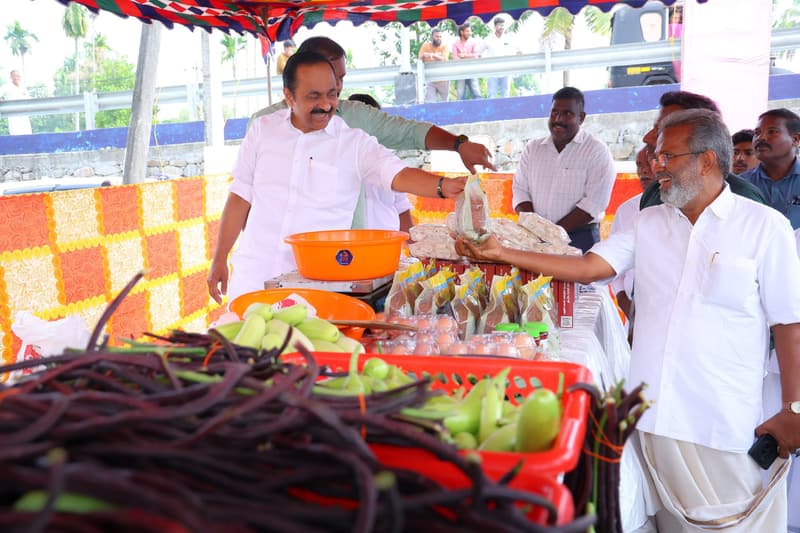
Keralam CM V. D. Satheesan inaugurates farm tourism project at Chathanad village hub

Mammootty named Brand Ambassador for Keralam’s ‘Jeeva Suyathra Mission’ to cut road accident deaths by 50%

Keralam unveils scale-up mission, targets 100 startups with ₹100 crore annual revenue each
More from Politics
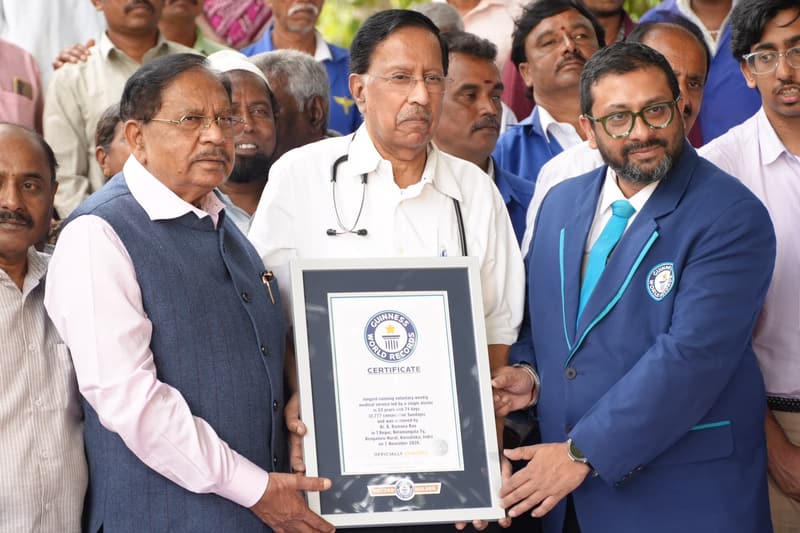
Padma Shri Dr B. Raman Rao enters Guinness World Records for treating over 33 lakh patients over 2777 Sundays
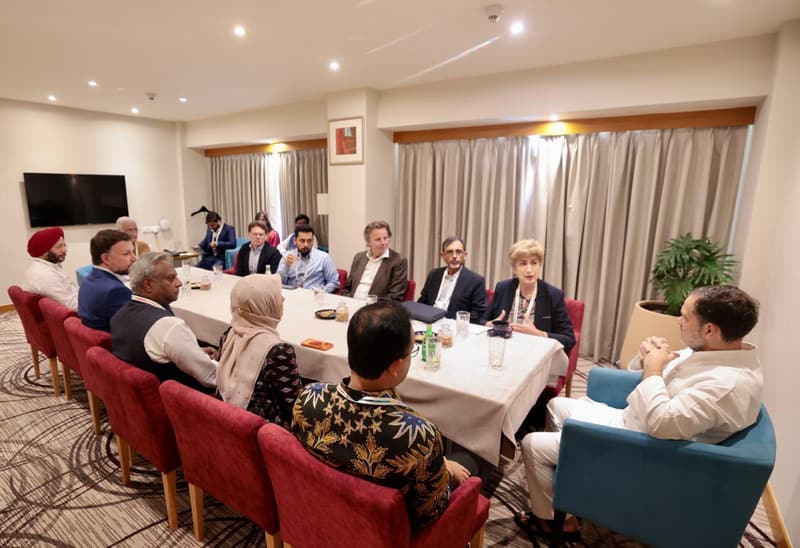
Rahul Gandhi calls for rethinking democracy and economic models amid growing influence of tech giants