Keralam State Assembly passes SARAL Bill to fast-track investment approvals
The Keralam Legislative Assembly on Thursday passed the Simplified and Accelerated Regulatory Approvals and Licensing (SARAL) Keralam Bill, 2026, aimed at simplifying statutory clearances and accelerating investment projects in the state. The legislation was passed after incorporating a limited number of amendments from more than 1,800 proposed by legislators.
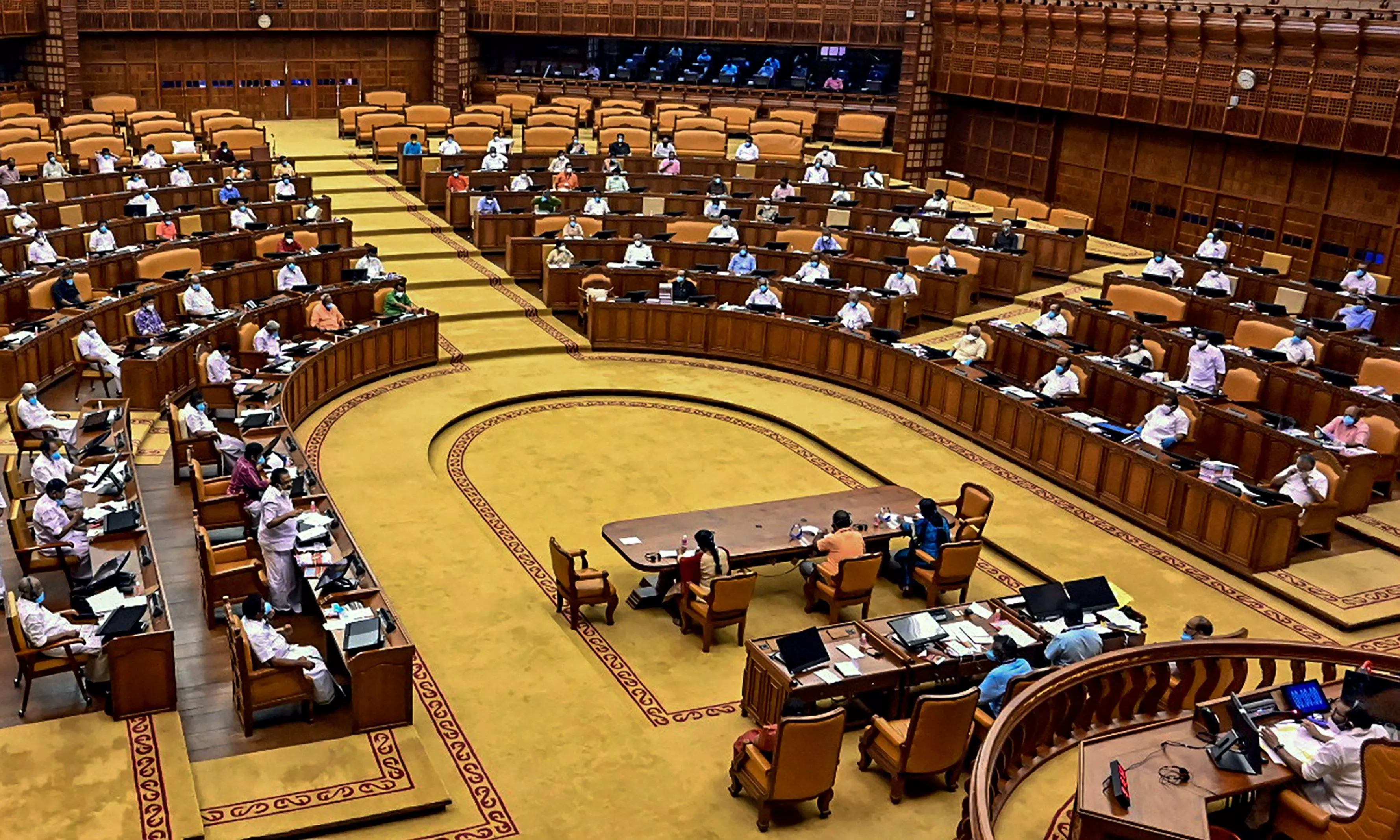
The Bill introduces a single statutory mechanism for processing eligible investment proposals under the principle of “One State, One Approval, One Document”. It seeks to reduce delays caused by multiple applications and approvals from different government departments. Under the proposed framework, eligible projects involving investments above ₹25 crore will be processed through state- and district-level approval mechanisms, with a maximum period of 75 days for a final decision on a complete application.
Chief Minister V.D. Satheesan defended the legislation, saying it would make Keralam more attractive to investors while ensuring that statutory scrutiny and safeguards remained in place. Industries Minister P.K. Kunhalikutty, who piloted the Bill, maintained that the reform would not bypass existing laws and that officials would retain their technical scrutiny and inspection responsibilities. The government also said environmental protection, public health, employee welfare and safety would not be compromised.
However, the Bill triggered strong opposition over its potential implications for paddy fields, wetlands and local self-governance. Opposition leader Pinarayi Vijayan criticised the legislation, arguing that concentrating approval powers in committees could weaken the authority of local bodies and expose ecologically sensitive land to pressure from large corporate interests. Independent MLA G. Sudhakaran also raised concerns about the possible impact on agricultural land and water resources, calling for stronger safeguards.
The opposition sought amendments to address these concerns. After the government did not accept its demands, the Left Democratic Front (LDF) members boycotted the remaining proceedings and stayed away from the passage of the Bill. The government rejected the criticism, asserting that district collectors would retain powers to prevent illegal land reclamation and that no development project damaging the environment or livelihoods would be permitted.
The passage of the SARAL Bill marks a significant step in the state government’s effort to streamline industrial approvals. Its implementation will now be closely watched by investors, environmental groups and local communities, particularly over how the proposed faster-clearance mechanism balances economic development with protection of agricultural land and ecological resources.
More from Kerala

Keralam CM V. D. Satheesan inaugurates farm tourism project at Chathanad village hub

Mammootty named Brand Ambassador for Keralam’s ‘Jeeva Suyathra Mission’ to cut road accident deaths by 50%

Keralam unveils scale-up mission, targets 100 startups with ₹100 crore annual revenue each
More from Business

Shree Cement unveils ₹7,000 crore investment plans for three cement plants in Andhra Pradesh

Aster DM Quality Care invests ₹500 crore in 300-bed multispecialty hospital at Hyderabad’s Kondapur