Koraga families still await safe homes despite Govt housing aid
For many families belonging to Karnataka’s Koraga community, a government-sanctioned house remains an unfinished promise, with financial constraints, land documentation problems and procedural hurdles preventing them from securing a permanent roof.
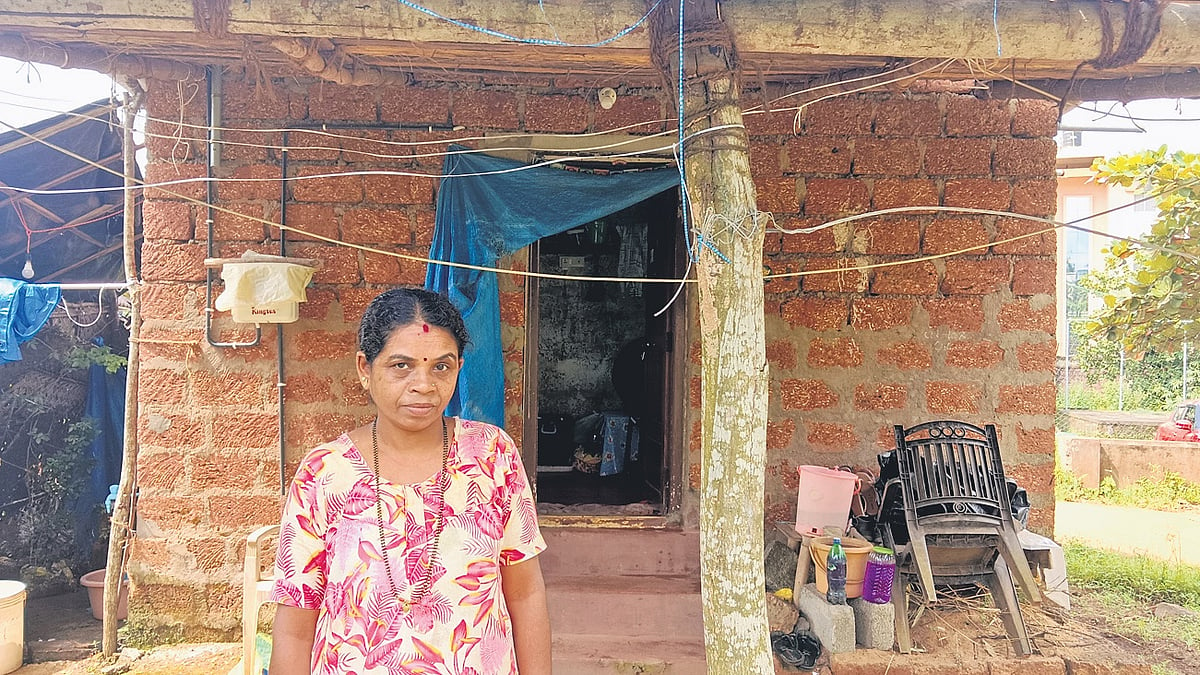
The Koragas, classified as a Particularly Vulnerable Tribal Group (PVTG), live in parts of Dakshina Kannada and Udupi. Despite several housing initiatives, many beneficiaries have struggled to turn official sanctions into completed homes.
Under the Centre’s PM Janman programme, implemented alongside Karnataka’s housing schemes, assistance for a housing unit was increased to around ₹4.5 lakh from November 2023. However, officials say construction costs have risen substantially. In Dakshina Kannada, an assessment found that around ₹8 lakh may be required for a basic 300-square-foot house with a kitchen and toilet.
The gap is evident in Gundapadavu near Mangaluru, where several houses sanctioned years ago remain incomplete. In some cases, construction stopped after beneficiaries exhausted the initial instalments, while others lack proper title documents needed to access assistance.
According to the Dakshina Kannada ITDP, 170 Koraga families had applied for housing assistance and all were sanctioned support. Yet only about 30% had begun construction and merely 5% had completed their houses, highlighting the disconnect between sanction and delivery.
Community representatives say many families, largely dependent on daily-wage work and sanitation jobs, cannot arrange additional funds or obtain bank loans. Digital applications, geo-tagging requirements and land-record complications add to the difficulties.
Udupi has seen some success through charitable organisations and panchayats combining private donations, CSR funding and government assistance.
The experience has renewed calls for higher financial support, simpler procedures and stronger institutional assistance so that housing schemes translate into actual homes for Karnataka’s most vulnerable tribal families.
More from Karnataka
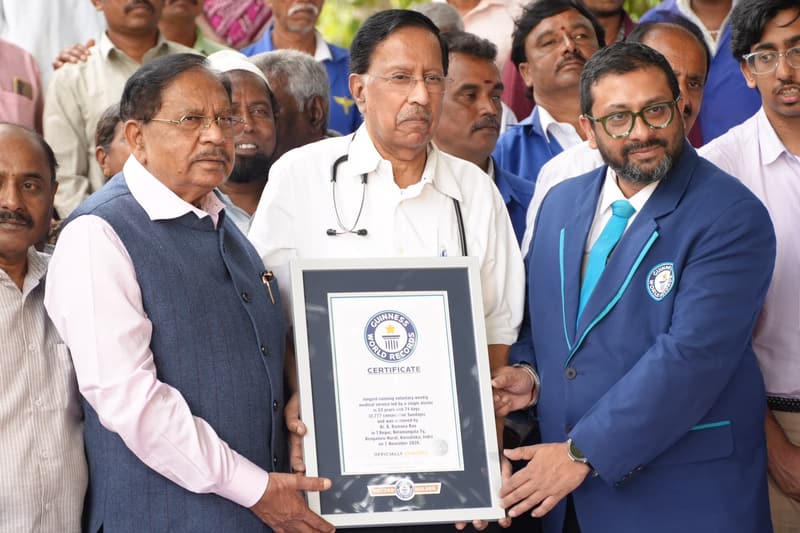
Padma Shri Dr B. Raman Rao enters Guinness World Records for treating over 33 lakh patients over 2777 Sundays
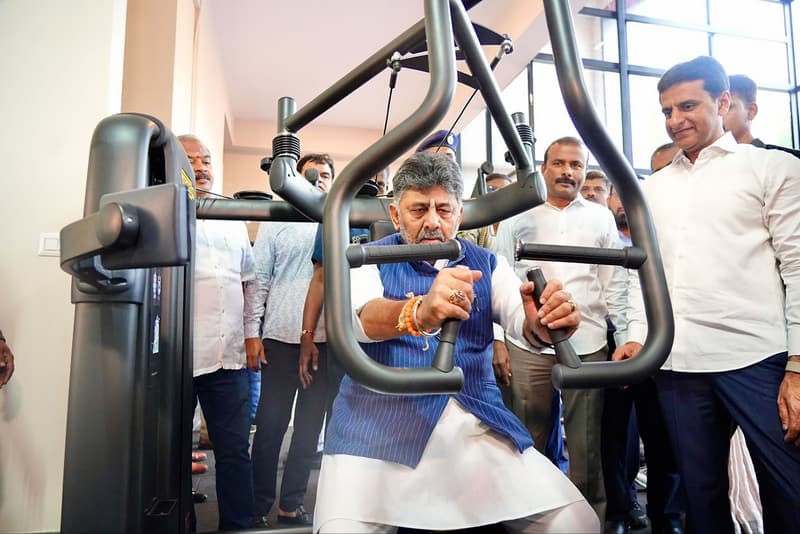
Karnataka CM Shivakumar inaugurates community hall with modern gym, badminton court in Bengaluru
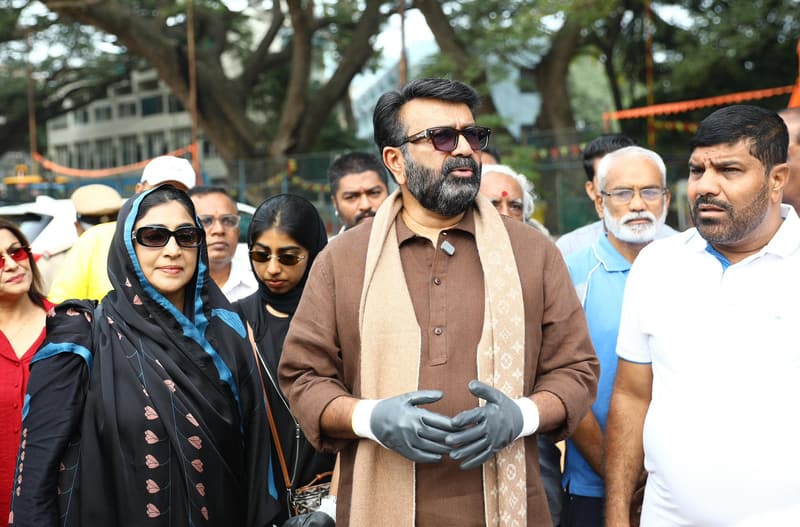
BDA Chairman N.A. Haris joins citizens in Bengaluru Park cleanliness drive, calls for a green movement
More from Politics
Padma Shri Dr B. Raman Rao enters Guinness World Records for treating over 33 lakh patients over 2777 Sundays
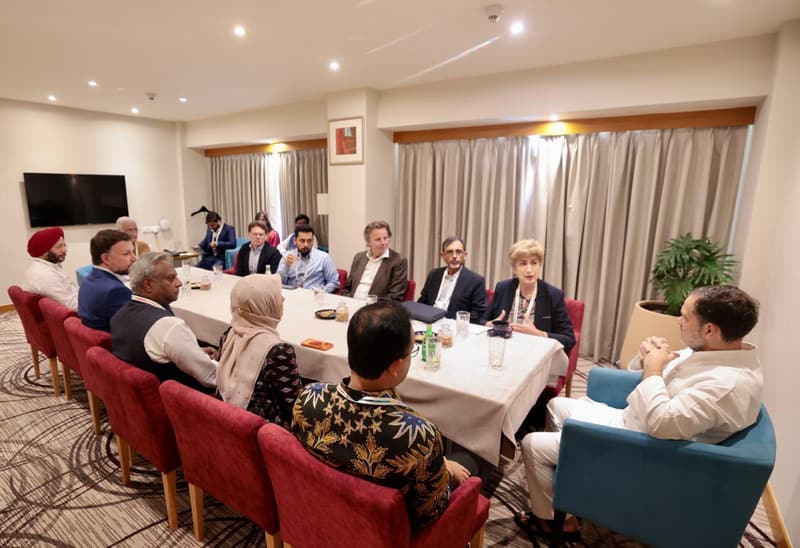
Rahul Gandhi calls for rethinking democracy and economic models amid growing influence of tech giants