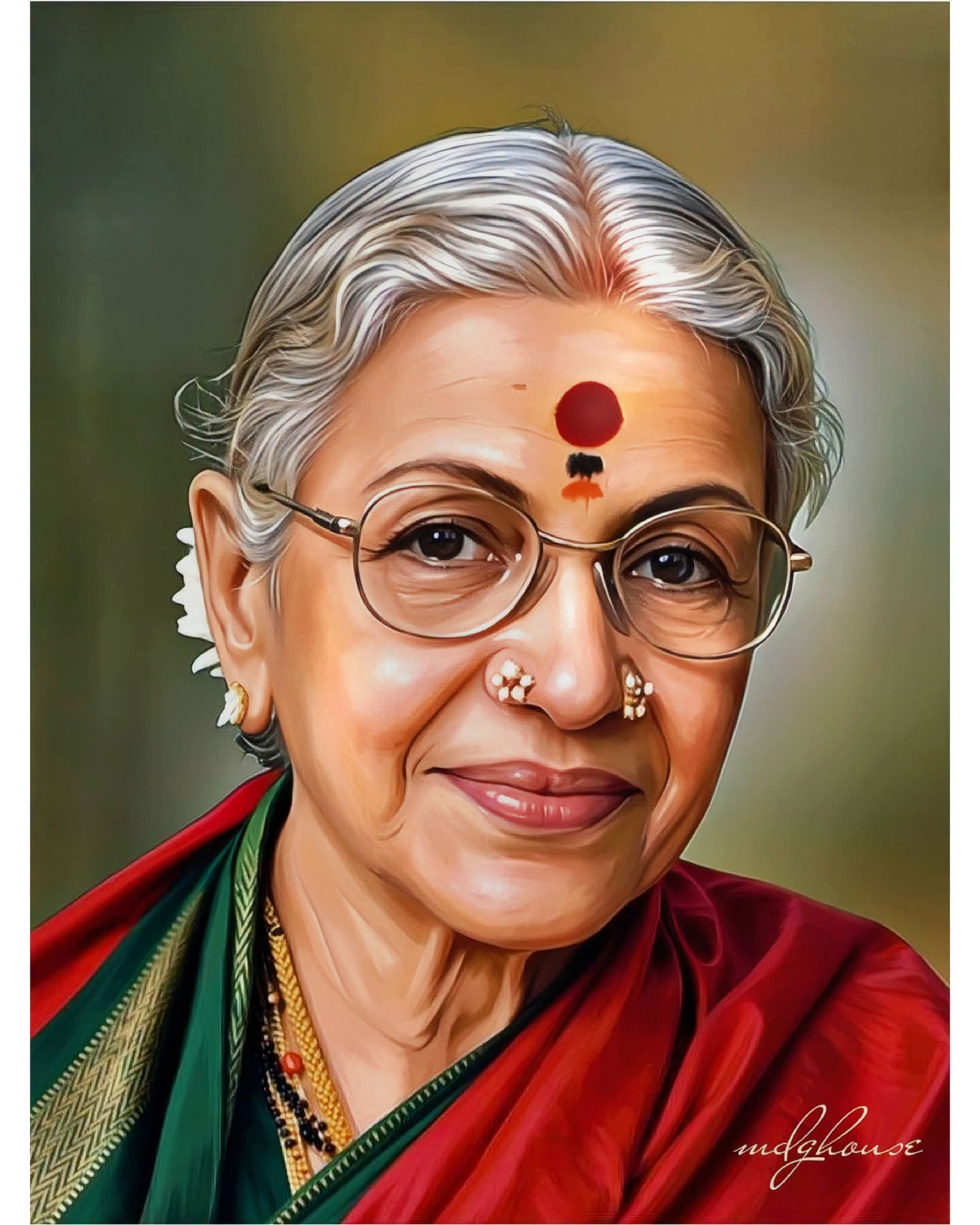
M.S. Subbulakshmi: The voice that carried Carnatic music to the World
From a child prodigy in Madurai to the first musician to receive the Bharat Ratna, M.S. Subbulakshmi transformed the reach of Carnatic and devotional music. Her voice became part of everyday life for millions, her music crossed India's cultural boundaries, and her 1966 United Nations performance placed an Indian classical musician on one of the world's most prominent stages. As her 110th birth anniversary is marked, her extraordinary legacy is also set to reach a new generation through cinema.
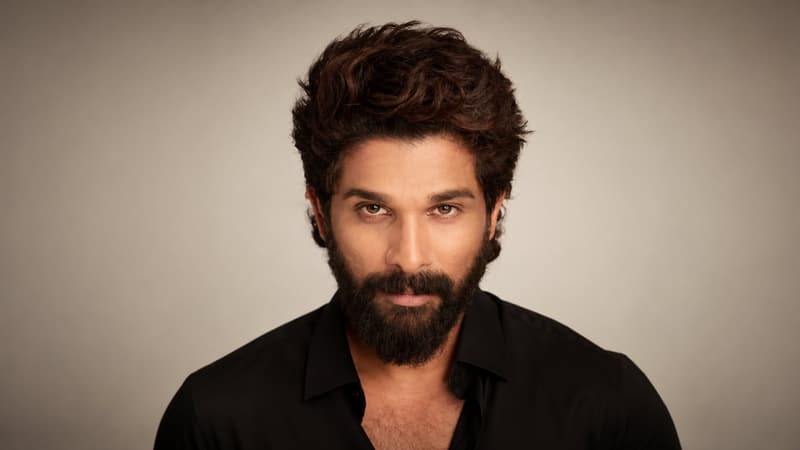
There are musicians whose performances are admired, and there are musicians whose voices become part of a culture's collective memory. Madurai Shanmukhavadivu Subbulakshmi belonged to the latter category.
Born in Madurai on September 16, 1916, Subbulakshmi grew up in an intensely musical environment. Her mother, Shanmukhavadivu, was a noted Veena player, and music became an integral part of her childhood. Within the family, the young Subbulakshmi was affectionately known as Kunjamma.
Her musical ability revealed itself remarkably early. She began performing while still a child and quickly attracted the attention of leading figures in the Carnatic music world. In 1932, she made a major impression at the Madras Music Academy, becoming the first woman performer at its Annual Conference. Her emergence marked an important moment in an era when the classical music stage was overwhelmingly dominated by men.
A Voice Shaped by Tradition
Subbulakshmi's musical education was extensive. After receiving her early training from her mother, she studied under celebrated Carnatic vocalist Semmangudi Srinivasa Iyer. She also received training in Hindustani classical music from Pandit Narayanrao Vyas. This grounding enabled her to move naturally between the highly structured world of Carnatic compositions and the devotional repertoire associated with North Indian traditions.
What distinguished her was not simply vocal ability. Her singing combined technical discipline with extraordinary clarity and devotional intensity. She could present sophisticated classical compositions while retaining a direct emotional connection with listeners who might have had little familiarity with classical music.
That ability helped carry Carnatic music beyond specialist concert audiences.
Her voice earned her memorable descriptions from some of India's greatest musical and cultural personalities. Sarojini Naidu called her the “Nightingale of India”, while Lata Mangeshkar described her as “Tapaswini”. Ustad Bade Ghulam Ali Khan referred to her as “Suswaralakshmi Subbulakshmi.”
From Cinema to the Concert Stage
Subbulakshmi also had a significant, though relatively brief, association with Indian cinema.
She appeared in films including Seva Sadanam (1938) and Meera (1945). Her portrayal of Mirabai in Meera brought her music to an even wider audience and established her as a major cultural figure beyond the concert platform.
But cinema was not to become the defining chapter of her life. Music remained her central calling.
Her marriage to T. Sadasivam, a freedom fighter and journalist, in 1940 became another important chapter in her journey. Sadasivam played a significant role in shaping and organising her professional career, while their partnership also became closely associated with several cultural and charitable initiatives.
The Voice of Devotion
Perhaps nowhere is Subbulakshmi's impact more deeply felt than in devotional music.
Her renditions of Venkateswara Suprabhatam, Vishnu Sahasranamam and Bhaja Govindam became enormously popular across South India and beyond. Her rendition of Venkateswara Suprabhatam continues to be played at Tirumala as part of the daily ritual, giving her voice a unique place in the devotional life of millions.
Her association with Tirumala was also institutional. TTD recognised her as a permanent Asthana Vidwan in 1975.
For Telugu-speaking audiences, another important part of her legacy is her contribution to the popularisation of Annamacharya's compositions. Her recordings helped take the centuries-old devotional compositions of the Telugu saint-composer to audiences far beyond their traditional geographical and musical settings.
Her repertoire extended across languages and traditions, including Tamil, Telugu, Kannada and Hindi devotional compositions.
Taking Indian Music to the World
Subbulakshmi's career was not confined to India.
She performed at prestigious international venues and festivals, including the Edinburgh International Festival and the Royal Albert Hall in London, where she performed before Queen Elizabeth II.
But one international appearance stands apart.
In 1966, Subbulakshmi became the first Indian musician to perform at the United Nations General Assembly in New York. The performance gave an Indian classical musician an extraordinary international platform and became one of the defining moments of her career.
Among the works associated with that historic appearance was Maithreem Bhajata, a Sanskrit composition carrying a message of friendship, peace and universal welfare. The piece was written by the Kanchi Paramacharya, Chandrasekharendra Saraswati.
The significance of the performance went beyond music. Subbulakshmi's voice became an ambassador for an Indian artistic tradition while the message of the composition spoke to a universal audience.
Music and Service
Subbulakshmi's contribution was not limited to performance.
According to the Press Information Bureau, she undertook more than 200 charity concerts during her career. She also donated royalties earned from devotional albums to the Tirumala temple. Her artistic success was therefore closely accompanied by a sustained commitment to philanthropy.
That combination of musical excellence, humility and public service became central to the image she left behind.
A Trail of Firsts
Her list of honours tells only part of the story.
She received the Padma Bhushan in 1954, the Ramon Magsaysay Award in 1974, and the Padma Vibhushan in 1975. In 1968, she became the first woman musician to receive the Sangita Kalanidhi title from the Music Academy, Madras.
Then came the highest national recognition.
In 1998, M.S. Subbulakshmi became the first musician to receive the Bharat Ratna, India's highest civilian honour. The award formally recognised a contribution that had already transcended the boundaries of Carnatic music.
She died in Chennai on December 11, 2004, aged 88.
But death did little to diminish her presence.
Her recordings continue to accompany religious rituals, festivals, family traditions and everyday mornings. For many listeners, the opening strains of her Venkateswara Suprabhatam do not merely represent a musical recording; they evoke Tirumala, devotion and an entire cultural memory.
A Legacy Now Returning to the Screen
More than a century after her birth, Subbulakshmi's story is once again entering the public imagination through cinema.
Rashmika Mandanna has been announced to portray M.S. Subbulakshmi in the upcoming biographical film M.S – A Legacy On Screen. Gowtam Tinnanuri is directing the project, while Anirudh Ravichander is composing the music. The project is being launched around Subbulakshmi's 110th birth anniversary.
It is an ambitious undertaking because the subject is larger than a celebrated singer.
M.S. Subbulakshmi's life encompasses the evolution of modern Indian classical music, the changing role of women on the concert stage, cinema's early relationship with classical arts, India's devotional traditions, international cultural diplomacy and an extraordinary commitment to charitable causes.
Her greatest achievement, however, may be simpler to describe.
She made an art form rooted in centuries of tradition feel immediate, intimate and universal.
And decades after her final concert, M.S. Subbulakshmi's voice continues to sing.
More from Andhra Pradesh

Shree Cement unveils ₹7,000 crore investment plans for three cement plants in Andhra Pradesh

AP plans ₹25,000 crore space manufacturing ecosystem, secures major investments in rocket technology
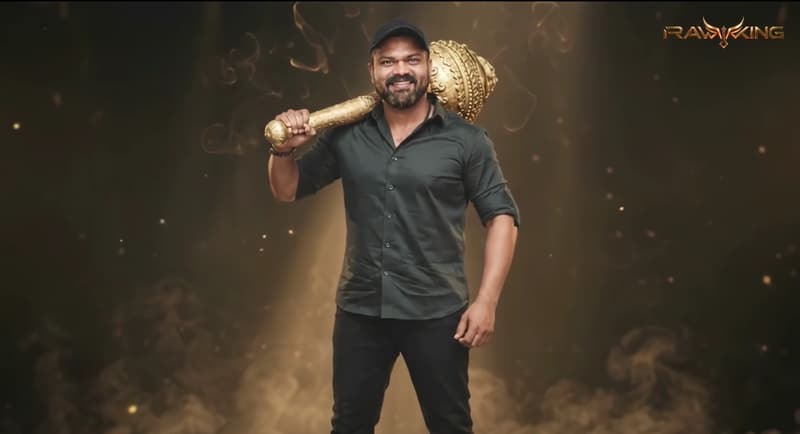
Manchu Manoj named Andhra Yuva Sankalp 2K26 Ambassador; initiative reaches all 28 AP districts
More from Entertainment
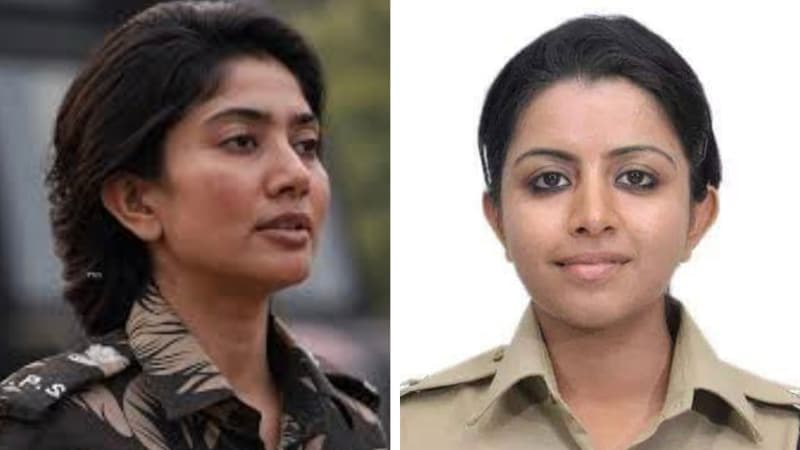
Sai Pallavi cuts her hair for ‘OM’, takes inspiration from IPS officer Merin Joseph; mother reacts in shock
Mahesh Babu–Rajamouli’s ‘Varanasi’ eyes record ₹290 crore Telugu States deal, set to surpass ‘RRR’