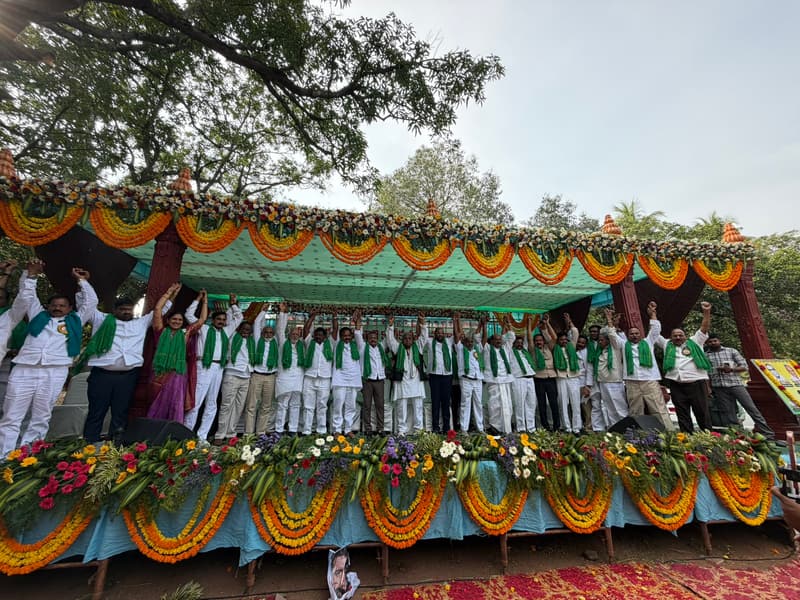
Melukote observes Deepavali as ‘Black Day’ in memory of alleged massacre of Mandayam Iyengars
While much of the country celebrated Deepavali with lights and festivities, the historic temple town of Melukote in Karnataka's Mandya district observed the occasion as a ‘Black Day’, commemorating the alleged massacre of members of the Mandayam Iyengar community during the reign of Tipu Sultan
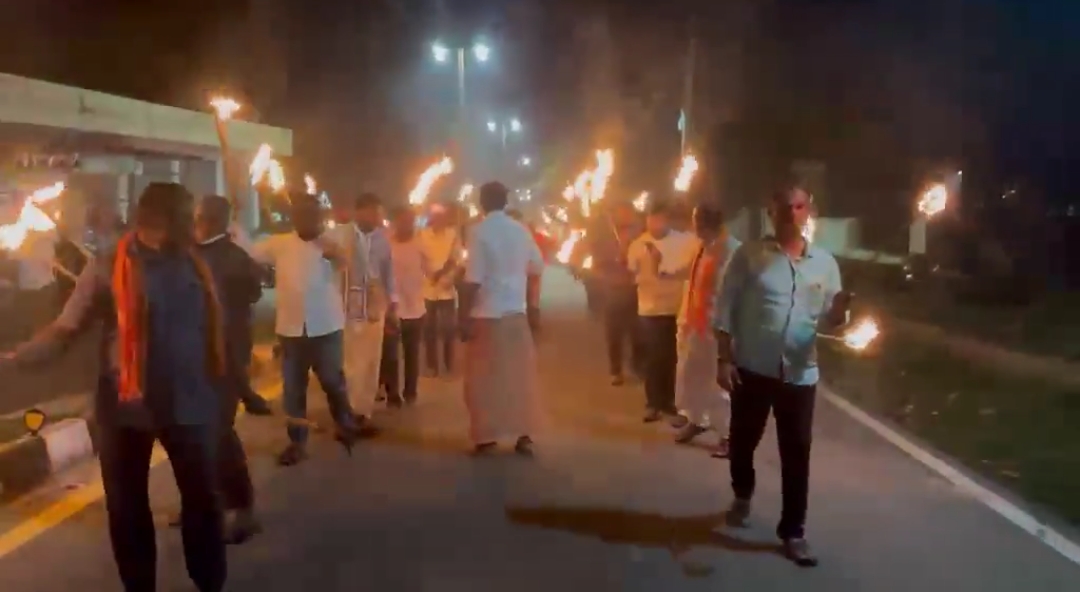
As part of the observance, BJP workers and pro-Hindu activists organised a torchlight procession through the town, condemning the killings attributed to Tipu Sultan's forces. The event brought renewed attention to a tragic episode that continues to shape the community's relationship with the festival.
According to accounts preserved by members of the Mandayam Iyengar community, hundreds of their ancestors were killed on the occasion of Naraka Chaturdashi during the late 18th century. The massacre is traditionally associated with Srirangapatna, which was then Tipu Sultan's capital, rather than Melukote itself. Community accounts state that the victims had gathered for religious observances when they were attacked.
The tragedy is believed to have led surviving members of the community to abandon Deepavali celebrations as a mark of mourning for their ancestors. The tradition has continued across generations, with sections of the Mandayam Iyengar community observing the day without lighting lamps or participating in the usual festivities.
The historical account, including the scale of the killings and the circumstances surrounding them, has been the subject of differing interpretations. While community narratives attribute the massacre to Tipu Sultan's forces, other accounts of his rule offer contrasting assessments of his relationship with Hindu communities.
The annual observance has also acquired a political dimension, particularly amid continuing debates in Karnataka over Tipu Sultan's historical legacy. The torchlight procession organised by BJP workers and pro-Hindu activists reflects how the episode continues to resonate in contemporary political and cultural discourse.
For the Mandayam Iyengar community, however, the occasion remains primarily a remembrance of their ancestors and a tradition of mourning passed down through generations.
More from Karnataka
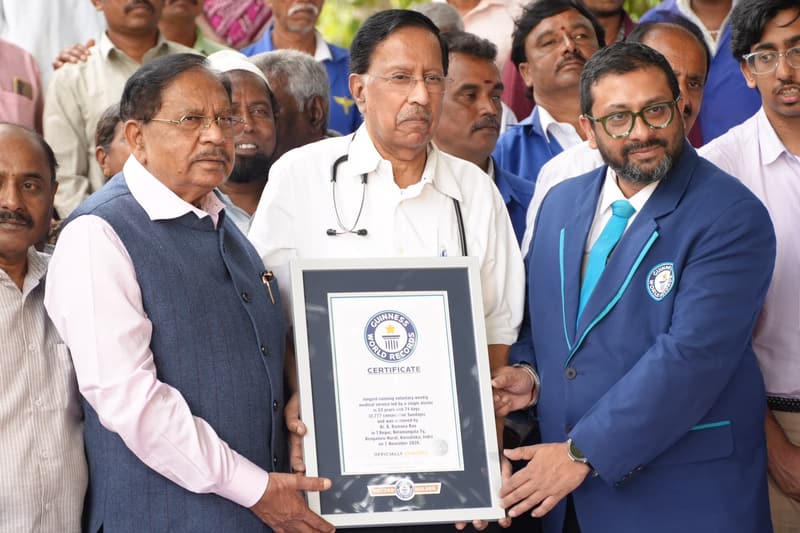
Padma Shri Dr B. Raman Rao enters Guinness World Records for treating over 33 lakh patients over 2777 Sundays

Karnataka CM Shivakumar inaugurates community hall with modern gym, badminton court in Bengaluru
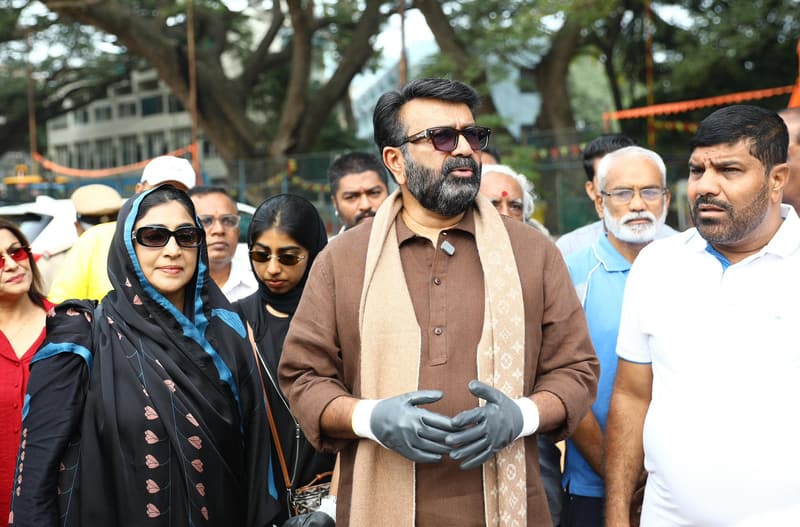
BDA Chairman N.A. Haris joins citizens in Bengaluru Park cleanliness drive, calls for a green movement
More from Politics
Padma Shri Dr B. Raman Rao enters Guinness World Records for treating over 33 lakh patients over 2777 Sundays
Rahul Gandhi calls for rethinking democracy and economic models amid growing influence of tech giants