‘My Wife Pays My Credit Card Bills’: Nara Lokesh's remark on Brahmani draws attention at CII Summit
Andhra Pradesh Minister Nara Lokesh brought a lighter moment to a discussion on women's financial independence at the CII Partnership Summit 2026 in Visakhapatnam, proudly revealing that his wife, Nara Brahmani, pays his credit card bills
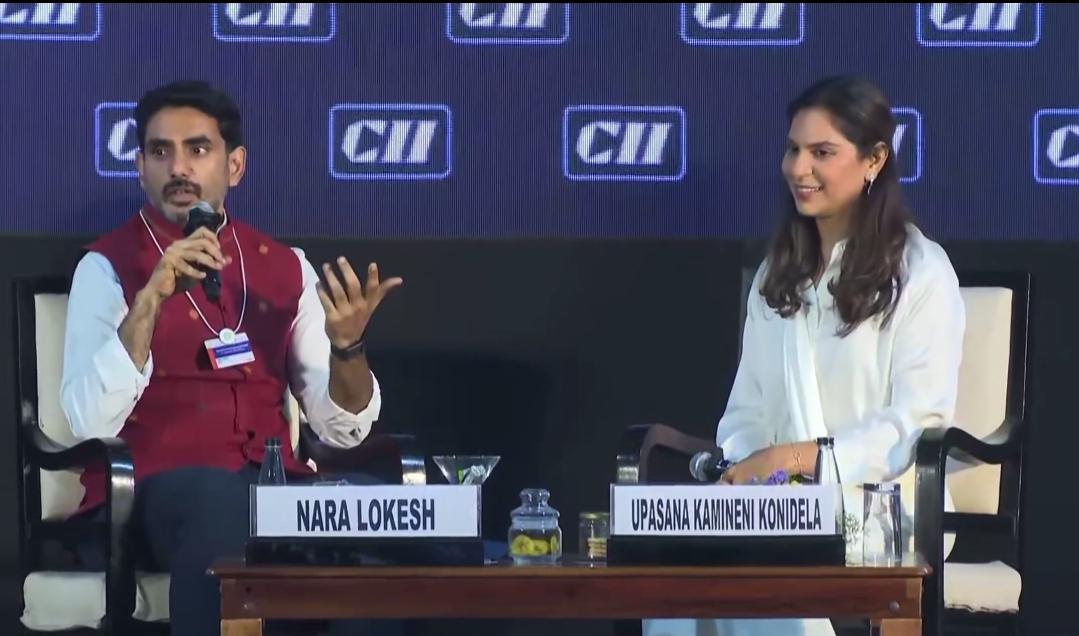
The remark came during an interaction with entrepreneur Upasana Kamineni Konidela, who spoke about the changing financial dynamics within families and the growing number of women earning more than their husbands.
Upasana observed that several women working in organisations associated with her were reluctant to disclose their actual salaries to their husbands because they earned more than their spouses. Her comments highlighted the social expectations surrounding income, gender roles and financial independence, even as women increasingly occupy senior professional and leadership positions.
Responding to her observation, Lokesh said his wife did not conceal her earnings from him and that he took pride in her financial success.
“Brahmani doesn't hide how much she is earning. I'm very proud to say that she pays my credit card bills,” Lokesh remarked, drawing attention to the importance of acknowledging women's financial achievements within families.
Brahmani, the daughter of actor and politician Nandamuri Balakrishna, is the Executive Director of Heritage Foods, a major dairy and food products company. She has been actively involved in the company's management and business development.
The exchange between Upasana and Lokesh brought an interesting dimension to the summit, which primarily focuses on investment, industry, entrepreneurship and economic development. Their conversation touched upon a broader social issue: the discomfort that can sometimes arise when women earn more than men in traditionally male-dominated family structures.
Upasana, who is associated with the Apollo Hospitals Group and is known for her entrepreneurial initiatives, has frequently spoken about women's empowerment, professional independence and the importance of creating supportive workplaces.
Lokesh's response offered a contrasting perspective, suggesting that a woman's higher income need not become a source of insecurity within a marriage. His public acknowledgement of Brahmani's financial contribution also underscored the changing expectations surrounding partnerships and household responsibilities.
The interaction comes at a time when women's participation in India's workforce, entrepreneurship and corporate leadership continues to receive increased attention. Despite advances in education and professional opportunities, social attitudes towards women earning more than their husbands remain an important subject of discussion.
The exchange at the CII Partnership Summit demonstrated how conversations about investment and economic progress can also open discussions about gender equality, financial transparency and changing family relationships.
While Upasana highlighted the hesitation some successful women experience in discussing their earnings at home, Lokesh's response conveyed a simple message: a spouse's professional and financial success can be a matter of shared pride rather than competition.
More from Andhra Pradesh

Shree Cement unveils ₹7,000 crore investment plans for three cement plants in Andhra Pradesh

AP plans ₹25,000 crore space manufacturing ecosystem, secures major investments in rocket technology

Manchu Manoj named Andhra Yuva Sankalp 2K26 Ambassador; initiative reaches all 28 AP districts
More from Politics
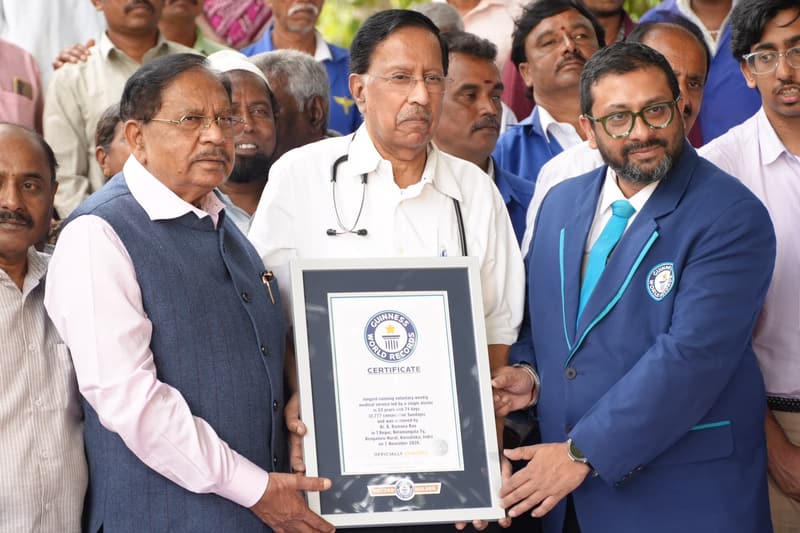
Padma Shri Dr B. Raman Rao enters Guinness World Records for treating over 33 lakh patients over 2777 Sundays
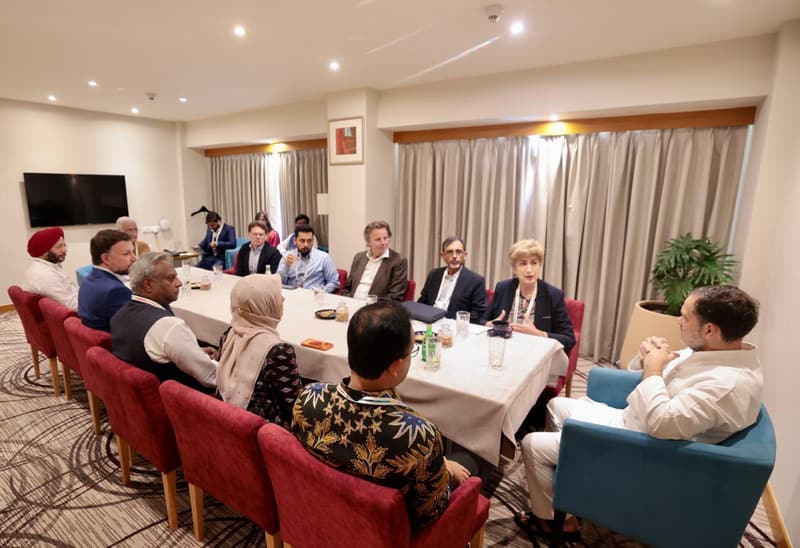
Rahul Gandhi calls for rethinking democracy and economic models amid growing influence of tech giants