Nearly 2 mn tonnes coal ready at Naini mine; yet Telangana faces supply constraints
Telangana is facing a coal supply challenge despite nearly two million tonnes of high-grade coal being ready for dispatch from the Singareni Collieries Company Limited’s (SCCL) Naini coal block in Odisha, with transportation bottlenecks restricting supplies to the State’s thermal power plants.
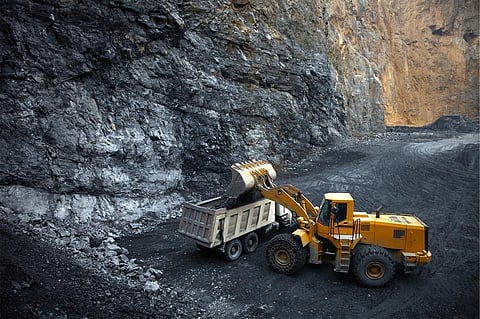
The Naini mine, located in Odisha’s Chhendipada belt, has grade-10 coal, which officials said is superior in quality to the G-12 and G-13 coal produced from Telangana’s own mines. However, SCCL is currently able to transport only about 8,000–10,000 tonnes a day, or less than 10% of the available stock, according to the report.
The issue has become significant for the Yadadri Thermal Power Station (YTPS) in Nalgonda district, which requires at least 14,000 tonnes of coal a day to operate at full capacity. Telangana Genco has indicated that the ultra-supercritical plant would ideally use G-9 grade coal for optimum performance.
The transportation problem has been attributed to inadequate dedicated rail and road connectivity as well as restrictions on movement through villages along the route. In Kosala village, for instance, coal transport is permitted only during a limited overnight window, while the absence of a bypass connecting to State Highway 63 has further complicated movement.
Coal transportation from Naini was also disrupted earlier this year following protests by villagers over accidents, pollution and road damage caused by heavy vehicle movement. The Angul district administration subsequently regulated transportation timings to address the issue.
With Naini supplies remaining uncertain, Chief Minister A. Revanth Reddy has directed the Energy Department and Telangana Genco to procure G-9 coal from Mahanadi Coalfields Ltd and ensure Yadadri operates at full capacity by Dasara.
SCCL is also backing a proposed 68-km coal corridor railway line connecting Balaram–Tentuloi–Jarapada, along with a proposed road bypass, though officials estimate the rail corridor could take at least three years to become operational.
More from Telangana
More from Politics
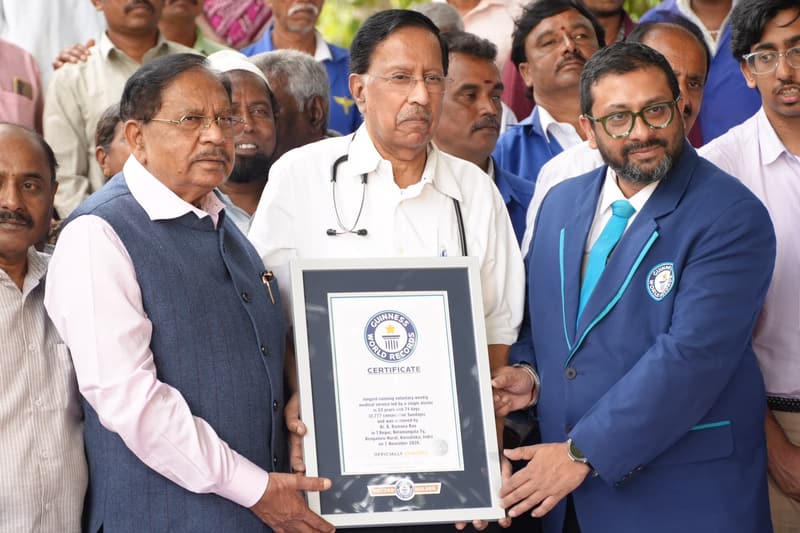
Padma Shri Dr B. Raman Rao enters Guinness World Records for treating over 33 lakh patients over 2777 Sundays
Rahul Gandhi calls for rethinking democracy and economic models amid growing influence of tech giants