Nellore Mayor Race: BJP could have an edge if TDP and Jana Sena leaders extend full support
The political contest for the Nellore mayor’s post is shaping up as a test of coordination within the ruling alliance, with the BJP potentially gaining an advantage if key Telugu Desam Party (TDP) leaders actively campaign for its candidate, according to a political analysis circulating on social media.
The analysis identifies Anam Vijay Kumar Reddy as the YSR Congress Party’s (YSRCP) candidate and says he is expected to receive support from Kakani Govardhan Reddy, Anil Kumar Yadav and MLC Chandrasekhar Reddy. However, it questions the extent of their ability to mobilise resources and campaign effectively.
The analysis suggests that Narayana-backed candidate Roop Kumar could face challenges because of Nellore’s local caste equations. It argues that the BJP has emerged as a potential beneficiary after the TDP stepped back from directly contesting the mayoral position.
Surendra Reddy is identified as a possible BJP candidate. The analysis says the BJP’s prospects could improve substantially if prominent TDP leaders, including Minister P. Narayana, Anam Ramanarayana Reddy, VBR, VSR, Somireddy Chandramohan Reddy and Sridhar Reddy, extend unequivocal support.
It argues that a united campaign by these leaders could give the BJP candidate a strong chance of victory. However, the extent of coordination between the alliance partners remains a key factor.
The analysis also discusses political divisions among Muslim voters in Nellore. It identifies Abdul Aziz as being with the TDP and Khalil Ahmed as being with the YSRCP, suggesting that different groups within the community may influence the contest.
These assessments reflect the author's interpretation of local political alignments and have not been independently verified.
The analysis expects Jana Sena Party to support the BJP candidate as part of the ruling alliance, drawing a parallel with its earlier support for alliance partners.
It concludes that the outcome could depend heavily on whether the TDP leadership delivers the support expected of it. If the BJP loses despite the alliance arrangement, the author argues, the TDP could face criticism for failing to back its partner.
The contest is therefore being framed as a test of the BJP–TDP alliance’s coordination in Nellore, with the coming campaign likely to reveal whether the partners can translate their combined political strength into electoral success.
More from Andhra Pradesh
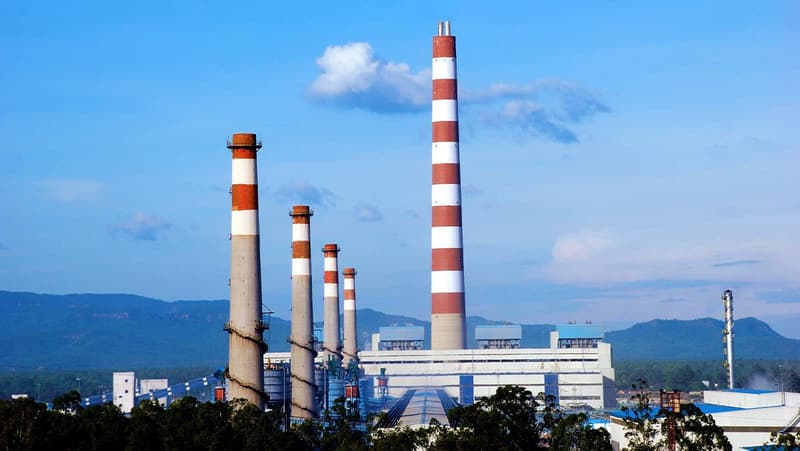
Shree Cement unveils ₹7,000 crore investment plans for three cement plants in Andhra Pradesh

AP plans ₹25,000 crore space manufacturing ecosystem, secures major investments in rocket technology

Manchu Manoj named Andhra Yuva Sankalp 2K26 Ambassador; initiative reaches all 28 AP districts
More from Politics
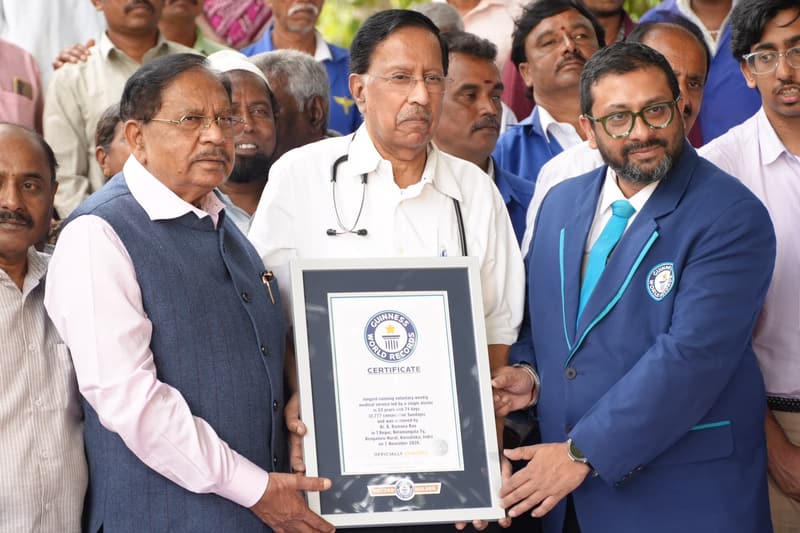
Padma Shri Dr B. Raman Rao enters Guinness World Records for treating over 33 lakh patients over 2777 Sundays
Rahul Gandhi calls for rethinking democracy and economic models amid growing influence of tech giants