No more sharing berths? Indian Railways considers scrapping RAC ticket system fully
Indian Railways is examining a proposal to discontinue the decades-old Reservation Against Cancellation (RAC) system, potentially ending the practice of making two passengers share a single berth despite each paying the full ticket fare. The proposed change follows growing concerns over passenger comfort, fairness and the justification for charging full fares without providing individual sleeping accommodation
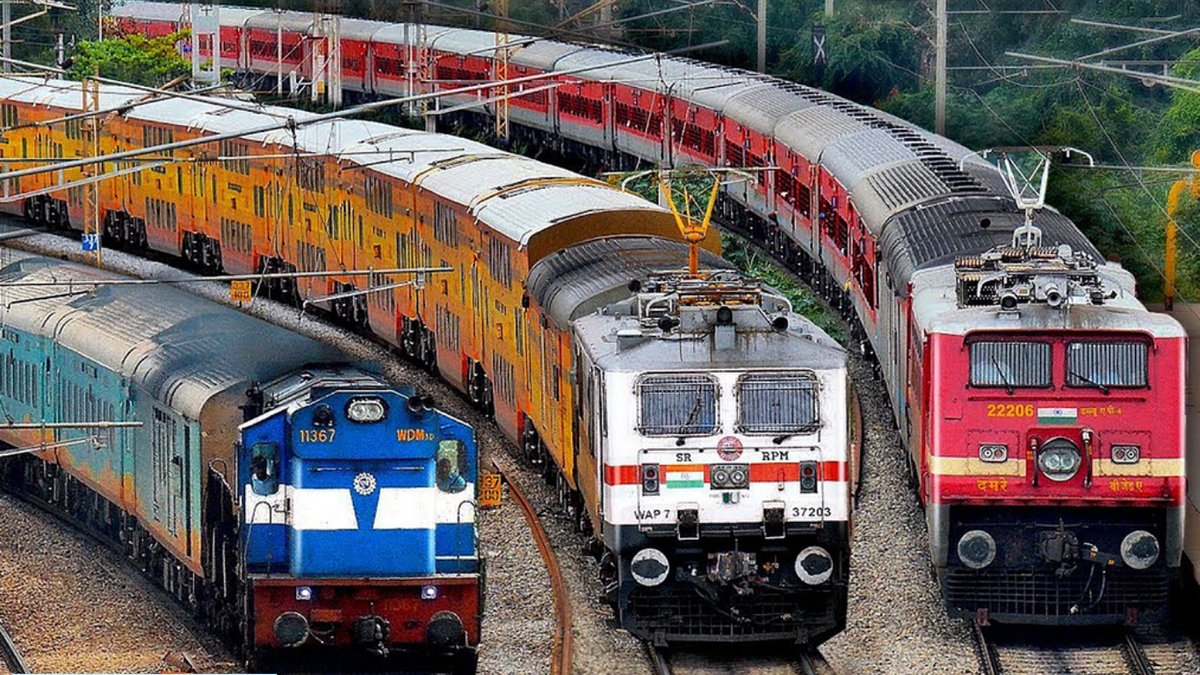
Under the existing RAC arrangement, passengers who do not receive confirmed berths are permitted to board reserved coaches and travel with assured seating accommodation. In many sleeper and air-conditioned coaches, two RAC passengers are accommodated on a single side-lower berth. Although both pay the applicable fare, they must share the available space unless a separate berth becomes available through cancellations or other vacancies.
The arrangement has frequently attracted criticism, particularly during overnight journeys when passengers are required to share limited sleeping space for several hours. Difficulties can also arise when unrelated male and female passengers are assigned the same berth, leaving travelling ticket examiners with the challenge of finding alternative accommodation on already crowded trains.
According to media reports, a parliamentary panel has questioned the fairness of collecting full fares from passengers who receive only shared accommodation. The committee has recommended reviewing the existing system to ensure that railway passengers are not financially disadvantaged when they are unable to access the facilities associated with their ticket category.
Railway officials are reportedly considering whether the RAC mechanism remains necessary in an era of computerised reservations and improved systems for monitoring cancellations and vacant berths. The facility was originally designed to accommodate additional passengers while allowing them to receive confirmed berths if vacancies emerged before or during their journeys.
However, discontinuing RAC could also create fresh challenges. The present system allows passengers to undertake essential journeys even when confirmed sleeping berths are unavailable. Removing this option without introducing an alternative arrangement could reduce the number of passengers permitted to travel on heavily booked trains, particularly during festivals and peak holiday seasons.
The proposal has therefore raised questions about how Indian Railways would manage partially confirmed reservations, last-minute cancellations and passengers who need to travel despite limited berth availability.
Importantly, Indian Railways has not announced a final decision to abolish RAC tickets, and no implementation date has been specified. The existing reservation rules remain applicable while the proposal is under consideration.
If approved, the reform could represent a significant change in India's railway reservation system, potentially addressing a longstanding grievance among passengers who pay full fares but are unable to secure individual sleeping berths.
For millions of railway travellers, the central question will be whether the proposed changes can deliver greater comfort and fairness without reducing access to affordable train travel.
More from Beyond Dakshin

Sai Pallavi cuts her hair for ‘OM’, takes inspiration from IPS officer Merin Joseph; mother reacts in shock

Mahesh Babu–Rajamouli’s ‘Varanasi’ eyes record ₹290 crore Telugu States deal, set to surpass ‘RRR’

Allu Arjun lines up mythological pan-India spectacle with Boyapati Sreenu after ‘Raaka’!
More from Business

Shree Cement unveils ₹7,000 crore investment plans for three cement plants in Andhra Pradesh
Aster DM Quality Care invests ₹500 crore in 300-bed multispecialty hospital at Hyderabad’s Kondapur