Owaisi accuses Maharashtra govt. of using UCC to target Muslims, calls proposed framework a 'Hindu Civil Code'
AIMIM president and Hyderabad MP Asaduddin Owaisi has strongly criticised the Maharashtra government's proposed move to implement a Uniform Civil Code (UCC), alleging that the exercise is aimed at targeting Muslim personal laws and undermining the religious identity of minority communities
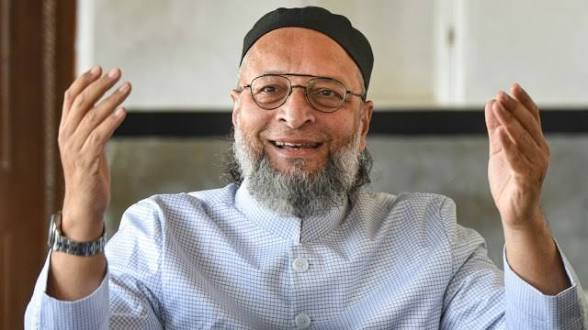
Addressing a press conference, Owaisi said the Maharashtra government had invited public suggestions on implementing the UCC and had prepared a questionnaire to seek opinions. However, he questioned the manner in which the questions had been framed, arguing that they indicated the government's intention to proceed with the implementation of the proposed code.
Owaisi alleged that the questionnaire contained leading questions concerning practices such as polygamy and extra-judicial divorce but did not include any questions on the Hindu Undivided Family (HUF) system. He argued that the omission raised questions about whether the proposed legislation would genuinely establish uniformity across communities.
Drawing comparisons with initiatives undertaken by BJP governments in Gujarat, Uttarakhand, Assam and Madhya Pradesh, Owaisi alleged that the proposed UCC was not a uniform framework applicable equally to all communities but a "Hindu Civil Code" being imposed on non-Hindu communities.
He also questioned the questionnaire's reliance on yes-or-no questions, arguing that such a format did not provide adequate scope for meaningful public consultation on a complex issue involving personal laws, religious practices and constitutional rights.
The AIMIM chief also referred to the reported resignation of retired Bombay High Court judge R.C. Chavan, questioning the composition and inclusiveness of the process initiated by the Maharashtra government. Owaisi said Chavan had reportedly raised concerns about the absence of representation from minority communities.
He argued that the government was discussing the implementation of a Uniform Civil Code without first clearly explaining what the proposed uniform framework would entail and how it would address the diverse personal laws followed by different religious communities.
Owaisi further alleged that the proposed exercise was primarily intended to restrict Muslims from practising their religious traditions. Referring to Islamic marriage practices, he maintained that marriage under Islam is a contract and questioned the applicability of provisions modelled on the Hindu Marriage Act to Muslim personal law.
He accused the BJP-led government of attempting to impose a particular legal framework on minority communities under the banner of uniformity, arguing that the exercise could affect their religious freedoms and distinct identities.
The AIMIM president maintained that the proposed UCC should not become an instrument for targeting any particular religious community or interfering with constitutionally protected freedoms.
His remarks have added to the political debate surrounding the Uniform Civil Code in Maharashtra, where the government's decision to seek public feedback has raised questions about the scope, content and implications of the proposed legislation.
The Maharashtra government's questionnaire and consultation process are central to the debate. Owaisi's allegations represent the AIMIM's political position on the proposed exercise; the final provisions of any legislation would determine its actual impact on the personal laws of different communities.
More from Beyond Dakshin
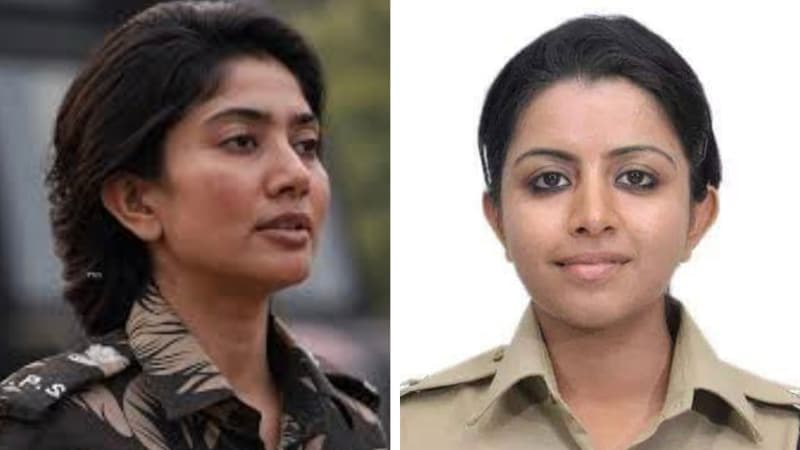
Sai Pallavi cuts her hair for ‘OM’, takes inspiration from IPS officer Merin Joseph; mother reacts in shock

Mahesh Babu–Rajamouli’s ‘Varanasi’ eyes record ₹290 crore Telugu States deal, set to surpass ‘RRR’
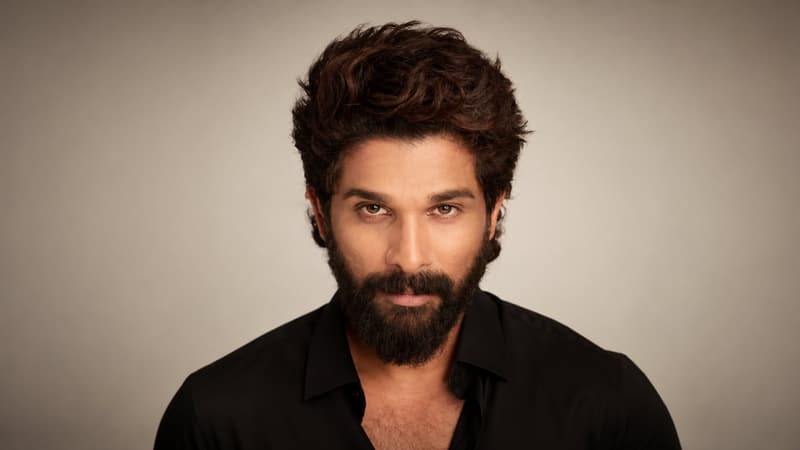
Allu Arjun lines up mythological pan-India spectacle with Boyapati Sreenu after ‘Raaka’!
More from Politics
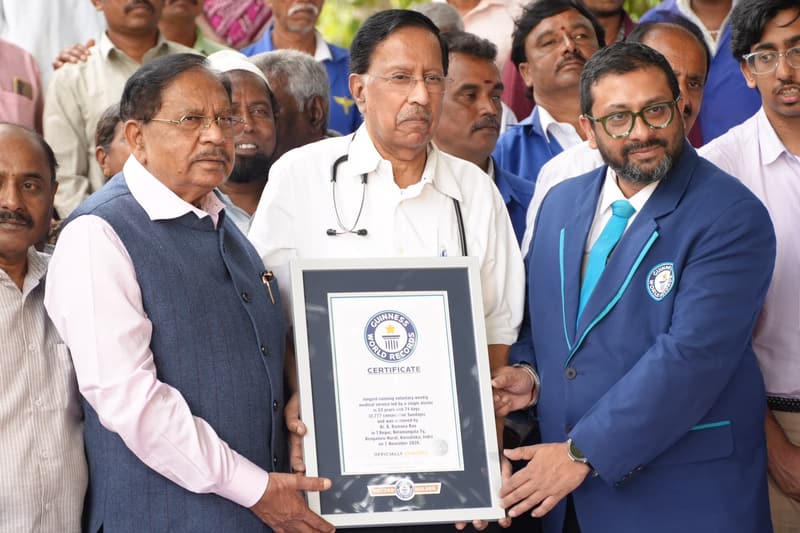
Padma Shri Dr B. Raman Rao enters Guinness World Records for treating over 33 lakh patients over 2777 Sundays
Rahul Gandhi calls for rethinking democracy and economic models amid growing influence of tech giants