Pricol Group explores how engineering precision can preserve and scale traditional culinary flavours
An interesting intersection of manufacturing expertise and culinary heritage is emerging through Pricol Group’s food and hospitality venture, Pricol Gourmet. The initiative reflects an effort to apply the discipline, consistency and process-oriented thinking associated with the automotive industry to the business of food, particularly the preparation and scaling of traditional regional cuisines.
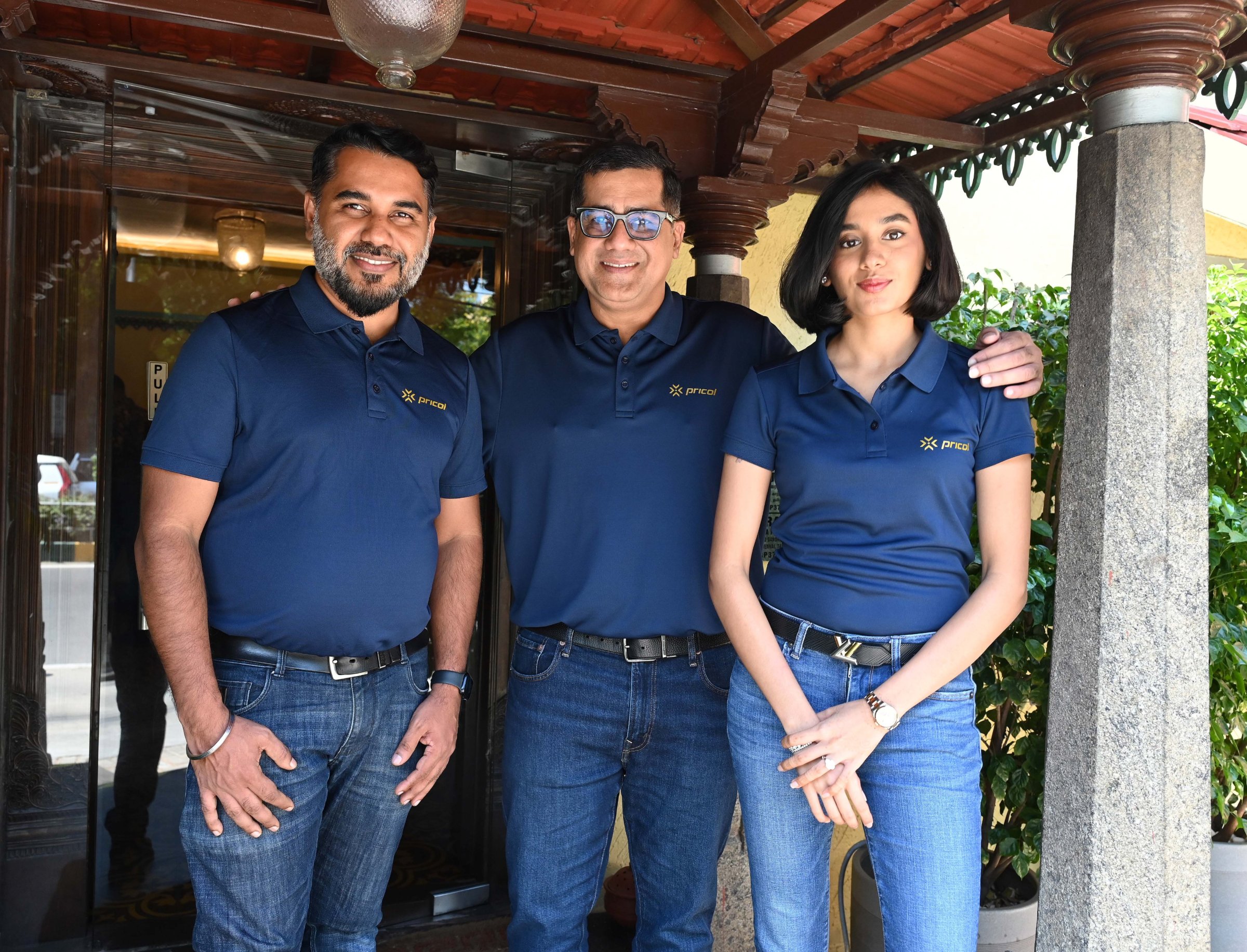
Led by Vikram Mohan, Chairman and Managing Director of Pricol Group, the venture addresses a fundamental challenge in the food industry: how can a traditional dish retain its distinctive taste, texture and character when it is prepared for a much larger customer base?
In automotive manufacturing, precision is central to the production process. Components must meet exact specifications, with consistency maintained across thousands or even millions of units. Translating that philosophy into the kitchen, however, is considerably more complex. Food is influenced by ingredients, regional variations, cooking techniques, temperature, timing and the experience of the person preparing it. Replicating a traditional recipe without losing its identity requires a careful balance between standardisation and culinary expertise.
Pricol Gourmet’s approach seeks to bridge this gap by bringing greater structure to the preparation of heritage food. The objective is not simply to reproduce recipes on a larger scale, but to retain the nuances that make traditional cuisines distinctive while building processes that can deliver consistency across operations.
The venture also reflects Vikram Mohan’s interest in food beyond its commercial potential. His association with the hospitality business brings together culinary exploration and an entrepreneurial approach to building scalable food concepts. Binu Thankachan, CEO of Pricol Gourmet, is also part of the leadership team driving this endeavour. Manasa, Vikram Mohan’s daughter, was present alongside them during the initiative.
Pricol’s broader journey makes this diversification particularly noteworthy. Having established its reputation in automotive components and engineering, the group has expanded into several other sectors, including hospitality and lifestyle experiences. Its move into gourmet food demonstrates how capabilities developed in one industry can inspire new business models in another.
The larger opportunity lies in taking regional and heritage culinary experiences to a wider audience without reducing them to generic, mass-produced offerings. For a country with extraordinary food diversity, combining traditional knowledge with modern process management could help preserve distinctive flavours while making them more accessible.
Pricol Gourmet’s endeavour therefore represents more than an expansion into hospitality. It is an attempt to bring together two seemingly different worlds — the exactness of engineering and the creativity of cooking — to explore a more consistent and scalable future for traditional cuisine.
More from Tamil Nadu

Lakhs of devotees throng Tiruchendur for grand Soorasamharam festival; 4100 Police deployed

Tamil Nadu Governor Arlekar extends Kandha Sashti greetings, highlights spiritual significance of Soorasamharam

Annamalai slams Vijay Govt. over Thiruparankundram Deepam row; demands implementation of HC orders
More from Business

Shree Cement unveils ₹7,000 crore investment plans for three cement plants in Andhra Pradesh
Aster DM Quality Care invests ₹500 crore in 300-bed multispecialty hospital at Hyderabad’s Kondapur